
11 Northern Habits That Annoy Floridians

Floridians and snowbirds get along fine, right up until the left lane.
These are the habits transplants bring south that leave Floridians shaking their heads.
Complaining It’s Too Hot
Floridians expect a little heat talk. But newcomers take it to another level by August.
A transplant from Buffalo steps outside in July, gasps at the humidity, and announces that nobody could live like this.
Floridians lived through last July, and the one before that.
Welcome to summer.
Locals carry a water bottle, park in the shade, and save the errands for the cooler morning hours.
Treating Rain Like a Crisis
Floridians barely look up when the afternoon storm arrives, but transplants treat it like the end of days.
Around three o’clock most summer days, it pours for about twenty minutes, then stops.
A newcomer cancels dinner plans, and a Floridian grabs an umbrella.
It always passes.
The roads dry fast, and the same thing happens again the next afternoon.
Camping in the Left Lane
Floridians spot the northern habit first on the interstate, where a car sits in the left lane going nine under.
Drivers from up north treat the left lane like a scenic cruise, and the traffic behind them stacks up for a mile.
A northern driver taps the brakes for no reason, and everyone behind has to slow down.
On I-95 and I-4, the left lane means pass and get over.
Florida lawmakers tried to make left-lane camping its own ticket, but Gov. Ron DeSantis vetoed the bill, so the fast lane stays a free-for-all.
Getting Close to Gators
Floridians keep a respectful distance from wildlife, a lesson transplants sometimes learn the hard way.
A visitor from up north spots an alligator by a retention pond and wants a closer photo, maybe a snack to toss.
Feeding a wild alligator in Florida is against the law because it teaches the animal to link people with food.
Manatees and seagulls draw the same crowd of newcomers, and neither one needs a handout from a stranger.
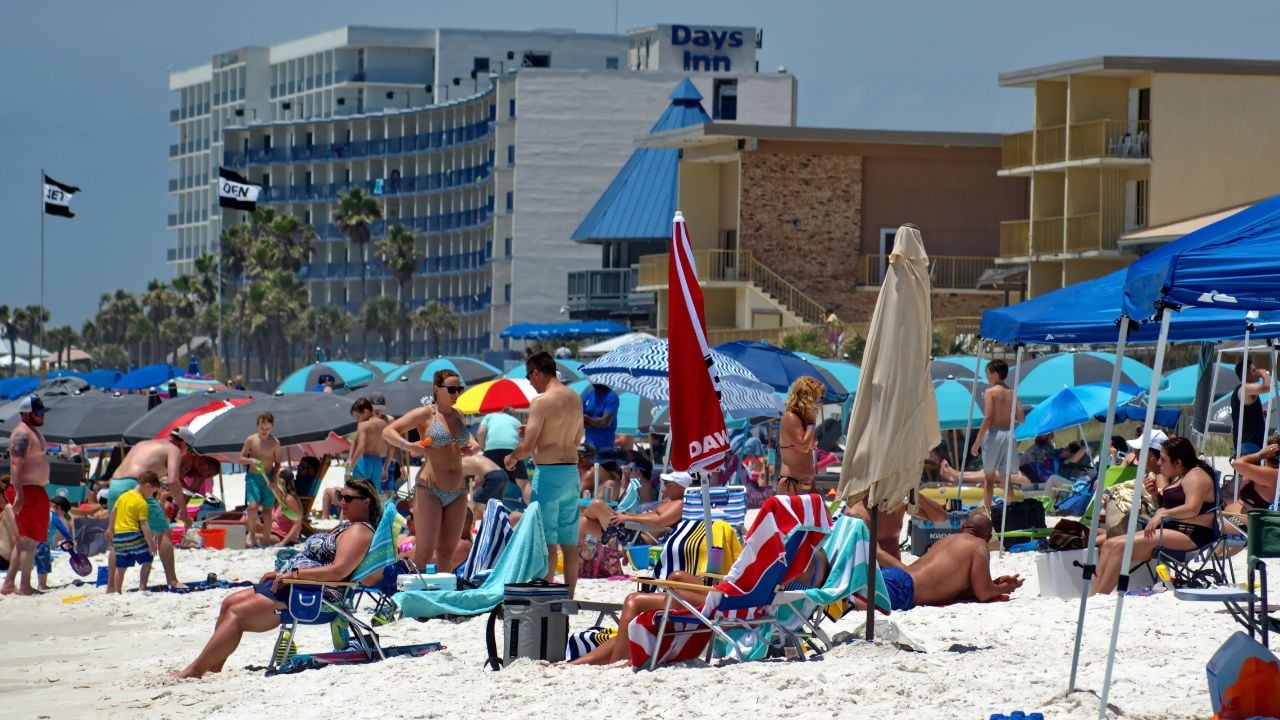
Hitting the Beach at Noon
Floridians hit the sand early, which is exactly when transplants are still asleep.
Newcomers roll up to the beach at noon, right as the sun peaks and the parking lots fill.
They haul a cooler and two umbrellas across scorching sand at the hottest hour of the day.
By then a Floridian has already swum, dried off, and headed home for lunch.
Locals know the good hours run early morning or the hour before sunset, when the crowd thins and the heat backs off.
Psst! How much do you know about snowbirds and the Florida they flock to? Take our quiz and see how many you can get right.
Quiz
Snowbird Season Trivia
Answer these on snowbirds, oranges, and the Florida they winter in. We bet you can’t get them all right. Prove us wrong?
About how many temporary winter residents does Florida receive at the peak of snowbird season?
Fumbling the SunPass Lanes
Floridians breeze through the toll plaza while transplants panic at the lane markings.
A newcomer pulls into a SunPass-only lane with no transponder, stops to hunt for a coin basket, and holds up the whole line.
SunPass sticks to your windshield and charges the toll as you drive, no stopping required.
Skip it and the state mails you a Toll-by-Plate invoice that runs 25% more, so locals just get the sticker.
Clearing the Water Aisle
Floridians watch transplants discover hurricane season and lose their heads at the first warning.
The moment a storm shows up on the forecast, a newcomer sprints to Publix and grabs forty cases of bottled water.
Floridians keep a small stash year-round and refill it when a storm looks close.
Panic-buying clears the shelves for everyone, which is why a native shops before the cone even points this way.
Grabbing Every Early-Bird Table
Floridians make peace with the early-bird crowd, even when transplants claim every four o'clock table.
Snowbirds pack the local diner at four-thirty for the early-bird special, hours before a Floridian thinks about dinner.
Come season, the wait for a five o'clock table stretches out the door.
The line grows.
Many Floridians push their reservation to eight, when the dining room finally clears out.
Walking Three Across
Floridians hit the same crowds at Publix that transplants create by strolling three across.
In season, a group of newcomers spreads over the whole aisle and drifts along at half speed.
A Floridian on a quick grocery run gets stuck behind them with a cart of melting ice cream.
Nobody can pass.
Locals learn to time their shopping for a weekday morning, before the winter crowd wakes up.
Honking at Everything
Floridians drive at an easy pace, which sends transplants straight to the horn.
A driver fresh from New Jersey leans on the horn the second a light turns green, city habits and all.
Down here, a honk usually means hello or watch out, not hurry up.
Lay on it in a beach town and you mostly rattle a retiree walking a poodle.
The noise carries.
A Floridian at a four-way stop waves you through, and the transplant behind is still laying on the horn.
Brand-New Florida Gear
Floridians can pick out a brand-new transplant by the head-to-toe Florida gear.
A newcomer shows up in a fresh Sunshine State t-shirt, a flamingo hat, and sunglasses with the price tag still swinging.
Then come the questions about Disney and the nearest beach, asked of anyone within earshot.
A dead giveaway.
One faded gator shirt says it all, and its owner hasn't set foot in a theme park since a cousin visited from up north.
Give a transplant a summer or two, and that flamingo hat ends up in the back of their closet.
14 Habits Florida Locals Pick Back Up After Snowbirds Leave

The day snowbirds head back north, Florida locals reclaim their whole routine.
From dawn tee times to open Publix aisles, these are the habits that return the second the crowd thins out.
14 Habits Florida Locals Pick Back Up After Snowbirds Leave
11 Unwritten Florida Rules Tourists Learn the Hard Way
Florida runs on a set of rules nobody prints on a sign.
Tourists find them out the hard way, from gator ponds to toll lanes to the afternoon storm.
