

10 Things Getting More Expensive for North Carolina Retirees in 2026

North Carolina home insurance rates went up another 7.5% on June 1.
It was the second increase in two years.
The first one hit in 2025, and together they add about 15% for many homeowners.
These are the things getting more expensive for North Carolina retirees in 2026.
Note: This is general information, not financial or tax advice. Tax rules and dollar amounts are subject to change, so confirm the current details with a professional.
1. Your Property Tax Bill
North Carolina counties reset home values on a multi-year cycle, and about a dozen of them reappraised property for 2026.
Buncombe County, home to Asheville, is one of them.
The county delayed its reappraisal a year after Tropical Storm Helene, so the new numbers all arrived at once.
A sampling of Buncombe homes showed values up an average of 169% since the last look, with some neighborhoods more than tripling.
A higher value doesn’t automatically mean a higher bill because commissioners can lower the tax rate to offset it.
That’s the catch.
When your assessment jumps far more than the county average, your share of the total goes up even if the rate drops.
Homeowners who think their new value is too high can appeal it before the county locks in the bill.
2. Insuring Your Home
Homeowners insurance in North Carolina got more expensive on June 1, 2026.
Again.
Rates rose another 7.5%, the second half of a settlement the state insurance commissioner reached with the industry.
The first 7.5% hit in 2025, so the two together run about 15% statewide.
Homeowners near the Outer Banks can see steeper jumps, up to the cap the settlement set for their coastal territory.
For a retiree on a fixed income, that shows up as a bigger escrow payment or a fatter renewal notice.
Shopping your policy at renewal can help, though carriers across the state are filing for more.
3. Your Electric Bill
Duke Energy powers most North Carolina homes, from Charlotte’s suburbs to the Blue Ridge, and it wants a lot more money.
The utility is asking regulators to raise rates about 18% over two years.
For a typical Duke Energy Carolinas household, that pencils out to roughly $24 more a month by 2028.
The North Carolina Utilities Commission hasn’t ruled yet, and a decision could come by fall.
Duke says the money pays for grid upgrades and new power plants as the state keeps growing.
If it signs off, the increase phases in rather than landing all at once.
Cold comfort.
4. Paying for Prescriptions
Prescriptions work a little differently for North Carolina retirees in 2026, and not entirely in their favor.
Medicare’s yearly out-of-pocket cap on Part D drugs rose to $2,100 this year, up from $2,000.
Reach it, and you pay nothing more for covered drugs the rest of the year.
That part helps.
The catch is the ceiling itself sits $100 higher before that protection ever kicks in.
5. Medicare Part B
The Medicare Part B premium comes straight out of most North Carolina retirees’ Social Security checks.
This year it’s $202.90 a month, an increase of $17.90 over 2025.
The annual deductible went up too, to $283.
Now run that premium jump across a married couple where both are enrolled.
Both checks, every month.
It’s money gone before the first doctor visit of the year.
Psst! How much do you know about North Carolina’s retirement taxes? Take our quiz and see if you can ace it.
Quiz
NC Retirement Tax IQ
Answer these on North Carolina’s retirement taxes and everyday costs. We bet you can’t get them all right. Prove us wrong?
North Carolina charges a yearly property tax on your car. When do you pay it?
6. Filling Your Cart
Retirees feel it at the checkout, from the Harris Teeter in Raleigh to the Ingles up in the mountains.
The U.S. Department of Agriculture (USDA) expects food-at-home prices to rise about 2.8% in 2026.
That's slower than the spikes of a few years back.
But it stacks on top of prices that never came back down.
No relief there.
Beef and eggs have stayed especially pricey.
7. Your Car Insurance
Car insurance in North Carolina keeps getting more expensive.
A settlement raised auto rates an average of 5% statewide, and 2026 is the first full year drivers pay it.
Insurers had pushed for an average 22.6% before regulators knocked it down.
Small mercy.
Repair and medical costs after a crash keep rising, and insurers pass that along.
North Carolina still runs cheaper than a lot of states, including Louisiana and Florida, but the gap keeps narrowing.
8. Buying Your Next Car
Replacing a car costs North Carolina retirees more this year, and tariffs are a big reason.
Cox Automotive estimates new tariffs add an average of about $5,500 to the cost of an imported vehicle.
Even trucks and cars assembled in the United States carry higher parts costs.
Used vehicle prices are expected to rise in 2026 as well, as shoppers priced out of new lots crowd the used car lots.
Sticker shock, again.
That stings whether you're shopping a dealership off I-40 or a lot down in Wilmington.
9. Your HOA Dues
Many retirees traded a big yard for a condo or a planned community.
Those communities charge monthly homeowners association (HOA) dues, and the dues keep rising.
The national median HOA fee rose to about $135 a month, up from $125 a year earlier.
Boards raise assessments to cover pricier insurance and repairs.
And you can't opt out.
On the Outer Banks and in Triangle golf communities, dues often run far above that national middle.
10. Paying for Senior Care
The cost that worries retirees most is the price of care.
Assisted living in the state runs a median of around $76,000 a year, and a recent survey showed those costs up roughly 10% in a single year.
A private nursing home room runs even higher, well past $100,000 a year.
That's the part families dread.
Labor shortages and inflation keep pushing those figures up, and few expect them to fall.
Long-term care insurance can blunt the blow, but premiums have gotten steep, and fewer companies sell it than a decade ago.
For families near Charlotte or Asheville, a year of memory care can cost as much as a comfortable house once did, which is why so many start planning long before they think they need to.
9 North Carolina Property Tax Breaks Homeowners 65+ Overlook
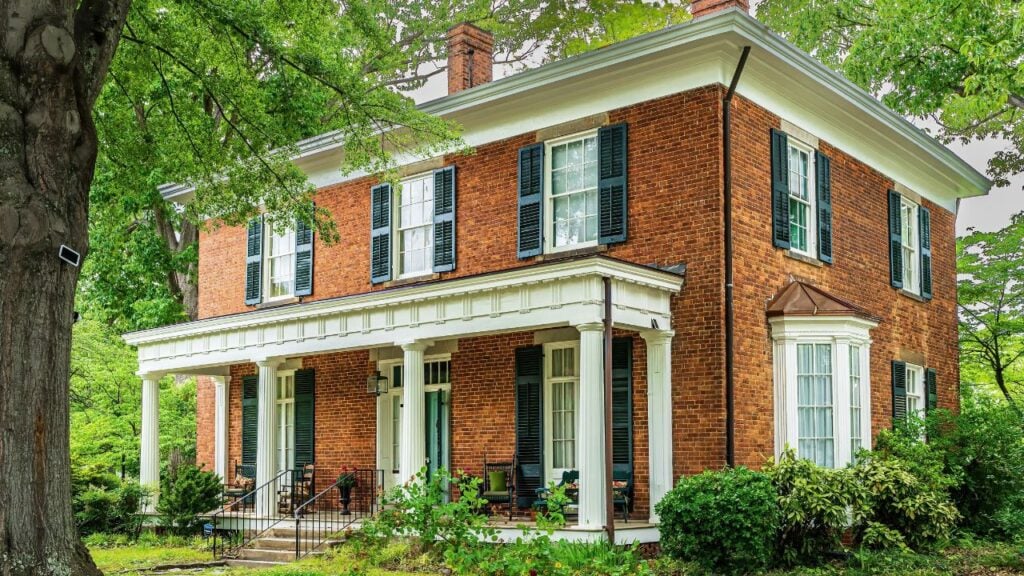
Turning 65 in North Carolina can lower your property tax bill, but only if you file for it.
The paperwork sits in a drawer at the tax office until you ask, and some homeowners leave the break unclaimed for years.
9 North Carolina Property Tax Breaks Homeowners 65+ Overlook
Does North Carolina Tax Social Security? What Retirees Pay in 2026
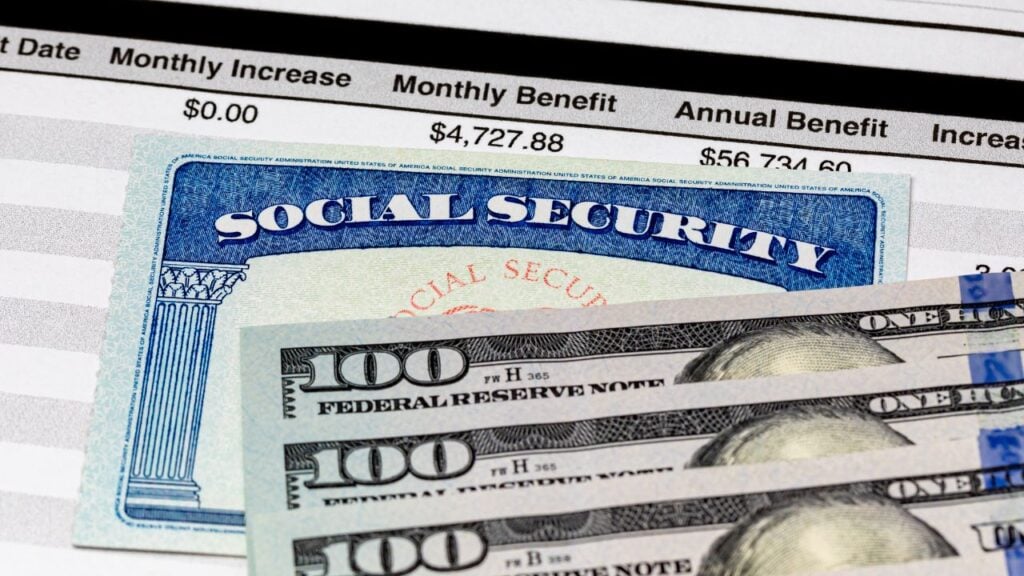
North Carolina leaves your Social Security check alone, every dollar of it.
But the state taxes most of your other retirement income at a flat rate, and that catches a lot of newcomers off guard.
Does North Carolina Tax Social Security? What Retirees Pay in 2026
