
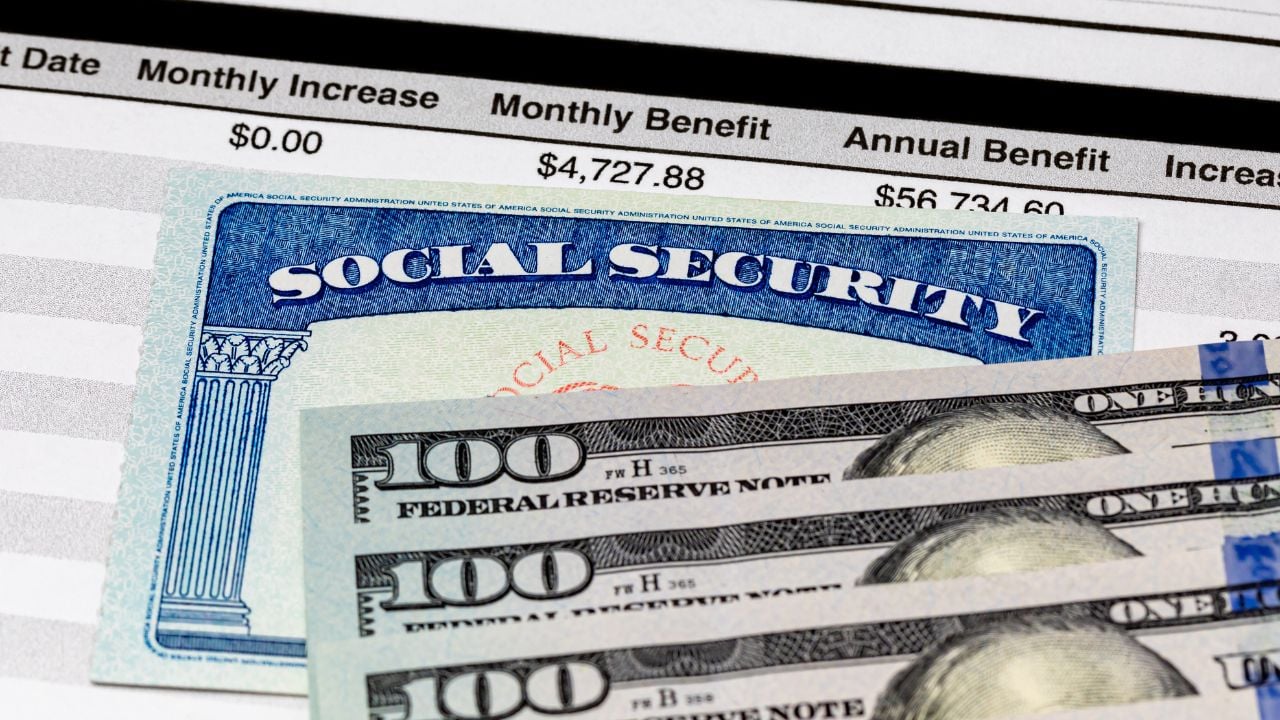
Does North Carolina Tax Social Security? What Retirees Pay in 2026

Does North Carolina tax Social Security? No.
Retire to a porch in Asheville or a cottage on the Outer Banks, and the state leaves your Social Security check alone.
Every dollar of it.
But North Carolina does tax most of your other retirement income, and that flat rate catches a lot of newcomers off guard.
Note: This is general information, not tax advice. Tax rules and dollar amounts are subject to change, so confirm the current details with a professional.
Does North Carolina Tax Social Security?
North Carolina doesn’t tax Social Security benefits, full stop.
You subtract them right off your state return, so North Carolina taxes none of it.
Not a penny.
That holds whether your monthly deposit runs $1,300 or $3,700, and whether you settled in the Blue Ridge or on Bald Head Island.
The exemption doesn’t hinge on your age or how much you saved.
One caveat: The federal government can still tax part of your benefits, based on your total income.
That rule comes from Washington, not Raleigh.
What Retirement Income Does NC Tax?
Almost everything that isn’t Social Security, North Carolina treats as taxable income.
Your 401(k) withdrawals count.
So do traditional IRA distributions, private pensions, and money from a 403(b) or a 457 plan.
Annuity payments land in the same column, and so does the interest from your CDs at First Citizens or a credit union in Durham.
Dividends and capital gains get no special break either.
Sell a batch of stock or a rental house near Wilmington, and North Carolina taxes the gain as ordinary income, right beside your pension check.
Same bucket.
That flat tax on a 401(k) is one of the hidden costs that blindside North Carolina retirees.
What Is the NC Income Tax Rate in 2026?
North Carolina taxes most retirement income at a flat 3.99% in 2026.
Flat means one rate for everyone, whether you draw $20,000 a year or $200,000.
No brackets.
North Carolina scrapped its old tiered system years ago, so a retiree and a young banker in Charlotte pay the same percentage on taxable income.
The number keeps dropping, too.
The rate was 4.50% in 2024 and 4.25% in 2025, and lawmakers set it to fall further in coming years if the state meets its revenue targets.
Run the math on a real budget.
Say you and your spouse pull $50,000 from your accounts and file jointly.
Take the $25,500 standard deduction first, and the 3.99% rate hits the remaining $24,500, so you’d owe about $978 to the state.
That’s the whole state bill on $50,000 of withdrawals.
Are 401(k) and IRA Withdrawals Taxed in NC?
Yes, North Carolina taxes your 401(k) and traditional IRA withdrawals, at any age.
Once you start required minimum distributions (RMDs) in your 70s, the state taxes those as well.
Every dollar from a traditional account comes out taxable, since you never paid North Carolina tax on that money going in.
Roth accounts flip the script.
Qualified withdrawals from a Roth IRA come out free, because that money never enters your taxable income in the first place.
Tax-free.
Say you’re single and pull $40,000 from a traditional IRA for a year in the mountains.
Subtract the $12,750 standard deduction, and the flat rate applies to $27,250, so your state tab runs about $1,087.
A Roth withdrawal of the same size costs you nothing in Raleigh.
Are Pensions Taxed in North Carolina?
Most pensions are taxed in North Carolina, at that same flat rate.
But a large group of retirees pays nothing on their pension, thanks to the Bailey settlement.
Here’s who qualifies.
If you had five or more years of service in a covered government plan as of August 12, 1989, your pension from that plan comes out fully exempt.
Covered plans include the state Teachers’ and State Employees’ Retirement System, the Local Governmental Employees’ Retirement System, the federal Civil Service and FERS systems, and military pensions.
The exemption can pass to a surviving spouse who keeps drawing that pension.
Miss that 1989 cutoff, and the break doesn’t reach you.
Retired military get a separate deal.
Serve at least 20 years or leave on a medical retirement, and North Carolina lets you deduct your military pension no matter when you started.
That reaches many retirees around Fayetteville and Jacksonville.
How Does NC Compare to Other States?
North Carolina lands in the middle of the pack for retirees.
Skipping the tax on Social Security is common now, since many states do the same.
The flat 3.99% on everything else is where North Carolina parts ways with its neighbors.
Cross into Tennessee or drive down to Florida, and you’ll find no state income tax at all.
South Carolina and Georgia take a friendlier line on pensions and 401(k) money, handing older filers large deductions North Carolina doesn’t match.
Virginia carves out an age-based deduction of its own for older residents.
So a couple weighing the Smokies from the North Carolina side against the Tennessee side faces a clear gap on paper.
It adds up.
Taxes are only one line among the bills eating into North Carolina retirement checks in 2026.
Does NC Have Estate or Inheritance Tax?
North Carolina charges no estate tax and no inheritance tax.
Neither one.
The home you leave your kids in Greensboro or the family place on the Outer Banks passes without a state death tax.
North Carolina repealed its estate tax over a decade ago, and it hasn’t brought one back.
The federal estate tax still exists, but it only touches estates worth many millions of dollars.
For the vast majority of North Carolina families, that federal bill never comes due.
So the state that skips the tax on your Social Security also skips the tax on what you pass down.
Frequently Asked Questions
Does North Carolina tax Social Security benefits?
No. North Carolina fully exempts Social Security benefits from state income tax, though the federal government may tax part of them based on your total income.
What retirement income does North Carolina tax?
The state taxes 401(k) and IRA withdrawals, private pensions, and most other retirement income at its flat rate, which is 3.99% for 2026.
Who qualifies for the Bailey exemption in North Carolina?
Retirees with at least five years of creditable service in a covered government or military plan as of August 12, 1989, pay no state tax on that pension.
Does North Carolina have an estate or inheritance tax?
No. North Carolina has neither an estate tax nor an inheritance tax.
One planning note: because North Carolina’s flat rate keeps stepping down, spreading big withdrawals across several years can shave a little off the state’s cut each time.
A retiree in Boone who pulls from the 401(k) slowly pays that shrinking rate, while the neighbor who cashes out in one year pays today’s.
7 Hidden Costs That Blindside North Carolina Retirees

The mountains are free. The tax on your 401(k) isn’t.
North Carolina keeps landing on best-places-to-retire lists, and those lists keep leaving out the fine print.
7 Hidden Costs That Blindside North Carolina Retirees
7 Bills Eating Into North Carolina Retirement Checks in 2026

Which bill grew fastest for North Carolina retirees this year? It’s a trick question.
Seven of them rose at once, and a few did it without a single headline.
7 Bills Eating Into North Carolina Retirement Checks in 2026
