
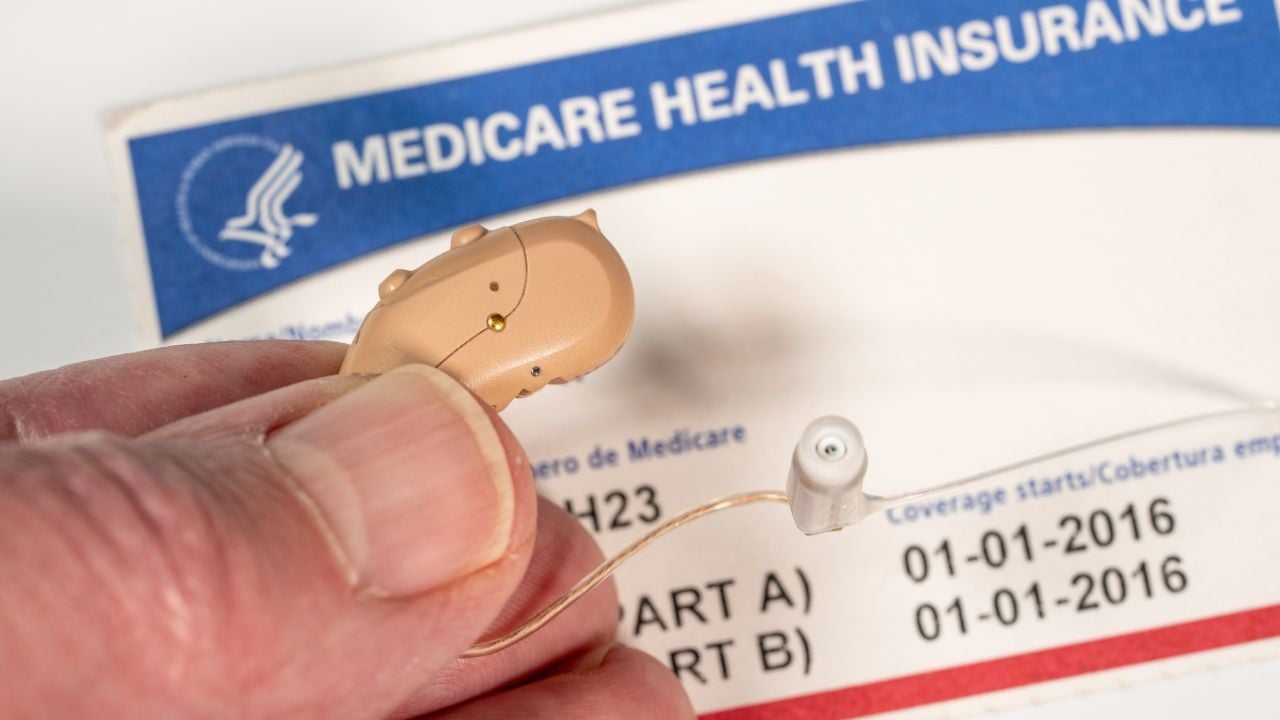
9 Medicare Costs Georgia Retirees Aren’t Ready For in 2026

A retiree in Marietta opens her mailbox and finds a letter from Social Security.
Her Medicare premium is higher, and a house she sold two years back is the reason.
The bills rarely come from where you expect.
These are the Medicare costs Georgia retirees aren’t ready for this year.
Note: This is general information, not medical or financial advice. Medicare rules and dollar amounts are subject to change.
1. Your Part B Premium Rose
Medicare Part B carries a monthly premium, and in 2026 it costs more.
The standard premium is now $202.90 a month, up almost $18 from last year.
That’s more than $2,400 a year, before you fill a single prescription.
Ouch.
The annual Part B deductible rose too, to $283, so you cover that much yourself before Medicare pays its share.
Most retirees have the premium pulled straight from their Social Security check, so your deposit is smaller before it ever reaches your bank.
2. Tripping the IRMAA Surcharge
Medicare adds a surcharge when your income is high, and it surprises many retirees.
This surcharge is the income-related monthly adjustment amount (IRMAA), and it falls on higher earners.
Cross $109,000 as a single filer or $218,000 as a couple, and your Part B premium rises from $202.90 to at least $284.10 a month.
The highest earners pay $689.90.
Here’s the trap: Medicare looks at your tax return from two years back, so your 2026 bill reflects your 2024 income.
Sell a house, take a big withdrawal, or convert an individual retirement account in 2024, and you still owe the surcharge now, long after the money is spent.
One strong year on paper can cost you for a full year of premiums.
3. Your Hospital Deductible Resets
Medicare Part A covers hospital stays, but it charges a deductible that can hit you more than once a year.
The 2026 Part A inpatient hospital deductible is $1,736.
Here’s what surprises people: That’s not a yearly deductible.
It applies per benefit period, and a fresh benefit period starts once you’ve been out of the hospital for 60 days.
Land in the hospital in March and again in November, and you can owe that $1,736 twice.
That’s twice in one year.
Unlike the deductibles you knew from your working years, this deductible has no annual ceiling.
4. When Your Hospital Stay Runs Long
A long hospital stay is where Medicare Part A stops looking generous.
The deductible covers your first 60 days, and then the daily charges begin.
For days 61 through 90, you owe $434 a day, according to the Centers for Medicare & Medicaid Services (CMS).
Past day 90, you dip into lifetime reserve days, which run $868 a day and never refill once you use them.
Those add up fast.
A three-week overrun past day 60 can tack on thousands, on top of the deductible you already paid.
This is the gap a Medigap policy is built to plug, and that policy carries its own price.
5. Skilled Nursing After Day 20
Skilled nursing care under Medicare comes with a clock most families don’t see.
Medicare covers your first 20 days in full after a qualifying hospital stay.
Then you start paying.
From day 21 through day 100, you owe $217 a day in 2026, an amount CMS sets each year.
That’s more than $17,000 if you stay the full stretch.
After day 100, Medicare pays nothing, and you owe the whole bill.
Many retirees assume Medicare covers long-term nursing care.
It doesn’t.
Psst! How much do you know about Medicare’s history? Take our quiz and see if you can ace it.
Quiz
Medicare History Pop Quiz
Answer these questions on Medicare’s history and quirks, and see how many you can ace.
Which former U.S. president received the very first Medicare card in 1965?
6. Your $2,100 Drug Ceiling
Medicare Part D changed in your favor, but it still leaves a real bill for your prescriptions.
Starting in 2025, Part D put a hard cap on what you pay out of pocket for covered drugs each year.
In 2026, that cap is $2,100.
Hit it, and your plan covers the full cost of covered drugs for the rest of the year.
That helps anyone on pricey medications.
But read the number again.
You can still spend $2,100 before the ceiling kicks in, on top of your monthly Part D premium and its own deductible.
7. Penalties That Never Go Away
Sign up for Part B late, and the penalty never goes away.
Skip Part B when you're first eligible without other qualifying coverage, and you owe a penalty of 10% for each full year you waited.
That extra charge sticks to your premium for as long as you have Part B.
Wait three years, and you pay 30% more every month, for life.
On a $202.90 premium, that's about $60 extra a month, or more than $700 a year.
It never stops.
Part D carries its own late penalty too, tied to how many months you went without drug coverage.
8. Teeth, Eyes, and Ears
Original Medicare leaves out three services retirees count on: Dental, vision, and hearing care.
Routine cleanings, dentures, eyeglasses, and hearing aids all fall outside Parts A and B.
A single hearing aid can run into the thousands, and a set of dentures does too.
That's all out of pocket.
Many Medicare Advantage plans fold in some dental, vision, and hearing coverage, which is one reason retirees choose them.
But that coverage is often capped at a few hundred dollars a year.
Read the limits before you count on them.
9. Medigap Pricing in Georgia
A Medigap policy fills Original Medicare's gaps, and Georgia gives you fewer breaks on the price than some states do.
Medigap, also called Medicare Supplement, pays the deductibles and coinsurance that Original Medicare leaves on your tab.
Your one guaranteed window to buy any plan at the best rate is the six months after you turn 65 and enroll in Part B.
Miss it, and an insurer in Georgia can run medical underwriting, raise your rate, or turn you down for a health condition.
A handful of states hand you a yearly birthday rule window to switch plans without health questions.
Georgia isn't one of them.
So the healthy time to lock in a Medigap plan is the day you qualify, not the day you finally need it.
If the choices overwhelm you, GeorgiaCares offers free Medicare counseling through the state's trained volunteers.
9 Things a Georgia Landlord Can Legally Do That Tenants Never See Coming
Your lease may allow more than you think, and a landlord can act on rules most renters never read.
From entry notices to fees buried in the fine print, a few of these catch tenants completely off guard.
9 Things a Georgia Landlord Can Legally Do That Tenants Never See Coming
9 Kroger Traps Georgians Fall Into Every Week
You fill your cart at Kroger every week, and a few store habits cost Georgians more than they notice.
The traps hide in the aisles you walk fastest, and most shoppers fall for them on autopilot.
