
8 Things California Fast Food Workers Won’t Tell You

Ask anyone who’s worked with customers, and they’ll tell you that they know behind-the-scenes things that you’d never guess are true.
These are the things California fast food workers don’t offer up at the drive-thru window.
1. Why You Get Waved Forward
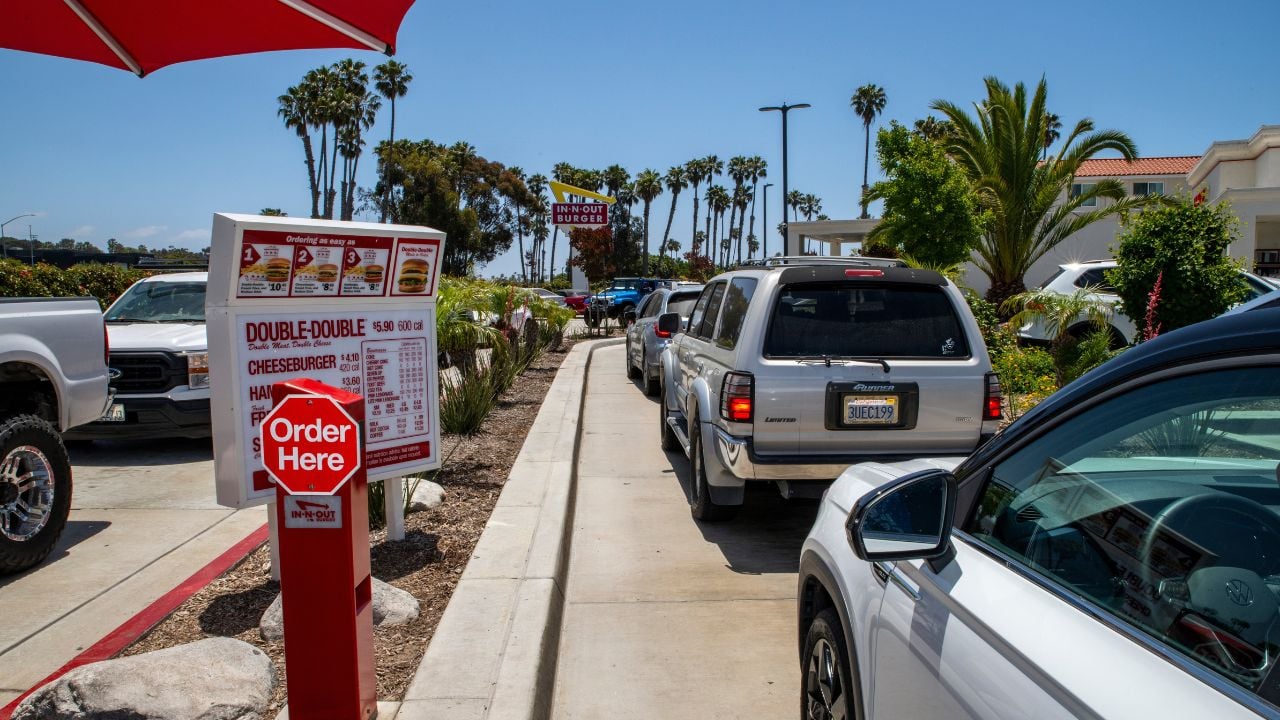
A worker waving you into an empty parking spot at a California drive-thru usually isn’t stalling for your food.
They’re stopping a clock.
Corporate systems track average time from the speaker box to the window.
A slow number can cost a manager a bad report.
So, the worker waves a big order forward while smaller orders keep moving behind it.
The timer only counts what happens in the lane, not what happens in a parking spot with a cold drink.
2. There’s a Clock on Your Fries
Fry stations at California McDonald’s locations run on the same rule as every other state’s.
Fries only get a short window before they’re supposed to land in the trash, not your bag.
McDonald’s fry procedures keep that hold time short, though workers on Reddit describe it stretching longer depending on who’s running the fry station that shift.
Ask for fries with no salt, and a worker can’t scoop from a batch that’s already sitting under the heat lamp.
The order forces a fresh drop.
Fresh, guaranteed.
Salt them yourself at the counter, and you likely just beat the clock.
3. A Voice, Not a Person
Order at a California Taco Bell drive-thru these days, and the voice on the other end might not belong to anyone at all.
Software runs it.
Taco Bell tested its voice-ordering artificial intelligence (AI) at dozens of California locations before expanding nationwide in 2024.
By last August, the system glitched badly enough that a customer’s prank order of 18,000 cups of water went viral.
Taco Bell pulled back, saying it would be pickier about which drive-thrus keep the AI and which go back to a human voice.
The rollout still reaches close to 900 restaurants nationwide, just with more caution behind it now.
Workers still cook and bag the order.
They just don’t have to repeat your order back over the static anymore.
Some workers see it as one less annoying part of a shift.
Others see a job function disappearing, one drive-thru speaker at a time.
Psst! How much do you know about the fast food chains California invented? Take our quiz and see if you can ace it.
Quiz
California Fast Food IQ
Answer these questions on the chains California invented. We bet you can’t get them all right. Prove us wrong?
Which California burger chain built the first drive-thru with a two-way speaker box, letting customers order straight from the car?
4. There's a Safety Plan Now
Every fast food counter in California now operates under a written safety plan most customers never see.
State law required it.
Since July 2024, California employers have had to adopt a written violence prevention plan, train staff on it, and log every threatening incident that happens on shift.
That covers a customer screaming over a wrong order and a fight breaking out in the parking lot.
Workers train on what to do before trouble starts, not after.
Most customers order lunch with no idea the training even exists.
5. A New Rule for the Grill Line
The grill line behind a California counter runs hot enough to trigger its own state rule now.
Once an indoor kitchen hits 82 degrees with workers present, California's indoor heat rule kicks in, requiring cold water on hand and a cool-down space under 82 degrees where a worker can step away.
Fryers, grills, and a packed lunch rush push kitchen temperatures past that mark on many summer afternoons.
A cook who needs a break can take a break without asking twice.
Not a favor.
The rule took effect in July 2024, and workers train on it like any other safety policy.
6. Two Weeks' Notice, by Law
A fast food worker in San Francisco doesn't get a shift schedule the night before, at least not legally.
City law requires more warning than that.
San Francisco's Formula Retail Employee Rights Ordinance makes chain restaurants post schedules two weeks ahead.
It also pays workers extra when a shift changes on short notice.
Berkeley and Emeryville run similar rules for their own chain restaurants.
A manager can't call someone in on a whim and expect them to drop everything.
Not without paying for it.
7. Soda Fountain's Hidden Problem
That self-serve soda machine at a California drive-thru looks harmless enough.
Researchers at Loma Linda University tested fast food soda fountains across the Eastern Coachella Valley and found coliform bacteria in 41% of the samples, with genetic traces of pathogens like salmonella turning up in some machines.
That's not a rare fluke.
The plastic tubing inside a soda machine builds up a slick coating called biofilm.
That's exactly the kind of buildup a quick daily wipe-down doesn't reach.
A deep clean takes the whole machine apart.
Workers say that only happens on a set schedule, not every shift.
8. Tip Screen Is Nice But Not Necessary
That tip screen flipping around to request a 20% tip at a California counter catches many customers off guard.
Fast food workers aren't tipped employees under California law.
They already earn the full $20 wage floor, tip or no tip, unlike a server in a state that pays a lower base wage and counts tips toward it.
Workers call the sudden prompts tip creep.
Many admit the screen puts customers on the spot without much reason.
Awkward, not owed.
A cashier ringing up your order at the counter isn't expecting that tip the way a waiter would.
9 Habits Californians Can't Hide No Matter Where They Move
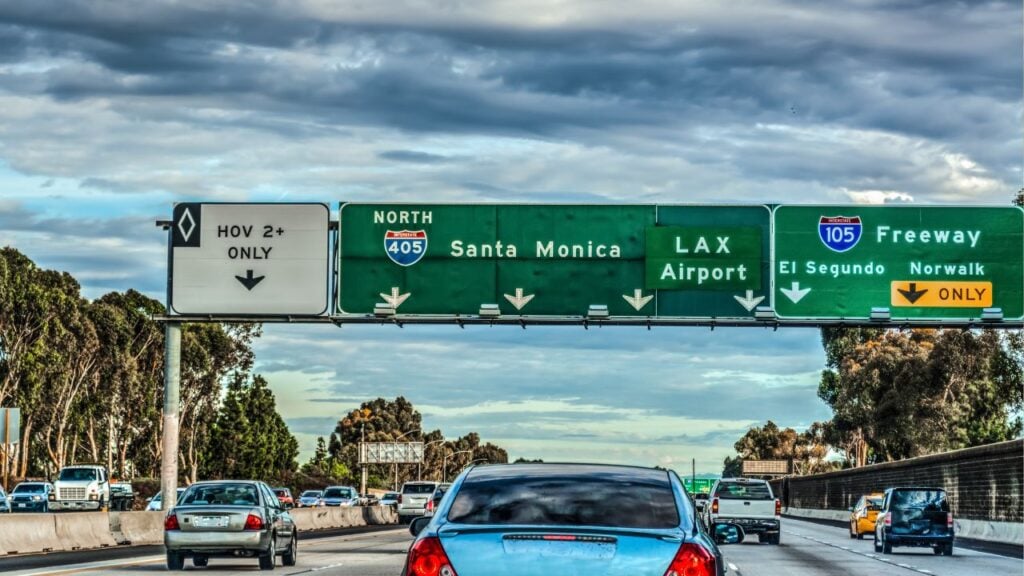
California trains a habit or two that never leaves, like rinsing out a soda can before tossing it, even somewhere the nickel never comes back.
These are the small tells that follow Californians into every new zip code, whether they mean to keep them or not.
9 Habits Californians Can't Hide No Matter Where They Move
9 Hidden Costs of Living in California Nobody Warns You About
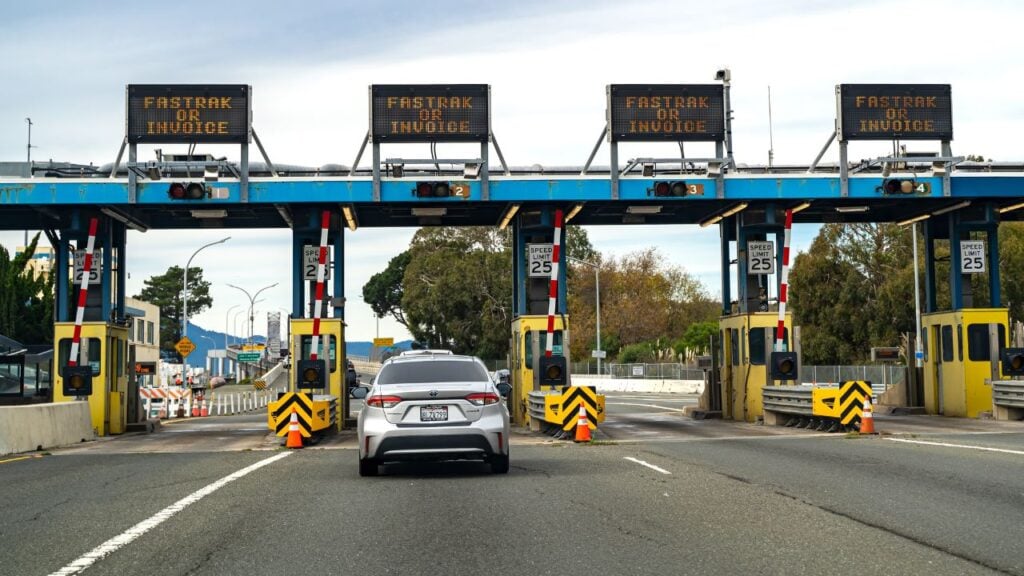
California wildfire bills don't just land on people who lost a home this year.
They land on everyone's insurance statement too.
9 Hidden Costs of Living in California Nobody Warns You About
