

8 Things South Carolina Kids Did Every August That Would Never Fly Now

A kid in Sumter grabs a bike the minute supper’s done and doesn’t turn back until the streetlights buzz on, no phone in a pocket and no check-in call home.
Nobody’s mother worries.
That was an ordinary August evening across South Carolina, decades before a run of new laws, closures, and rule changes caught up with almost every habit kids once took for granted.
This is what counted as a normal South Carolina August, before every bit of it stopped.
1. All of August Still Belonged to Summer
If you grew up in South Carolina, your summer break used to run the entire month of August, with a backpack nowhere in sight.
A state law once pushed public schools to hold off until after Labor Day, a deal the tourism industry fought for since it needed teenagers to staff the hotels and restaurants through the last of the beach season.
Lawmakers loosened that in 2006, setting the earliest allowed start at the third Monday in August.
Even that didn’t hold.
By the 2024-25 school year, districts from Aiken to Greenwood had found a loophole through a modified year-round calendar and were opening classroom doors as early as July 22, while Horry County stood almost alone waiting for late August.
These days, your August probably starts with a first bell instead of a pool day.
2. Piling Into the Bed of a Pickup for the Ride to the Pool
If you rode to the community pool in South Carolina, you probably climbed into the open bed of a pickup truck with four or five other kids, no seat and no belt between anyone and the tailgate.
Nobody blinked at it.
State law now bars anyone under 15 from riding in an open truck bed or trailer, with narrow exceptions for a supervising adult, a properly rated seat belt, or a slow-moving farm errand.
The fine only runs $25, but the law ended a ride you probably took for granted if you grew up in rural South Carolina.
3. Full Pads on Day One of Two-a-Days
If you played August football in South Carolina, practice used to start the same way every year: Helmets, full pads, and full contact came out from the very first session, regardless of the heat index.
Coaches ran two sessions a day and treated water breaks as optional.
The South Carolina High School League now requires a graduated heat acclimatization period, easing teams into pads over the first several days while tracking wet bulb globe temperature to cap or cancel practice outright.
Coaches carry a thermometer now.
You won’t find a team in full pads on day one anymore, not with the state tracking heat the way it does.
4. Crabbing and Shrimping off the Dock for Free
If you were a Lowcountry kid, you could tie a chicken neck to a string and spend all August pulling blue crabs off the dock without paying anyone a dime.
Shrimping with a cast net worked the same way.
South Carolina changed that in 2009, when the state expanded its saltwater recreational fishing license to cover shore fishing, crabbing, and shrimping for the first time.
Anyone 16 or older now needs that license before dropping a line or a net off the same dock.
Free access ended there.
The blue crabs still show up at that same dock every August, license or not.
Psst! How much do you know about South Carolina? Take our quiz and see if you can ace it.
Quiz
Palmetto State Trivia
Answer these questions on South Carolina history and firsts. We bet you can’t get them all right. Prove us wrong?
Before a contest renamed it for the wax myrtle trees along the shore, what was Myrtle Beach called?
5. Catching a Movie at the Drive-In a Few Miles From Home
South Carolina had 99 drive-in theaters running in 1954, and if you grew up almost anywhere in the state, you could find one within a short drive on a hot August night.
You'd pile the whole family into the station wagon, grab a spot near the speaker post, and wait for it to get dark enough for the movie to start.
Indoor multiplexes and rising land values closed nearly all of them.
Ninety-six of them are gone.
Only three drive-ins are still running in the entire state today, including the Highway 21 Drive-In in Beaufort, one of the last screens of its kind left in the Lowcountry.
6. Beach Week at the Pavilion
If your family beach week meant Myrtle Beach, it probably meant a stop at the Pavilion, the oceanfront amusement park with a wooden coaster called the Hurricane and a carousel dating back to 1912.
It ran for 58 years.
Owners closed the Pavilion for good in 2006, citing financial trouble, and demolition crews leveled the site the following year.
The block didn't sit empty the whole time.
The site hosted the Carolina Country Music Festival for a few summers, then a company built the Myrtle Beach Adventure Zipline over the old footprint, running lines above the same ground the Hurricane coaster once covered.
That zipline closed in January 2024, and local TV station WMBF News reported crews tore down its last towers that April.
A handful of the Pavilion's original rides, including that same carousel, moved a few blocks over to a nostalgia park at Broadway at the Beach.
Grand Strand locals still wonder what will finally take that empty oceanfront block's place.
7. Riding Home Loose in the Way-Back After Buying School Shoes
If you bought new school shoes before classes started, you probably rode home stretched out in the rear cargo area of the station wagon, no seat and no belt in sight.
Car seats existed by the 1980s, but South Carolina didn't make its seat belt law a primary offense until 2005.
Not before 2005.
Before that year, an officer needed another reason to pull a driver over, since an unbuckled passenger alone in the way-back wasn't enough on its own.
No officer pulled anyone over just for riding loose back there.
8. Chasing the Cloud Behind the Mosquito Truck
If you grew up in South Carolina, a truck rolling through the neighborhood at dusk, trailing a thick fog of pesticide, was your signal to run behind it through the mist with every other kid on the street.
Parents rarely called anyone back inside.
The federal government banned DDT, a once-common pesticide, in 1972, and most South Carolina counties switched to other sprays.
The habit stuck anyway.
Charleston County alone counts more than 50 mosquito species within its limits, and the two salt marsh species breed in the biggest numbers of all, thanks to the tidal flooding that soaks the Lowcountry on a regular basis.
A single acre of dredge-disposal marsh can produce up to 80 million mosquitoes after one good rain, which is why the county still runs eight ground spray trucks alongside its aircraft.
Those trucks now spray between 11 p.m. and 7 a.m. to keep people out of the mist, with a notice list for anyone who wants a heads-up first.
You'd need to stay up past midnight to catch a spray truck on its route today.
South Carolina's Back-to-School Tax Break
Not everything about a South Carolina August got stricter.
Some of it got easier.
The state has run a sales tax holiday every year since 2000, waiving sales tax on clothing, school supplies, computers, and even bed and bath items for one weekend before the new school year starts.
This year's holiday runs Friday, August 7 through Sunday, August 9, the same weekend school shoes and backpacks get bought across the state.
You don't need a coupon or a receipt trick to get the discount.
Skipping the sales tax happens automatically at your register, on everything from a $40 pair of sneakers to a laptop for the new school year.
11 Small-Town South Carolina Diners Locals Drive Out of Their Way For
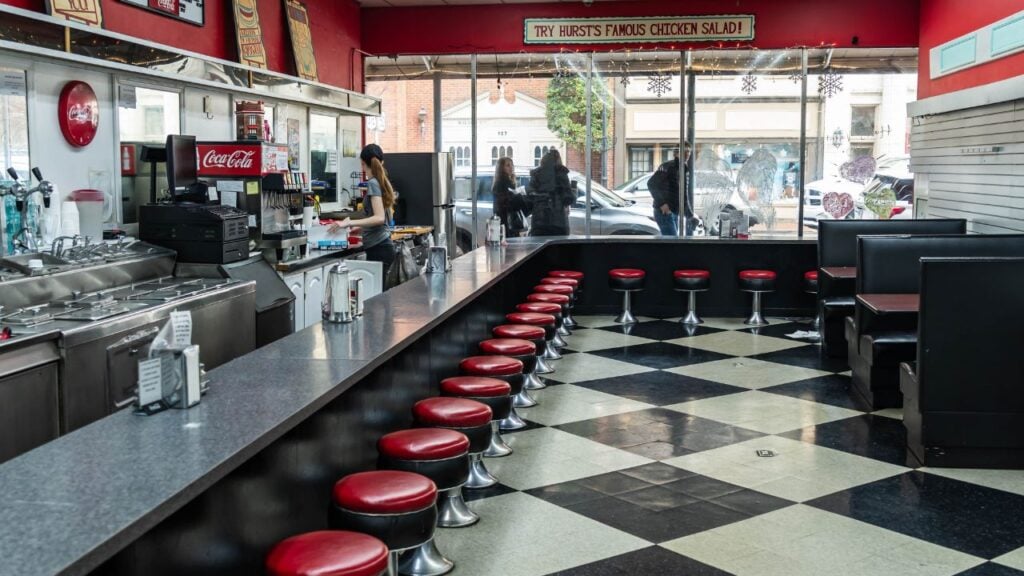
Ask a small-town South Carolinian where to eat, and the answer is never a chain.
It's a cinderblock building down a back road, the kind of place locals drive clear across the county to reach.
11 Small-Town South Carolina Diners Locals Drive Out of Their Way For
9 South Carolina Backyard Pests That Ambush Newcomers Every Summer
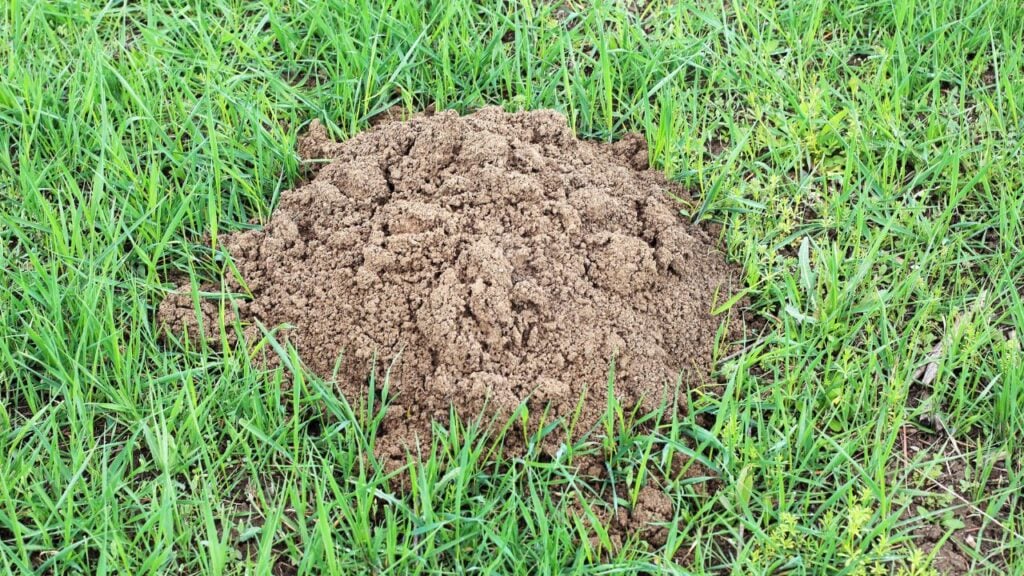
A newcomer in Mount Pleasant fires up the mower one July evening and rolls straight over a nest hidden in the grass.
Forty yellow jackets come up at once, and a neighbor who's lived there for decades just laughs and points at the spot everyone learns to avoid.
9 South Carolina Backyard Pests That Ambush Newcomers Every Summer
