
7 Snobbiest Grocery Stores in America, 3 Are in California

A snobby grocery store doesn’t need a single price tag to make a shopper feel out of place.
The valet stand out front does that on its own.
Some of these grocery stores sit in California, tucked behind Rodeo Drive boutiques and Craftsman bungalows alike.
These are the grocery stores across America built to make a shopper feel like they belong somewhere expensive, and three of them call California home.
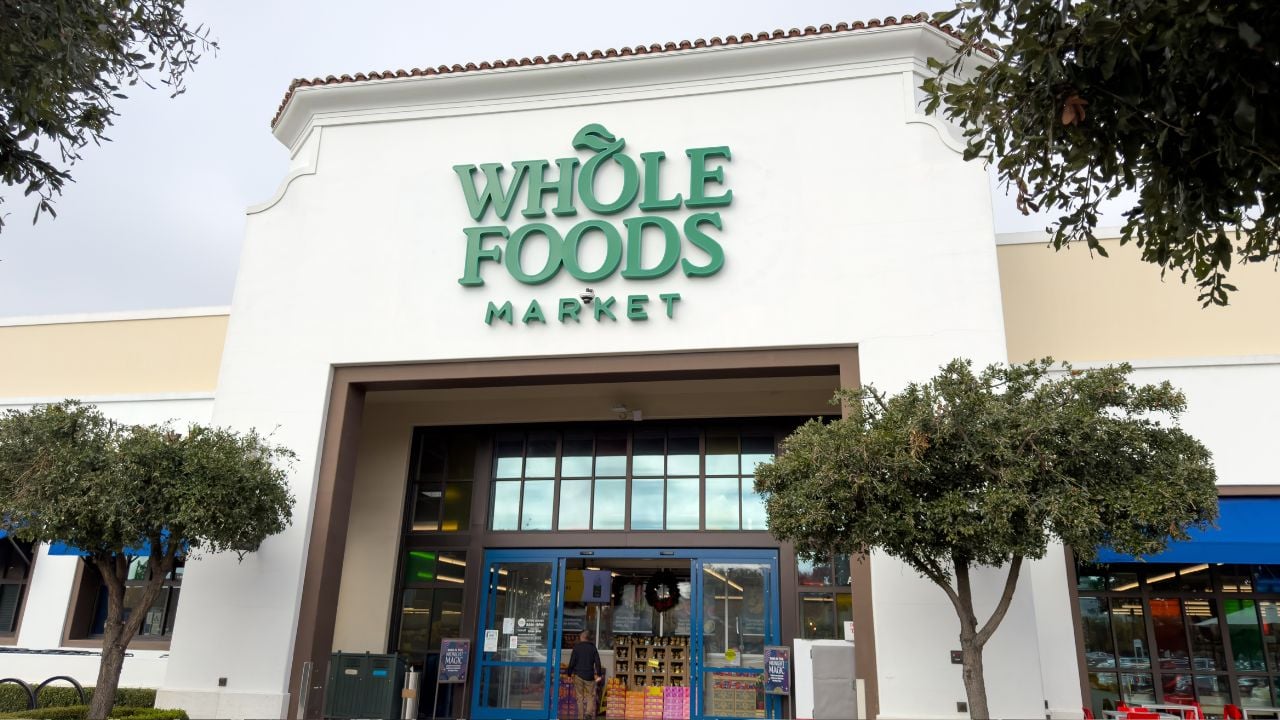
1. Whole Foods Market
Consumer Reports ran numbers on this in 2025, testing prices at more than 30 grocery chains against Walmart across six metro areas, from Boston to greater Los Angeles.
Whole Foods topped that whole list, running about 39.7% higher than Walmart on the same basket of goods.
It was the priciest of the entire group.
Whole Foods built a reputation nobody asked for: Whole Paycheck.
Amazon has spent years trying to shake that nickname, trimming prices and adding member deals since buying the chain in 2017.
Wild-caught seafood, organic produce, and meat raised under strict welfare rules carry that price at the register, no apology attached.
Shoppers keep paying for it anyway, tote bags and all.
2. Erewhon
Erewhon started as a tiny macrobiotic shop in Boston, opened in 1966 by Michio and Aveline Kushi to sell whole grains most Americans had never tried.
The store moved west and stayed there, and today every location sits inside greater Los Angeles, from Venice to Calabasas.
Consumer Reports never tested this chain, since Erewhon doesn’t chase the same customer as Walmart.
Other reporting fills that gap.
A single strawberry at the produce counter can run about $19.
That’s more than a movie ticket.
The smoothie counter draws its own line, where a celebrity-branded drink sells for close to $20 and shoppers wait for a cup with a famous name on it.
The Los Angeles Times described the store as a place people visit for status as much as groceries, walking out with a smoothie, a photo, and proof for social media that they made it inside.
Nobody ducks in there for milk.
They plan the trip.
3. Zabar’s
Zabar’s never expanded past one store, and that’s precisely the point.
Louis and Lillian Zabar opened a smoked-fish counter inside a Manhattan supermarket in 1934, and the business grew into its own storefront on Broadway at 80th Street.
It never left, and it never franchised.
The Zabar family has spent decades introducing New York to ingredients the rest of the country hadn’t caught up to yet, from Brie to sun-dried tomatoes.
In 1983, the store went to war with Macy’s over caviar pricing, a fight the New York press dubbed the Caviar War.
Over caviar.
Regulars line up for lox and bagels on a Sunday morning like it’s a civic duty.
The Upper West Side treats the place as a cultural landmark, not a grocery run.
4. Gelson’s
Wine stewards walk Gelson’s aisles, ready to talk through a bottle before anyone reaches the register.
Not every grocery store keeps a wine steward on staff.
Gelson’s does, and celebrities shop there often enough that nobody bats an eye at a cart stacked with groceries.
Gelson’s has run that way since 1951, and a produce industry report described its shopper base as the trendier, more affluent shoppers in the region.
The chain now runs 28 stores across Southern California.
A shopping trip, dressed up.
Psst! How much do you know about the strange history behind every grocery aisle? Take our quiz and see if you can ace it.
Quiz
Grocery Store History IQ
Answer these questions on the strange history behind your grocery store. We bet you can’t get them all right. Prove us wrong?
Costco’s hot dog and soda combo has held the exact same price since about 1985. How much is it?
5. Bristol Farms
Bristol Farms opened in 1982 in Rolling Hills Estates, built by two grocery veterans chasing one goal: Bring European elegance to a California supermarket aisle.
Their own vision statement said as much, calling for the service and food quality of a corner grocer, butcher, and baker, mixed with the theater of Harrods in London.
Bold claim.
Bristol Farms now runs 14 stores across Southern California and the Bay Area, each one marketed as upscale from the produce case to the cheese counter.
You'll pay about what any grocery store charges for the staples.
The theater around them doesn't.
6. The Fresh Market
The Fresh Market built its whole identity on making a grocery run feel like an occasion.
Ray and Beverly Berry opened the first store in Greensboro, North Carolina, in 1982, inspired by open-air markets they toured across Europe.
Classical music plays over the sound system at many locations, and workers stack and arrange the produce by hand instead of dumping it into a bin.
Vice published a piece that said flatly the chain brought "food snob elitism" to the suburbs, pointing at shelves of imported cheese and Tasmanian cherries in towns that had never carried either.
The Fresh Market now operates in more than 20 states.
That's the whole pitch.
7. Balducci's
Long before gourmet grocery shopping had a name, Balducci's was already doing it on a Greenwich Village corner.
Louis and Maria Balducci opened the doors in 1946, building one of the city's first true specialty grocers by folding a butcher, a fishmonger, and a bakery into a single store years before that setup became standard.
Other specialty markets across the city copied the whole model.
The parent company filed for bankruptcy in 2020, and Albertsons paid $96.4 million to take over Balducci's and its sister chain, 27 stores in all.
Balducci's still runs a handful of full-service stores across Connecticut, Maryland, Virginia, and New York today.
None of them are cheap.
10 Habits That Embarrass Californians the Second They Leave the State
A Californian steps off the curb in Nashville, mid-block, with no crosswalk in sight.
A pickup truck lays on the horn, and back home in Long Beach, crossing the second the street looks clear is just how it's done.
10 Habits That Embarrass Californians the Second They Leave the State
15 Things Californians Are Tired of Hearing From the Rest of America
A Californian mentions where they're from at a wedding reception, and the questions start before the appetizers arrive: Is it always sunny? Have you ever felt an earthquake?
Nobody waits for an answer before firing off the next question.
15 Things Californians Are Tired of Hearing From the Rest of America
