
9 South Carolina Foods That Confuse Anyone Who Didn’t Grow Up With Them

Think you could order confidently off a menu in Beaufort or Columbia if you’re a tourist in South Carolina?
Not a chance.
South Carolina cooking runs on dishes with names that sound like weather reports, insults, or typos, and every one of them turns out to be dinner.
These are the South Carolina foods that confuse anyone who didn’t grow up with them.
1. Chicken Bog
Newcomers give chicken bog a confused look before they even taste it.
Outsiders hear the word “bog” and picture a swamp, not supper.
The dish is chicken, rice, and smoked sausage simmered together in broth until the rice turns thick, sticky, and almost porridge-like.
That clingy texture is where the name comes from.
Chicken bog grew out of the Lowcountry’s old rice economy, when enslaved West Africans brought West African roots in one-pot rice cooking to the coast.
Horry County claims the dish hardest, and the small town of Loris builds an entire October festival around a cook-off to crown the best pot.
Ask for chicken and rice as two separate sides in that part of the state, and a server might just bring you a bowl of bog instead.
One bowl, not two plates.
2. Frogmore Stew
Shrimp, corn, smoked sausage, and potatoes all boil together in one seasoned pot, then dump straight onto newspaper or a picnic table for everyone to pick through with their hands.
Frogmore stew is the name on that pile, despite what it sounds like.
No frogs.
The name comes from St. Helena Island, a small Lowcountry community where a local shrimper is credited with putting the dish together decades ago.
Most people outside South Carolina know the same meal by a plainer name, Lowcountry boil.
Coastal South Carolinians will still argue that Frogmore stew is the only correct name for it, and locals rarely stay polite about it.
3. She-Crab Soup
A Charleston server sets down a pale orange bowl of she-crab soup and doesn’t blink when a first-timer asks what makes it different from regular crab bisque.
The soup is a cream-based crab bisque, traditionally colored with crab roe from female blue crabs, though many kitchens today substitute a splash of extra cream and paprika for that same orange tint.
That roe is exactly where the name comes from.
It’s also what separates she-crab soup from a regular crab bisque.
Big difference.
Charleston claims the dish as its own, tracing it back to the early 1900s, when the roe turned an ordinary crab soup into something restaurants could charge extra for.
Servers stir a splash of dry sherry in tableside at some of the fancier spots, right before the first spoonful.
Order plain “crab soup” instead, and a Charleston menu will treat that as a different dish entirely.
4. Boiled Peanuts
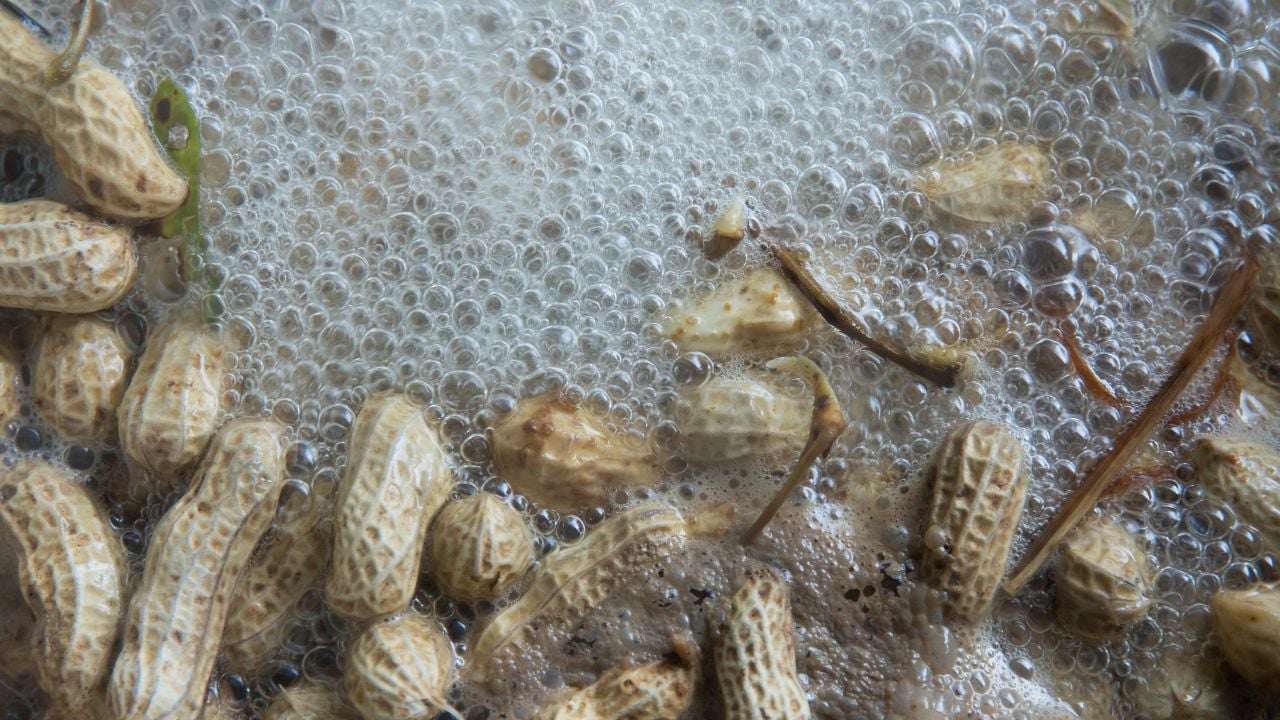
First-time drivers spot a roadside sign reading “Boiled P-Nuts” and do a double take.
Green peanuts, shell and all, simmer for hours in heavily salted water until the inside softens into something closer to a bean than a nut.
Wet.
Mushy.
Nothing like the crunchy roasted peanuts most of the country grew up snacking on.
South Carolina takes the snack seriously enough to name it the official state snack, and roadside stands sell them by the bag from spring through fall.
Crack one open in the car, and the whole cabin smells like a boiling pot for the rest of the drive.
5. Hash and Rice
Order “hash” at a South Carolina barbecue joint, and a plate of hash browns never shows up.
What lands instead is a thick, dark, savory gravy ladled over white rice, built from slow-cooked pork and, in the old-school versions, organ meats pulled from the same hog that fed the smoker.
Most pits today lean on shoulder and ham instead of a whole hog’s head, but the name and the method stuck.
Not a side.
Hash and rice sits right next to the pulled pork as its own course, spooned on with a ladle instead of tongs.
Ask for barbecue sauce on top of it, and a Midlands pitmaster will politely tell you it doesn’t need any.
6. Carolina Gold Barbecue Sauce
A newcomer expecting a smoky red sauce on South Carolina barbecue usually gets a bottle of something yellow instead.
Carolina Gold is built on yellow mustard and apple cider vinegar, sweetened with sugar rather than the molasses most tomato sauces lean on.
The taste traces back to German immigrants who settled the Midlands in the 1700s, bringing a mustard-and-pork pairing that stuck around long after the accents faded.
Few states serve up four sauces competing for a plate the way South Carolina does: Mustard, vinegar and pepper, light tomato, and a heavier tomato blend, depending on which corner of the state you’re eating in.
Don’t confuse the sauce with Carolina Gold rice, either.
Nothing alike.
Same name, same state, completely different food, and locals get a kick out of watching visitors mix the two up.
7. Chow-Chow
Chow-chow sounds like it belongs on a leash, not on a plate.
It’s a tangy, pickled relish built from chopped green tomatoes, cabbage, onions, and peppers, packed into jars with vinegar and mustard seed.
Every family recipe tastes a little different because chow-chow started as a way to use up whatever was left in the garden before frost hit.
No two jars match.
South Carolina cooks have been putting up jars of it since some of the state’s earliest cookbooks.
A spoonful lands on top of butter beans, hot dogs, or a plate of field peas the way ketchup shows up almost anywhere else.
Ask a South Carolinian to define it in one sentence, and you’ll usually get a shrug and “you just put it on things.”
Psst! How much do you know about South Carolina’s food history? Take our quiz and see if you can ace it.
Quiz
South Carolina Food History IQ
Answer these questions on Lowcountry, Gullah, and barbecue history. We bet you can’t get them all right. Prove us wrong?
Which U.S. president was reportedly served the very first bowl of she-crab soup, the version that made it famous?
8. Benne Wafers
Ask a visitor what's in a benne wafer, and "benne" draws a blank almost every time.
Benne is sesame, a word that traveled to the Lowcountry from West Africa with the enslaved people who first planted it in South Carolina's colonial gardens.
They're thin, crisp, and nutty in a way regular sesame seeds from a grocery aisle rarely match.
Gullah tradition treats the benne plant as a goodwill crop, meant to bring good luck to whoever eats it, and Charleston bakeries still lean on that story when they sell tins of the wafers to tourists.
Most visitors assume they're buying a sesame cookie.
Not just a cookie.
They're buying a piece of Gullah Geechee history that predates the country's founding.
9. Hoppin' John
First-time visitors who hear "Hoppin' John" sometimes brace for a dish with rabbit in it, not a bowl of peas and rice.
It's black-eyed peas and rice, cooked together with a piece of pork for flavor, at least in most of the South today.
Nobody agrees on the name.
Some trace it to a Charleston street vendor who sold peas by that name.
Others point to New Year's kids hopping around the table waiting for their bowl.
South Carolinians repeat both stories at the table like fact, and nobody in the room seems bothered that they contradict each other.
The oldest written Charleston recipe, set down in 1847, called for red peas instead of black-eyed peas, a Lowcountry cowpea variety that still shows up on Charleston tables today.
Order it in Charleston expecting the black-eyed peas your own family serves on New Year's, and the reddish peas on the plate are the first sign you got a different dish.
Not the version you know.
Skip the dish on January 1, the old belief goes, and the whole year runs short on luck and money.
Those collard greens on the side matter just as much, South Carolinians warn a newcomer, since leaving them off costs you the money half of the wish.
9 South Carolina Backyard Pests That Ambush Newcomers Every Summer
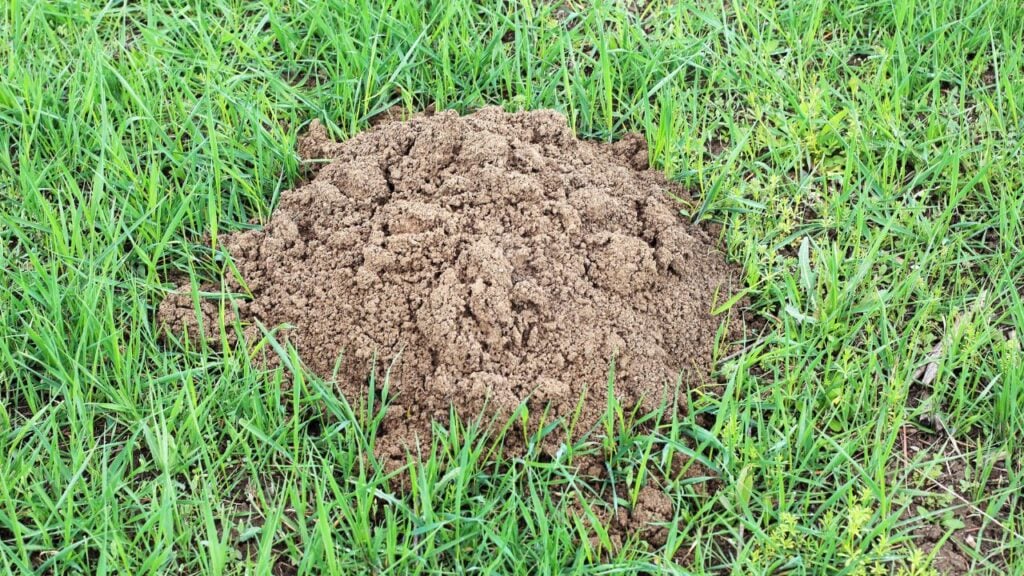
A newcomer in Mount Pleasant fires up the mower one July evening and rolls straight over a nest hidden in the grass.
Forty yellow jackets come up at once, and she's stung before she even cuts the engine.
9 South Carolina Backyard Pests That Ambush Newcomers Every Summer
11 South Carolina Squatter Laws Every Homeowner Should Understand
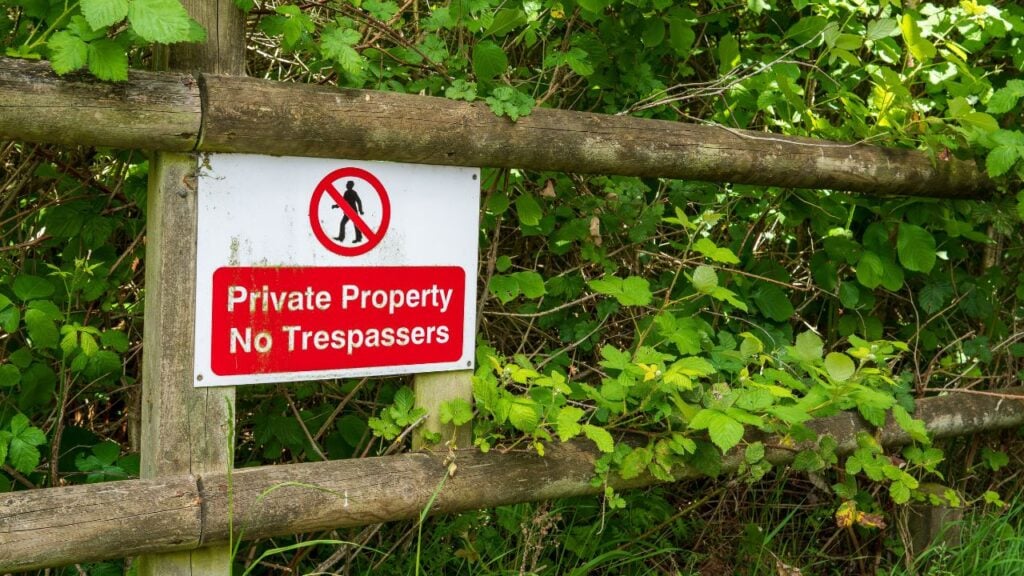
South Carolina rewrote its squatter laws this summer, and many homeowners haven't read a word of it.
The changes reach every landlord, snowbird, and family sitting on an empty lot.
11 South Carolina Squatter Laws Every Homeowner Should Understand
