

8 Property Tax Deadlines South Carolina Homeowners Can’t Afford to Miss

A homeowner in Greenville can do everything right for years, then lose thousands over a date nobody circled on the fridge.
It happens to someone every spring.
These are the South Carolina property tax deadlines a homeowner can’t afford to miss.
Note: This is general information, not financial or tax advice. Tax rules and dollar amounts are subject to change.
1. January 15: Payment Deadline
Every county in the state mails one real property tax bill a year, and it falls due on January 15.
Mark it.
The notice lands in the fall, but the deadline that carries a penalty sits in the middle of January.
Pay the treasurer in full by January 15, and nothing extra is owed.
A postmark counts, so a check dropped in a Charleston mailbox on the 15th still arrives on time.
2. Before January 15: 4% Legal Residence Application
An owner-occupied home in South Carolina is assessed at a 4% ratio, less than half the 6% rate a second home or a rental carries.
Big gap.
That rate isn’t automatic, though, and a homeowner files for it through the county assessor.
You have to submit the legal residence application before the first penalty date, January 15, of the tax year.
Skip that step in a place like Lexington County, and the house stays billed at 6% until the record is corrected.
3. January 16: First Penalty Hits
There’s no grace period once the deadline passes.
One day late, on January 16, the county adds a 3% penalty to the unpaid amount.
Overnight.
No leeway is written into the date, and no call to the treasurer’s office erases it.
On a $2,000 bill, that’s $60 tacked on the morning after it slips your mind.
4. February 2: Penalty Reaches 10%
The state’s tax penalties stack in flat steps, and they don’t compound.
After February 1, on February 2, the county raises the total to 10% of the base bill.
Flat add-ons.
That same $2,000 bill now carries a $200 penalty added on top of what was already due, three weeks after the deadline.
5. March 17: 15% and the Execution
By mid-March, a county stops treating an unpaid bill as a simple late fee.
After March 16, on March 17, the total reaches 15% and the account moves to collection.
Now it’s serious.
The treasurer issues an execution to the delinquent tax collector, who flags the property for the annual tax sale.
The county piles on collection costs and fees stacked on top of that 15% penalty.
Psst! How well do you know the fine print behind a South Carolina property tax bill? Take our quiz and see if you can ace it.
Quiz
South Carolina Property Tax Trivia
Answer these questions on how South Carolina taxes a home and everything parked beside it. We bet you can’t get them all right. Prove us wrong?
South Carolina’s homestead exemption knocks the first chunk of a qualifying home’s value clean off the tax rolls. How big is that chunk?
6. 90 Days: Assessment Appeal Window
Disagree with the value printed on your assessment notice? The window to say so is short.
A homeowner gets 90 days from the date on the notice to file a written objection.
Don't dawdle.
Let those 90 days pass, and the value stands for the year, fair or not.
In a year with no reassessment notice, the practical deadline to protest runs back to that same January 15.
7. 12 Months: Tax-Sale Redemption Period
Losing a home at a tax sale isn't the final word in South Carolina.
State law grants a 12-month redemption period after the sale to pay everything owed.
One year.
That covers the back taxes, the penalties, the costs, and interest of up to 12% owed to the winning bidder.
Let the twelve months run out without redeeming, and the bidder takes the deed to the house.
8. Every 5 Years: County Reassessment
Counties across the state don't reprice every home each year, but the reassessment year deserves attention.
State law requires a countywide reassessment at least once every five years.
New numbers.
A higher assessed value can lift the bill, though Act 388 caps the increase at 15% over each five-year cycle.
The reassessment notice also starts the 90-day appeal clock, so the year it reaches a mailbox in Spartanburg or Aiken is the year to check the county's math.
The Cheapest Places to Retire in South Carolina in 2026

A retiree can settle into a small Pee Dee county in South Carolina where the yearly property tax bill runs under $700.
Ten counties keep the cost of retiring in South Carolina about as low as it gets anywhere in the state.
The Cheapest Places to Retire in South Carolina in 2026
9 South Carolina Backyard Pests That Ambush Newcomers Every Summer
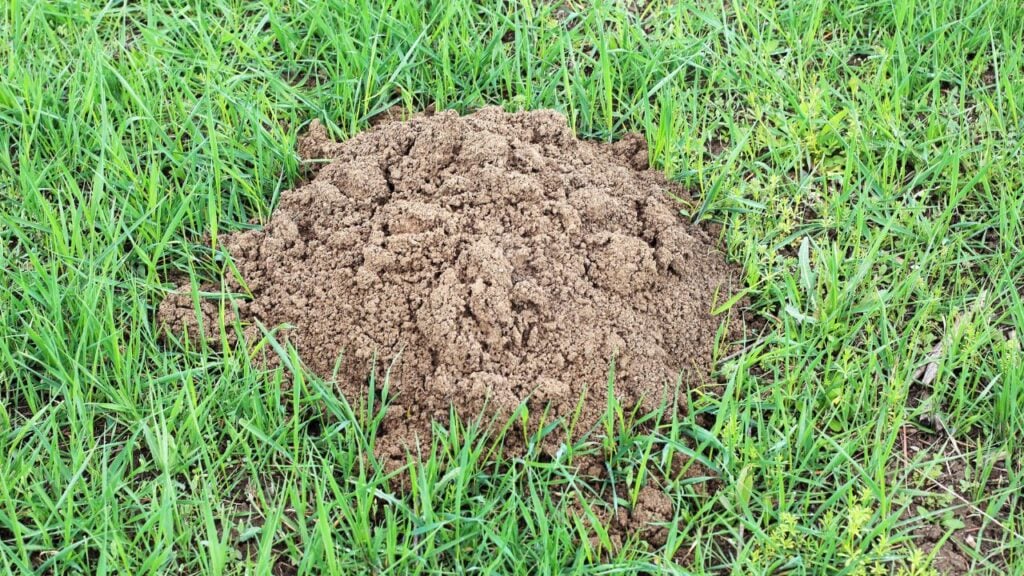
A newcomer fires up the mower on a July evening in Mount Pleasant and rolls straight over a hidden yellow jacket nest.
The Lowcountry hides a handful of backyard pests that ambush anyone who just moved in.
9 South Carolina Backyard Pests That Ambush Newcomers Every Summer
