
9 Things Californians Do That Instantly Give Them Away in Another State

Regular gas in California runs about $1.60 more per gallon than the national average, the widest gap of any state in the country.
That kind of math rewires a person.
These are the habits that mark a Californian as a Californian, wherever in the U.S. they land.
Calling It “The 405,” Not Just 405
Southern Californians grow up saying “the 405” and “the 101,” never plain 405 or 101.
That habit goes back to the 1940s, when Los Angeles opened the first freeways in the West and gave each one a name instead of a number.
California didn’t standardize freeway numbers until 1964, and the word “the” never went away once the numbers took over.
Old habits stick.
Give directions like “take the 5 to the 10” outside California, and the confusion shows on the other driver’s face fast.
Californians keep doing it anyway, freeway after freeway, no matter which state they’ve moved to.
Ordering “Animal Style” at the Wrong Burger Counter
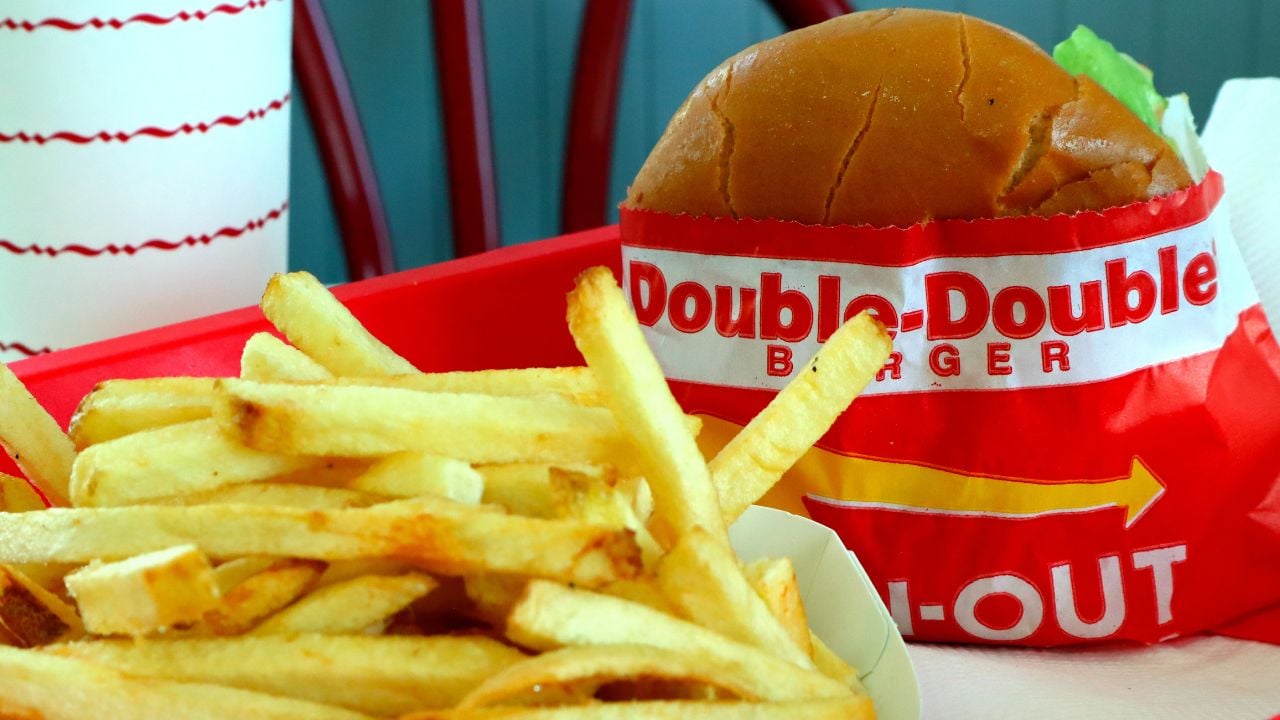
Californians walk up to almost any burger counter and order something “animal style,” expecting the cashier to know exactly what that means.
In-N-Out invented the term decades ago for a patty with mustard grilled into the beef, extra sauce, and grilled onions, and the chain never put it on the printed menu.
In-N-Out now operates in 10 states, and California alone holds more than 65% of its locations.
That leaves 40 states where “animal style” gets a blank stare instead of a burger.
A drive-thru worker in Ohio or Missouri hears the order, checks with a manager, or just asks the Californian to repeat themselves.
Confusion every time.
Pumping Their Own Gas Without Waiting
A Californian’s first move at any gas pump is swiping a card and fueling up without waiting for anyone.
New Jersey is the last state in the country where that’s illegal, and gas station owners there can be fined up to $250 for letting a driver touch the pump.
A Californian who pulls into a Jersey station out of habit finds an attendant already waving them off before the nozzle even leaves the hook.
Not in Jersey.
Back home, that same driver is used to paying about a dollar sixty more per gallon than the rest of the country, the highest average of any state.
Californians remember that price gap long after they’ve left the state.
They keep reaching for the pump first, too.
Pulling Out Their Own Bag Before Being Asked
California shoppers reach for their own tote before the cashier even asks about a bag.
The state banned single-use plastic bags at checkout back in 2014, and voters locked that ban in for good two years later.
A follow-up law closed the last loophole on January 1, 2026, banning the thicker “reusable” plastic bags too, so paper is now the only checkout option left besides a shopper’s own bag.
A Californian visiting a store in Kansas or Kentucky still digs a tote out of their car on reflex, long before anyone hands them a plastic bag.
Bag in hand.
The cashier usually just looks confused and rings up the groceries anyway.
California’s Bag Ban Happened in Two Waves
California didn’t ban every plastic bag in one shot.
The first law, passed in 2014 and confirmed by voters two years later, banned only the thin, flimsy bags at checkout.
It still let stores sell a thicker “reusable” plastic bag for a dime, and many shoppers just grabbed a new bag every trip anyway.
A second law finally closed that loophole, banning those bags too everywhere in the state starting January 1, 2026, so a paper bag is now the only checkout option outside a shopper’s own tote.
Bracing at Every Sudden Rumble
A Californian feels a truck rumble past, a heavy door slam, or furniture scrape overhead, and freezes for a beat before anything else registers.
That reflex comes standard issue back home, where ShakeAlert delivers earthquake warnings straight to Android phones with no app required.
California, Oregon, and Washington are the only states wired for that kind of alert, and only California treats it as a daily fact of life.
Somewhere else, that same rumble is just a delivery truck.
The Californian is already halfway to a doorway.
Nobody around them understands why.
Psst! How much do you know about California history and geography? Take our quiz and see how many you can get right.
Quiz
California Trivia IQ
Answer these questions on California history and geography. We bet you can’t get them all right. Prove us wrong?
California holds both the highest and lowest points in the contiguous United States. About how far apart are they?
Strapping the Bookshelf to the Wall on Move-In Day
Moving day for a Californian starts with anti-tip straps for the bookshelf, not the coffee maker.
California's Earthquake Country Alliance has spent years pushing residents to anchor bookcases, dressers, and water heaters to wall studs, and the habit sticks even after the moving truck crosses state lines.
A roommate in a state without a single fault line watches a Californian drill into a rental wall and asks why.
"Just in case."
The Californian keeps drilling, and the bookshelf isn't going anywhere, tremor or not.
Calling a Two-Hour Drive "Not Far"
A Californian shrugs off a two-hour drive the way many people shrug off a trip to the grocery store.
The state's coastline alone runs nearly 840 miles, the third-longest of any state in the country, and only Alaska and Texas cover more square miles overall.
Growing up inside that much space resets what counts as close.
Ask a Californian to drive two hours for a good taco or a mountain trailhead, and they'll check the gas gauge and go.
Not far.
Someone from a smaller state hears "two hours" and starts talking about hotel reservations.
Saying "Hella" Without Thinking Twice
To a Californian, "hella good" and "hella far" sound like completely ordinary English.
Linguists trace "hella" back to Oakland and the wider Bay Area in the late 1970s, and the word stayed tied to Northern California even after it spread nationwide.
Say it in a bar in Ohio or at a diner counter in Georgia, and someone will ask, almost immediately, where the speaker grew up.
Every time.
A transplant from Fresno or San Jose will defend the word as normal English, long after everyone else in the room has clocked them as a Californian.
Explaining What "June Gloom" Means
A Californian mentions "June Gloom" in casual conversation and has to stop and explain what it means almost every time.
The marine layer behind it can keep the coast in the 60s while a spot just 50 miles inland bakes in the 90s, and Californians grow up treating that swing as normal weather.
Someone from a state without a coastline this dramatic hears the term and pictures a mood, not a weather pattern.
A blank look follows.
The Californian explains the marine layer anyway, out of habit, even to someone who clearly stopped listening after "fog."
11 California Road Trip Stops Tourists Miss Because Nobody Tells Them
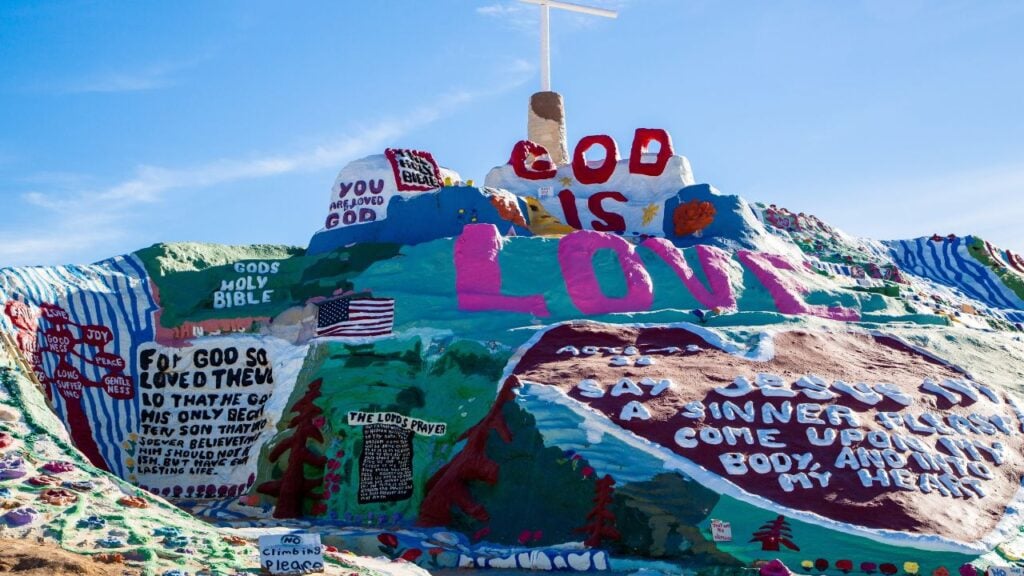
History and roadside landmarks sit within a short detour of California's busiest highways, and many drivers cruise right past every one of them.
These are the road trip stops that never make the postcard rack but earn the detour anyway.
11 California Road Trip Stops Tourists Miss Because Nobody Tells Them
15 California Beach Habits That Baffle Visitors From the East Coast

A family waits on a California beach well after dark, and it has nothing to do with fireworks or a bonfire permit.
East Coast visitors rarely make it past the first surprise on a California beach, let alone the rest of the list.
15 California Beach Habits That Baffle Visitors From the East Coast
