
9 Habits South Carolinians Develop Without Ever Realizing It

Live in South Carolina long enough, and certain behaviors start running in the background.
A glance at the hurricane cone, a quick check of the yard, and one look at the barbecue sauce bottle happen without a second thought.
These are habits South Carolinians develop without ever realizing it.
1. Naming Their Corner of the State First
South Carolinians answer “where are you from” with a region before they ever say the state’s name.
Charleston counts as the Lowcountry. Columbia sits in the Midlands. Florence and Myrtle Beach fall inside the Pee Dee. Greenville belongs to the Upstate.
Each region is an official area with its own counties, not a nickname somebody made up at a cookout.
Ask where home is, and a local names the region first, every time.
No one remembers deciding to answer that way.
The state comes second.
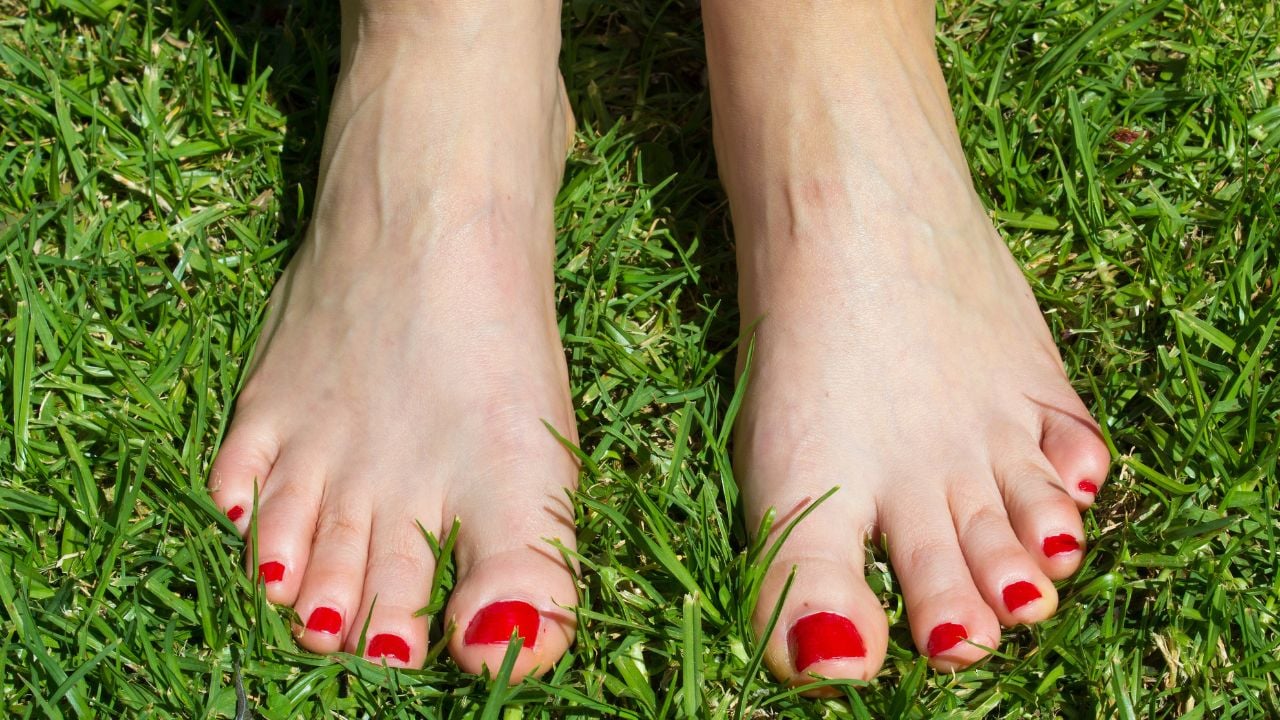
2. Checking the Yard Before Bare Feet
Red imported fire ants have spread across roughly 350 million acres of the South since arriving in the country in the 1930s, and South Carolina counts among the hardest-hit states.
That statistic reshapes how South Carolina families use a yard.
A mound of loose dirt near the porch steps earns a wide berth before anyone lets a kid or a dog loose in the grass.
Nobody remembers being taught to watch for it.
Instinct does the rest.
3. Reading a Stranger’s Colors
South Carolinians clock a stranger’s shirt color before they clock their face.
Garnet reads as Gamecock. Orange reads as Clemson Tiger.
No thinking is required.
Clemson leads the all-time series 74-44-4, a rivalry the whole state calls the Palmetto Bowl, dating back to 1896.
Kids inherit a side before they can read a scoreboard, and the habit of sizing up strangers by their sweatshirt outlives the actual game.
4. Wiping the Windshield Every Spring
Pine and oak pollen coats South Carolina’s cars, sidewalks, and puddles every spring in a powdery yellow film that a good rain won’t fully clear.
Windshield wipers just smear it into streaks.
A South Carolinian reaches for a rag on the windshield before reaching for the car keys.
The rag comes first.
Keys follow, every single March, whether the driveway sits in Charleston or Greenville.
5. Reading a Barbecue Sauce Label by Region
Across South Carolina, locals sort a barbecue sauce onto a map before anyone reads the label.
All four regional barbecue sauce styles show up on menus at once, a claim no other state can make.
A squeeze bottle of mustard sauce means the Midlands.
A thin, peppery vinegar sauce means the coast.
Nobody teaches this sorting.
Order it wrong, and a local still eats it, eyebrow raised.
South Carolina’s Barbecue Sauce Mix-Up
South Carolina’s most confusing barbecue habit for out-of-state visitors is the mustard sauce.
Many people picture “Carolina barbecue” as the thin vinegar sauce North Carolina made famous.
South Carolina’s tangy yellow mustard sauce, nicknamed Carolina Gold, isn’t a regional habit anywhere else in the country.
It rules the Midlands around Columbia, while the coast, the Pee Dee, and the Upstate each pour their own separate sauce.
6. Renaming the Cockroach
South Carolina’s most common cockroach can reach 1.5 inches long and fly straight at a lampshade, but don’t call it a cockroach around a local.
Expect a correction.
It’s a palmetto bug, they’ll say, an American cockroach with a better nickname.
The story goes that South Carolinians decided a proper home simply didn’t have roaches, only this more genteel-sounding cousin, and the rebranding outlived anybody who remembers why it started.
Say “cockroach” to a South Carolinian and they’ll correct you before they even swat it.
7. Smelling Home in the Marsh
In South Carolina’s Lowcountry, the marsh smell stops registering somewhere around a local’s tenth summer near it.
Pluff mud, the thick gray mud under every marsh grass bed, gives off a sulfur smell as bacteria break down decaying plants and shellfish.
Visitors call it rotten eggs.
Locals disagree.
Locals take a deep breath at low tide and call it home instead, without meaning to make a point about it.
It just smells like home to them now.
8. Swatting Without Looking
Dusk on the South Carolina coast brings out a hand wave that has nothing to do with saying hello.
No-see-ums, tiny biting midges that spend winter buried in mud, hatch all at once every spring as the weather warms.
A porch sitter’s hand starts moving before the itch even registers.
Ask why, and many locals can’t explain the motion.
They just know.
9. Watching the Cone Without Thinking
Coastal South Carolina checks the tropical outlook the way other people check tomorrow’s forecast.
Hurricane season runs June 1 through November 30, six months of the year.
A glance at the hurricane’s forecast cone, the shaded strip showing where a storm might travel, becomes as routine as checking the mail.
Even in a calm year, the habit doesn’t switch off until the calendar says November 30.
There are no days off.
Psst! How much do you know about South Carolina’s history and culture? Take our quiz and see how many you can get right.
Quiz
South Carolina History IQ
Answer these questions on South Carolina history, symbols, and food. We bet you can’t get them all right. Prove us wrong?
Which state ships more peaches every year, Georgia or South Carolina?
Where the Habits Started
South Carolina's four regions didn't form by accident.
The state capital moved from Charleston to Columbia in 1786 because the coastal city sat too far from everybody else.
A trip from the Upstate to Charleston could eat up a week on horseback.
Columbia won the job for sitting near the middle of the state, at the exact point where the Congaree River stopped being navigable by boat.
That's old news.
Commodore Gillon and Judge Pendleton platted the new capital on April 21, 1786, and ordered every street cut at least 60 feet wide, nearly double the width of a typical London street of that era.
The week on horseback is long gone.
Charleston to Greenville now runs under four hours by car, along the same route that once justified moving an entire capital.
9 South Carolina Squatter Rules That Leave Homeowners Powerless
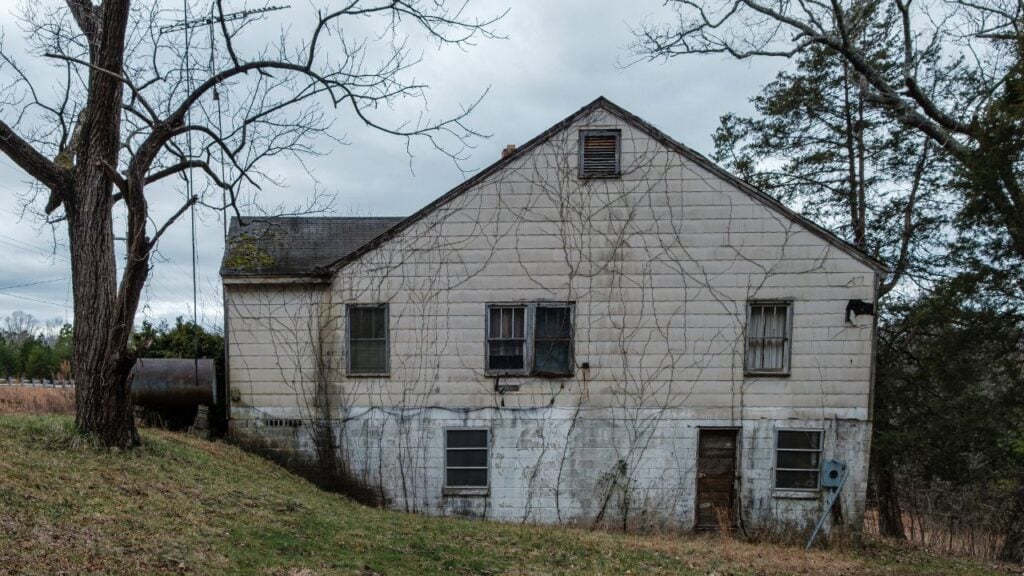
A stranger's mattress turns up inside an empty Horry County beach house, and every instinct says change the locks that night.
Do that in South Carolina, and the homeowner can end up writing that check.
9 South Carolina Squatter Rules That Leave Homeowners Powerless
8 Things South Carolina Kids Did Every August That Would Never Fly Now
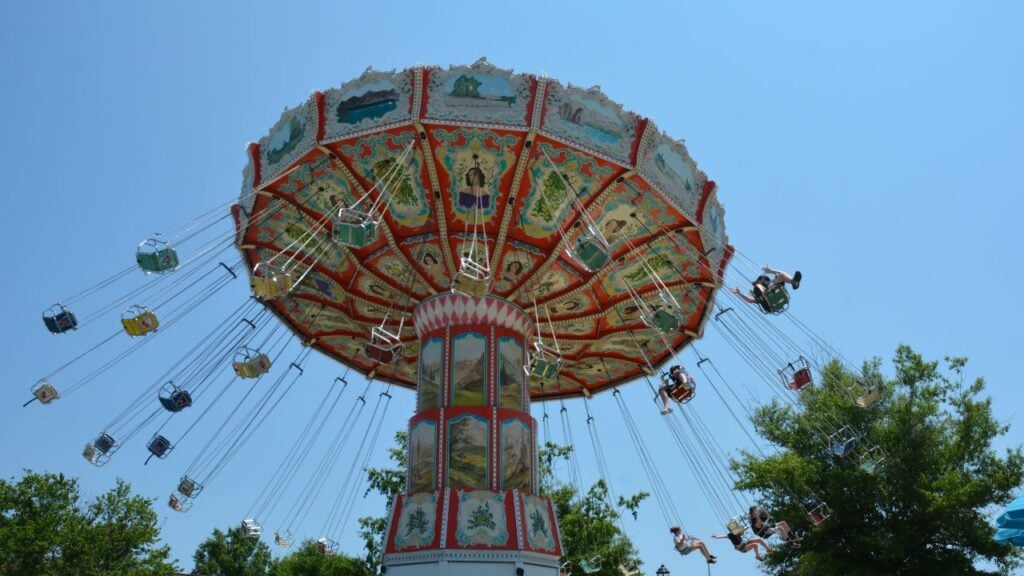
A kid in Sumter grabbed a bike the minute supper ended and didn't turn back until the streetlights buzzed on, no phone in a pocket and no check-in call home.
Nobody's mother worried, and that was an ordinary August evening across South Carolina decades before the rules caught up.
8 Things South Carolina Kids Did Every August That Would Never Fly Now
