
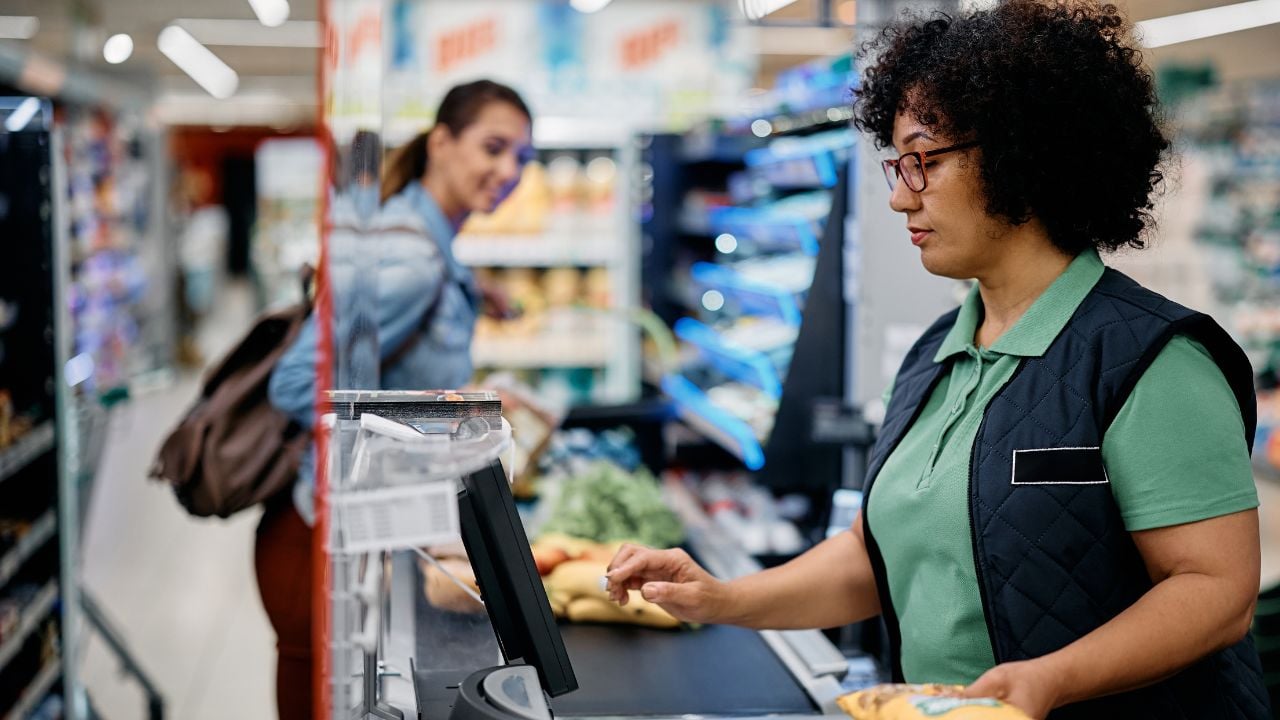
8 Things Pennsylvania Grocery Cashiers Notice About You Within 10 Seconds

Think your Pennsylvania grocery run is a private affair?
Your cashier would disagree.
These are the things a Pennsylvania cashier notices about you before you’ve even swiped your card.
1. Knowing the Lottery Numbers
Pennsylvania cashiers can spot a lottery regular before that person even reaches the counter, the way they ask for a scratch-off by name instead of pointing at the case.
The Pennsylvania Lottery is the only state lottery in the country that sends every dollar of profit to programs for older residents, a promise written into law in 1971.
That money pays for discounted transit rides, the Pharmaceutical Assistance Contract for the Elderly (PACE and PACENET) prescription programs, and services run through the state’s Area Agencies on Aging.
Regulars, often the same people those programs serve, know the games better than the cashier ringing them up.
2. Your Rewards Card History
A Pennsylvania cashier can tell how long a shopper’s been coming to that store the instant a rewards card beeps at the register.
A history of years and thousands of points pulls up differently than an account opened five minutes ago at the service desk.
The Giant Company runs its Flexible Rewards program across its Pennsylvania stores, while Weis Markets shoppers redeem their Weis Club Card points for gas discounts at Sunoco, 10 cents off per gallon for every 100 points, capped at 20 gallons a fill-up.
Points add up fast.
No card at all tells a cashier something too, usually that someone’s just passing through.
3. Asking Where the Tequila Is
A Pennsylvania cashier fields the same question many shifts: A shopper walking up to ask where the tequila or the vodka is shelved.
There isn’t one.
Pennsylvania is a control state, so grocery stores never carry hard liquor. Every bottle of spirits for takeout comes from one of the about 560 state-run Fine Wine & Good Spirits stores instead.
A grocery store holding a restaurant license can still sell beer and wine, but the limit stops at 192 ounces of beer and three liters of wine per transaction.
Ask a cashier where the tequila is, and you’ve just announced you’re new to Pennsylvania, or at least new to its liquor rules.
4. Your Total Splits in Two
A Pennsylvania cashier notices the split before the receipt even prints, the moment a hot rotisserie chicken or a fresh slice of pizza has to ring up on its own.
Pennsylvania’s Supplemental Nutrition Assistance Program (SNAP) benefits load onto the ACCESS Card (Pennsylvania’s name for its Electronic Benefits Transfer, or EBT, debit card).
One rule trips the register every time. Federal rules keep hot food off SNAP entirely.
Cold food scans through.
Hot food doesn’t.
So a cashier watches a shopper split the rotisserie chicken off from the rest of the cart, running the ACCESS Card for one total and a debit or credit card for the other.
That two-swipe routine barely registers with a cashier who rings ACCESS Card transactions all day.
5. Your Receipt Splits the Tax Two Ways
A Pennsylvania cashier watches the same confusion play out many shifts: A receipt that charges tax on the rotisserie chicken and skips it on almost everything else in the cart.
Pennsylvania charges no sales tax on plain groceries, but taxes anything sold hot or ready to eat the same as a restaurant order.
Candy and gum are the exception shoppers rarely expect, taxed nowhere in the state, not even a king-size bar.
First-time shoppers ask a cashier about that split almost every week, usually pointing at the receipt line for the chicken.
Regulars just watch the total divide and keep moving.
What’s Taxed at a Pennsylvania Grocery Store
Pennsylvania taxes only a few narrow categories at the grocery store, not everything with a barcode.
Pennsylvania taxes a made-to-order sub, or anything else sold hot, like a restaurant meal.
Pennsylvania also taxes soft drinks and fruit drinks with less than 25% natural juice, even though the bottled juice next to them on the shelf stays tax-free.
Plain groceries, cold baked goods, and candy or gum stay tax-free.
6. Choosing the Self-Checkout Line
Pennsylvania cashiers watch which line a shopper picks before a single item comes out of the cart.
Giant Eagle started testing item limits and shorter self-checkout hours at three of its western Pennsylvania stores in 2024, West View, Leetsdale, and Century Plaza in West Mifflin, posting dedicated staff to watch those lanes.
A full cart rolling into one of those self-scan lanes now draws a second look from the employee stationed there, the exact kind of attention self-checkout was built to avoid.
That’s the trade.
A short list heading for a cashier’s lane instead usually means someone who’d rather talk than scan.
7. Your Card Flags an Item
A Pennsylvania cashier notices instantly when a card from the Special Supplemental Nutrition Program for Women, Infants, and Children (WIC) bounces an item off the register.
Pennsylvania rolled the WIC program off paper checks and onto eWIC cards county by county through 2019, and the card only approves certain brands and sizes on its list.
Grab the wrong size of formula or the wrong loaf of bread, and the screen rejects it on the spot.
That’s not the cashier’s call.
Parents who shop with it every month know the approved list without looking. New parents find out one declined item at a time.
8. Bringing Your Own Bags
A Pennsylvania cashier can often guess which part of the state someone’s from by whether reusable bags hit the belt first.
Philadelphia banned single-use plastic bags at checkout starting October 1, 2021, and stores there can still charge for paper if they choose.
No other city has followed.
So a shopper unpacking a stack of totes without being asked usually grew up with the habit, and someone reaching for plastic that isn’t there anymore usually didn’t.
Psst! How much do you know about Pennsylvania’s grocery brands? Take our quiz and see how many you can get right.
Quiz
Pennsylvania Grocery History IQ
Answer these questions on Pennsylvania grocery brands and their history. We bet you can’t get them all right. Prove us wrong?
America’s oldest still-operating brewery has been brewing in Pennsylvania since 1829. Which town is it in?
How Checkout Habits Split by Region
Pennsylvania's checkout habits shift depending on which corner of the state a shopper's in.
Giant Eagle holds the tightest grip on western Pennsylvania, running 103 stores of its 211 total supermarkets in that single region, concentrated around Pittsburgh.
The map flips near Philadelphia.
ShopRite and Acme Markets crowd the shelves there instead, while Redner's spreads through the eastern suburbs and the Lehigh Valley.
Giant Eagle retired its longtime Fuelperks+ gas-rewards program on January 25, 2024, moving every western Pennsylvania shopper onto a new points system called myPerks.
A shopper asking a cashier to look up old Fuelperks points today is asking about a program that no longer exists.
8 Overlooked Thrift Store Sections Where Pennsylvanians Can Score the Best Finds
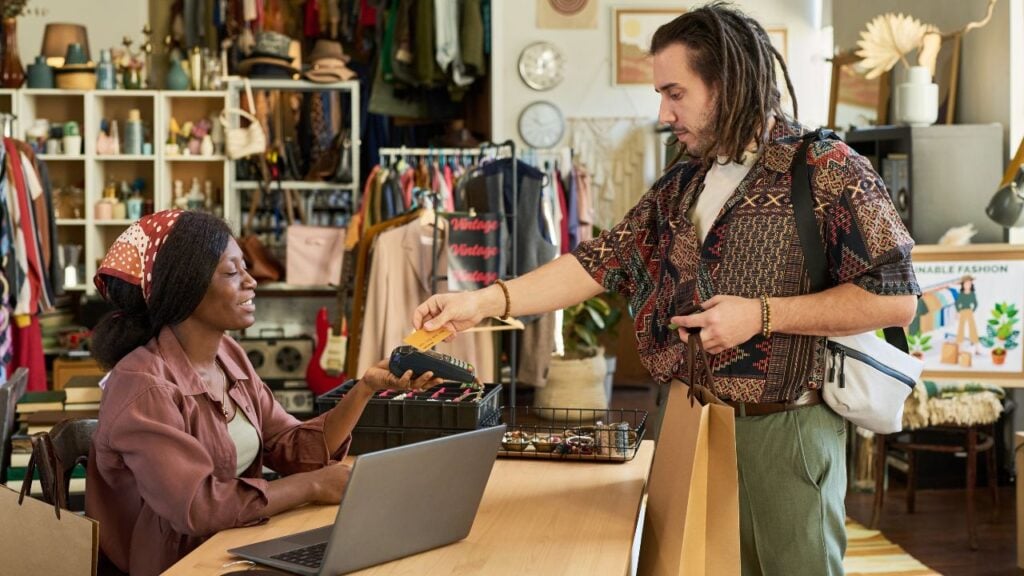
A shopper walks all 30,000 square feet of a thrift store in Lancaster County and leaves with two shirts, unaware she passed the good shelves four times.
Thrift stores often put their best inventory where fewer people look because the volunteers pricing those shelves have no way of knowing what they're holding.
8 Overlooked Thrift Store Sections Where Pennsylvanians Can Score the Best Finds
What Pennsylvania's New Limits on Warrantless Property Searches Mean for Homeowners
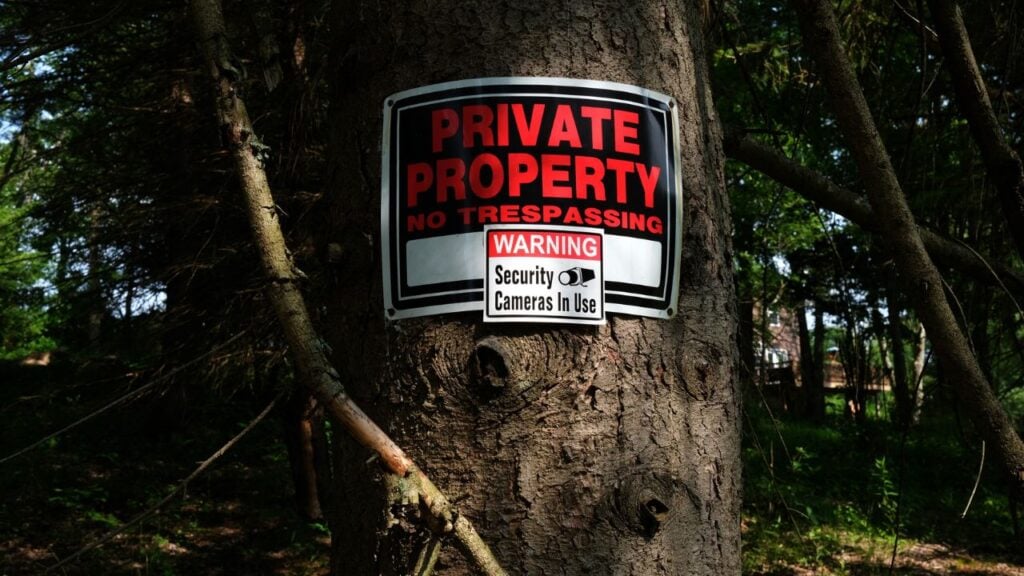
A "No Trespassing" sign on Pennsylvania land used to stop a nosy neighbor. It never had to stop a state game warden.
Pennsylvania's Supreme Court just told every government official the same rule homeowners assumed applied all along, and the new limits go far beyond hunting land.
What Pennsylvania's New Limits on Warrantless Property Searches Mean for Homeowners
