
9 Things Floridians Never Say Out Loud About Their Own State

Floridians love talking about the postcard version of their state to other Americans.
But nowhere is perfect.
Press them a little, and the answer changes.
These are the things Floridians think about their own state but rarely say out loud.
Note: This is general information, not financial or legal advice. Insurance premiums, minimum coverage requirements, and other figures mentioned are subject to change.
1. What Air Conditioning Costs
Florida’s air conditioners work harder than almost anywhere else in the country.
Cooling alone eats up about 70% of a Florida home’s summer electricity use, according to the U.S. Energy Information Administration.
Florida’s electricity runs about 12.53 cents per kilowatt-hour, according to the agency’s latest state data, and a house running the air conditioner from May through September turns that rate into a bill that rivals the mortgage.
“You get used to it,” locals tell every newcomer who complains about the heat.
Ask what the actual number is, though, and the conversation drifts to the humidity, the afternoon rain, anything but the total.
Locals almost never say the actual number out loud.
2. Palmetto Bugs Aren’t Bugs
Florida gave its giant flying cockroach a nicer name, and the state uses it constantly.
Tampa-St. Petersburg ranked seventh on Terminix’s list of the country’s buggiest cities.
Locals call the two-inch roach skittering across the patio a “palmetto bug” instead.
Say the word “cockroach” out loud around a longtime Floridian, and watch the correction come fast.
It’s still a cockroach.
Newcomers find that out the hard way, usually the first time one flies at a porch light while a native calmly calls it something else.
3. Premium They Won’t Share
Florida homeowners pay more to insure their houses than anyone else in the country, and few bring it up first.
The average Florida premium hit $8,292 a year, about 181% above the national average, according to Insurify.
Oklahoma, the next most expensive state, runs about $3,000 a year cheaper.
Big money.
Florida homeowners will talk about their pool, their lanai, their new roof.
The renewal notice stays folded in a drawer.
4. State Minimum Isn’t Coverage
Florida requires drivers to carry just $10,000 in property damage coverage and $10,000 in personal injury protection, with no requirement at all for uninsured motorist coverage.
Ask a local carrying that bare minimum if they’re covered, and the answer comes back “yes” every time.
About 1 in 5 Florida drivers carries no insurance at all, ranking the state seventh-highest nationally for uninsured motorists, according to a 2023 Insurance Research Council analysis.
One bad wreck with an uninsured driver, and that “yes” turns out to mean almost nothing.
That policy covers barely a dent.
They keep saying it anyway because a fuller policy often costs more than the car payment.
5. Some Ground Isn’t Solid
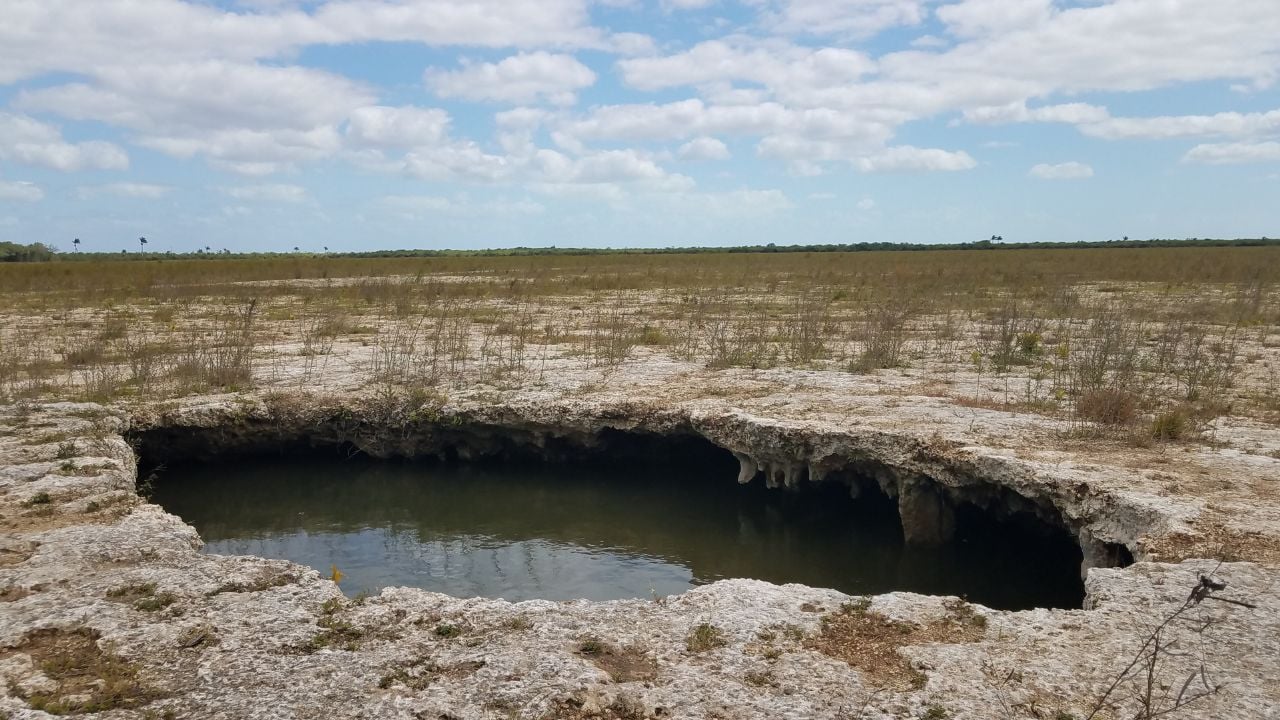
Florida’s porous limestone bedrock means the ground beneath some neighborhoods can give way without warning.
Hernando, Pasco, and Hillsborough counties, an area some call “Sinkhole Alley,” accounted for roughly two-thirds of all sinkhole insurance claims filed with the state between 2006 and 2010.
That’s three counties holding down two-thirds of the state’s risk.
Locals there check a home’s sinkhole coverage the way other buyers check for termites.
They rarely bring it up on a tour with an out-of-state house hunter.
Psst! How much do you know about Florida, versus what outsiders just assume? Tap through and see how many you get right.
6. Evacuation Was the Storm
Florida’s evacuation ahead of Hurricane Irma in 2017 pulled nearly seven million residents onto the road at once, the largest evacuation in U.S. history.
Traffic on I-75 near Lake City spiked to about 4,000 vehicles an hour, compared with a normal 1,000.
Some drivers spent 20 to 30 hours on routes that normally take a fraction of that time.
Twenty hours, easy.
Gas stations along the way ran dry before half the cars got through.
Locals who lived through it will still tell a newcomer to evacuate early and calmly.
Some of them privately admit staying home would have been the smarter call that year.
7. Snowbirds Fund the Slowdown
Florida’s snowbird season adds close to a million temporary residents at its winter peak, according to University of Florida research.
Locals feel it at every red light from January through March.
Grocery runs take longer.
So do restaurant waits.
Complaining about all three is practically a local pastime.
Ask the same locals whether their own paycheck depends on that crowd, and the traffic talk usually stops.
Many local restaurants, shops, and rental properties post their best months of the year during snowbird season.
The owners rarely say so out loud while grumbling in the checkout line with everyone else.
8. Florida Man Isn’t Special
Florida didn’t earn its “Florida Man” reputation by being wilder than any other state.
The state’s Sunshine Law posts arrest and booking reports publicly, often within hours, while other states can take days to release the same paperwork.
Reporters everywhere know where to look first.
That’s the whole trick.
Florida locals hear the jokes at every family gathering with an out-of-state guest.
Many just laugh along instead of explaining the records law behind the headline.
9. Newcomers Are the Growth
Florida’s population keeps rising every year, and almost none of that growth is homegrown.
Deaths already outnumber births across the state, so nearly all of the net growth traces back to people moving in, about 551 a day in 2025, according to University of Florida researchers who track the state’s migration numbers.
Ask a longtime-sounding local exactly how long they’ve lived in Florida, and the answer often gets vague.
Many arrived within the last decade themselves, without leading with that part when the topic turns to newcomers clogging the roads.
Every one of Florida’s fastest-growing counties last year, places like Polk and Pasco, grew because someone packed a truck and drove there, not because more babies were born that year.
Locals who complain about the traffic from all those newcomers are, more often than not, newcomers themselves who arrived on the exact same terms.
The Two Numbers Behind Florida’s Growth
Florida’s official population count blends two separate tallies.
Net migration counts everyone who moves into Florida against everyone who moves out.
Natural change counts births against deaths.
Florida’s natural change has run negative for years, meaning more residents die here than are born here.
At roughly 551 net arrivals a day, Florida’s migration count alone adds close to 201,000 residents a year.
Can You Spot All 8 Lies About Florida’s Springs?
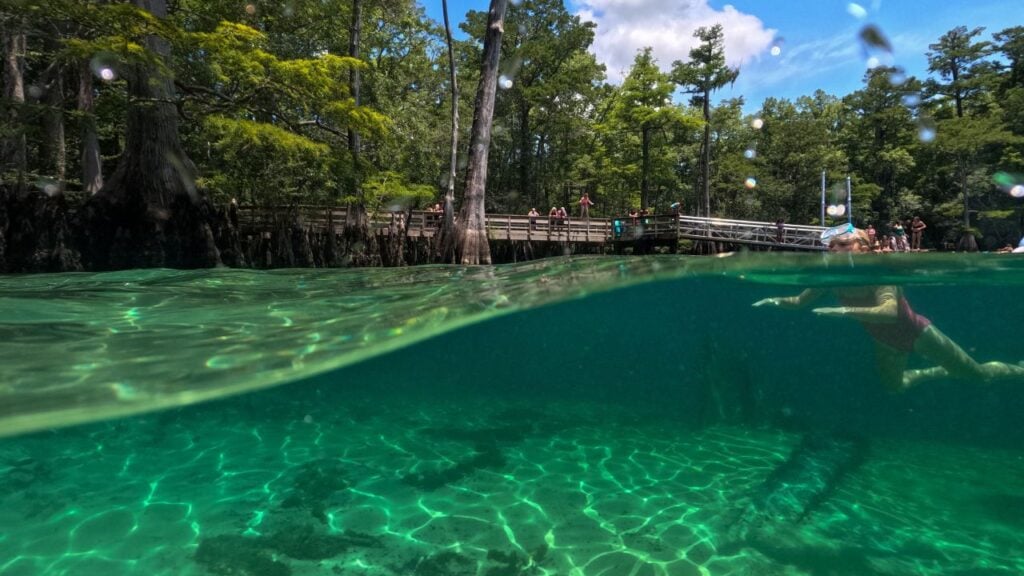
Florida’s springs look calm on the surface, but the trivia behind them trips up even longtime locals.
Every round hands over three statements about the springs Floridians grew up jumping into, and only one of them is a lie.
Can You Spot All 8 Lies About Florida’s Springs?
8 Charges Hiding in Florida Electricity Bills That Aren’t for the Power You Used
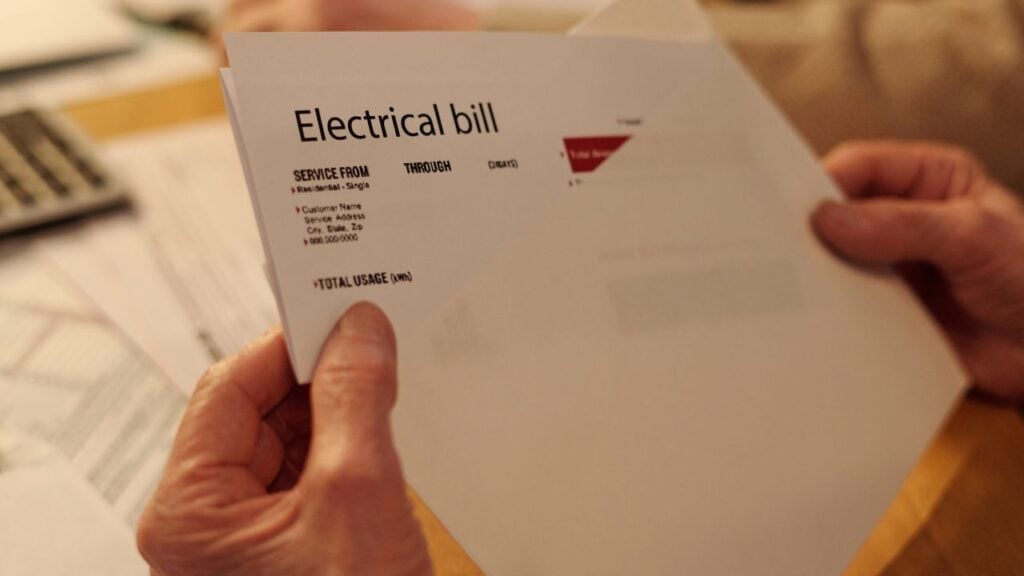
That Florida electric bill everybody grumbles about hides more than the cost of running the air conditioner.
Storm surcharges, fuel adjustments, and other line items stack onto the total before the bill even reflects the power used.
8 Charges Hiding in Florida Electricity Bills That Aren’t for the Power You Used
