
9 Things About Florida Grocery Stores That Shock Northerners

Florida’s wildlife agency estimates 1.3 million alligators live within the state’s borders, spread across all 67 counties.
Every so often, one turns up in a Publix parking lot.
These are the things about Florida grocery stores that stop a northerner in their tracks, even months or years after the moving truck pulls away.
1. Whole Grocery Stores Run in Spanish
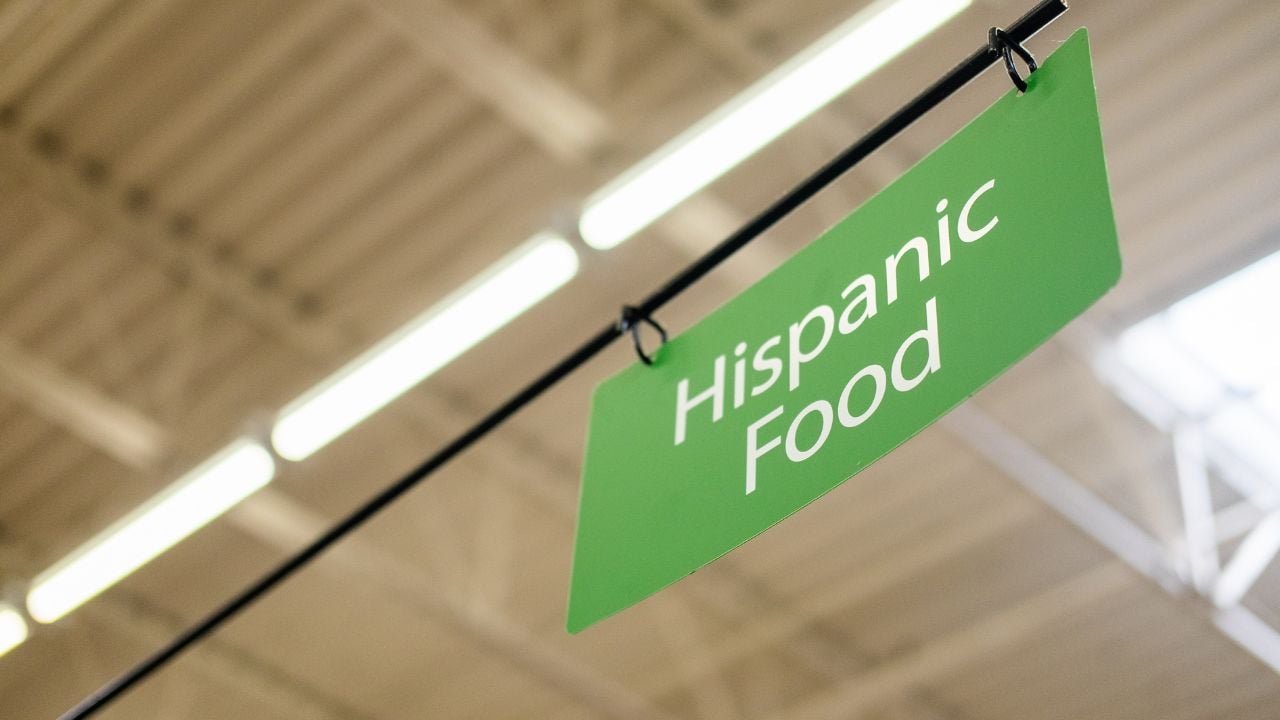
Sedano’s and Fresco y Más, two of Florida’s largest Hispanic-owned grocery chains, run entire stores in Spanish, not just a single aisle of them.
Overhead speakers play Latin pop instead of easy-listening standards, and the labels on the shelves don’t always bother translating.
Sedano’s stocks dozens of stores across Miami-Dade, Broward, Orange, and Osceola counties, and Spanish is the language shoppers hear at the register as often as English.
Fresco y Más, a sister chain Southeastern Grocers built for Caribbean and Hispanic shoppers, runs a hot foods counter serving jerk chicken and goat stew, plus a café slinging croquetas and Jamaican patties.
Bravo Supermarkets carries the same idea north, running more than 70 neighborhood stores from New York down into Florida, each stocked for the community around it.
No translation needed.
A northerner used to a single “ethnic aisle” back home has never shopped a full supermarket built this way.
2. Storm Season Strips Shelves Bare
June through November, hurricane season sends Florida grocery shoppers racing for water, batteries, and bread the moment a storm gets a name.
Stores post per-customer limits on water and ice once that happens.
That’s not a suggestion.
It’s a hard cap enforced at the register.
ALDI, the discount grocery chain, had a Delray Beach store manager named George Hoxie call the scene at his location “nuts” as Hurricane Ian approached in 2022, and an employee found a shelf that had been full the day before completely empty by the next morning.
Bread goes first.
Northerners who’ve never ridden out a hurricane watch neighbors clear a pallet of water in under an hour and assume the store ran out for good.
It didn’t.
The truck just hasn’t come yet.
3. Gators Still Crash the Parking Lot
A Winn-Dixie grocery store in Sarasota once had shoppers find a 4-foot alligator wedged under a parked sport utility vehicle in the parking lot, and deputies had to wrangle it out before shoppers could even leave.
Walmart has hosted its own uninvited guests too, with alligators wandering into parking lots from Fort Myers Beach to Ocala over the years, occasionally testing the front doors themselves.
Nobody blinks anymore.
Florida’s wildlife agency puts the statewide alligator population at roughly 1.3 million, so shoppers know to back away from a wandering gator and call it in rather than get close, since wildlife officers generally only respond once the alligator tops four feet.
A transplant from Michigan seeing the alligator under a sedan in the middle of a grocery run never quite gets used to it.
4. Plastic Bags Never Cost Extra at Checkout
Checkout at a Florida grocery store never adds a bag fee to the total, something a transplant from a state that charges for plastic notices the moment the cashier hands over a full bag for free.
Florida law has preempted local governments from banning or taxing single-use plastic bags since 2008, and the statute still blocks any city or county from writing its own rule.
Florida was one of at least 19 states limiting local plastic bag regulation as of a 2023 industry tally, while places like New York, New Jersey, and Colorado either ban the bags outright or charge a fee for every one handed out.
No fee line.
A shopper who spent years feeding quarters into a bag machine up north can walk out of a Florida store with ten free bags and never think twice about it.
What Florida’s Bag Preemption Doesn’t Cover
Florida’s preemption stops a city or county from banning or taxing a single-use plastic bag, but it doesn’t require a store to hand one out for free, and it doesn’t touch paper or reusable bags.
A handful of Florida cities run voluntary programs instead, like Miami-Dade County’s Plastic Free 305, asking grocery stores and other businesses to cut single-use plastic on their own since the county can’t order it.
Polystyrene foam containers face a separate, narrower state rule, so a foam meat tray from the butcher counter isn’t covered by the same law as the bag at checkout.
5. Sunday Never Slows the Beer Aisle
The beer and wine aisle in a Florida grocery store never closes for Sunday morning, a sight that still catches transplants from states with stricter blue laws off guard.
Tampa repealed its Sunday-morning liquor ordinance in January 2021, following Lakeland and Sarasota in 2015, St. Petersburg in 2017, and Polk County in 2018.
It was part of a city-by-city pattern of Florida communities scrapping decades-old blue laws rather than one single statewide vote.
Shoppers in many of those cities can now buy beer and wine starting at 7 a.m., including Sunday.
Miami-Dade County goes further still, allowing sales around the clock, seven days a week.
No dry aisle, ever.
Hard liquor still waits behind a separate door in many Florida grocery stores, sold through an attached package store instead of the main checkout lanes, a split a lot of northern supermarkets skip entirely.
6. Strawberries Arrive in December
Fresh local strawberries show up on Florida grocery store shelves every December, right as the rest of the country buries its own berry season under a foot of snow.
Hillsborough County bills itself as the Winter Strawberry Capital of the world, and the growers association says fresh Florida strawberries stay on shelves from December through April.
Peak season lands in February and March.
Not July.
The berries travel from Plant City’s fields to nearby store shelves without the days-long refrigerated truck haul from California or Mexico that supplies grocery stores farther north in the winter.
7. Produce Bins Fill With Fruit a Northern Winter Never Sees
Florida grocery store produce sections stock mango varieties, mamey sapote, dragon fruit, and guava that never show up in a Midwest supermarket.
South Florida is the only place in the continental United States that almost never freezes, letting growers around Homestead raise fruit that would die in a hard freeze anywhere else in the country, according to agricultural researchers at the University of Florida.
A citrus disease called citrus greening gutted Florida’s orange groves starting in the mid-2000s, cutting yields by more than 90%, and many growers replaced those trees with mangoes, avocados, and other tropical fruit instead.
Oranges still lead the state’s fruit crop, but the tropical fruit industry now trails only a little behind.
Not imported. Not exotic.
A shopper who grew up choosing between apples and bananas suddenly finds boniato, yuca, and mamey sapote sitting in the same produce section.
8. New Arrivals Still Draw a Line
Trader Joe’s opening day still draws a line out the door in Florida, something that would baffle a shopper who left a state where the chain sits in every other shopping plaza.
Florida is getting new Trader Joe’s locations through 2026, including stores near West Palm Beach and Sarasota.
Hundreds of shoppers lined up for hours when the chain opened its Melbourne store on the Space Coast in December 2025, with the line wrapping around the building before the doors ever opened.
Scarcity makes people patient.
A transplant used to a dozen nearby Trader Joe’s back home can’t quite believe grown adults are lining up before the doors open for cookie butter and mini totes.
9. Ice Vends Itself Out Front
A coin- and card-operated ice machine sits right by the entrance at many Florida grocery stores, dispensing bagged ice any hour, every day of the year.
Ice House America, headquartered in Jacksonville, and its competitors run these self-serve kiosks at grocery and convenience stores statewide, built for a state where hurricane prep and July heat both mean a run on ice at once.
No cashier.
There’s no line to wait in either, even during a pre-storm rush.
The machine takes a card the same way a soda machine does, just for a 20-pound bag of ice instead of a can.
The same machines usually dispense purified water along with the ice, so a shopper topping off a cooler before a storm can handle both in one stop without ever stepping inside.
A grocery run back home rarely needed a stop like that, just a bag from the store’s own freezer case.
Psst! How much do you know about grocery store history and Florida trivia? Take our quiz and see how many you can get right.
Quiz
Florida Grocery History IQ
Answer these questions on grocery store firsts and Florida trivia. We bet you can’t get them all right. Prove us wrong?
The very first grocery item ever scanned with a Universal Product Code (UPC) barcode, in 1974, was what?
11 Things Floridians Do in August Without Realizing It's Not Normal Anywhere Else
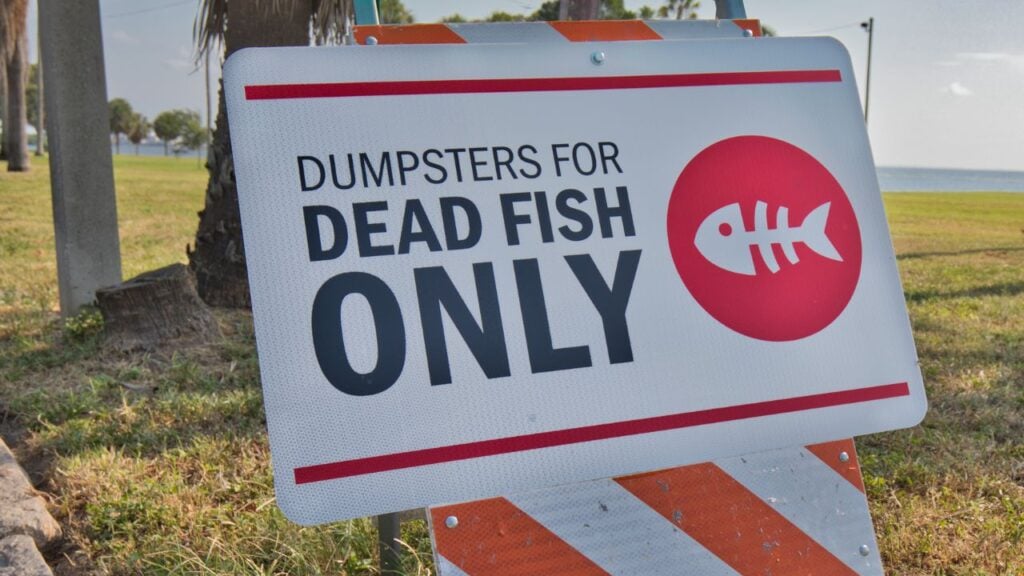
A surfer at New Smyrna Beach paddles out every August morning past a stretch of water with more recorded shark bites than anywhere else on Earth, and the lineup still fills up by 7 a.m.
That's just one of the daily trade-offs Floridians make each August that would raise eyebrows anywhere else in the country.
11 Things Floridians Do in August Without Realizing It's Not Normal Anywhere Else
9 Questions Every Floridian Dreads When Family Visits From Up North
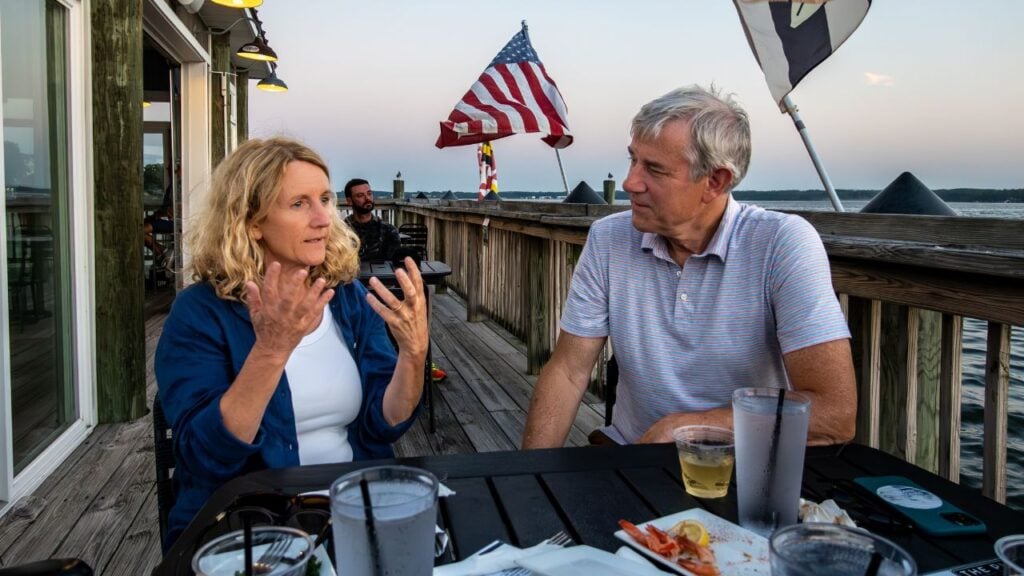
A brother-in-law from Buffalo drops his bags in the driveway, looks around the yard, and asks which tree is the orange tree, and he's only getting started.
The postcard version of Florida is years out of date, and the relatives who fly down every summer never seem to get the memo.
9 Questions Every Floridian Dreads When Family Visits From Up North
