
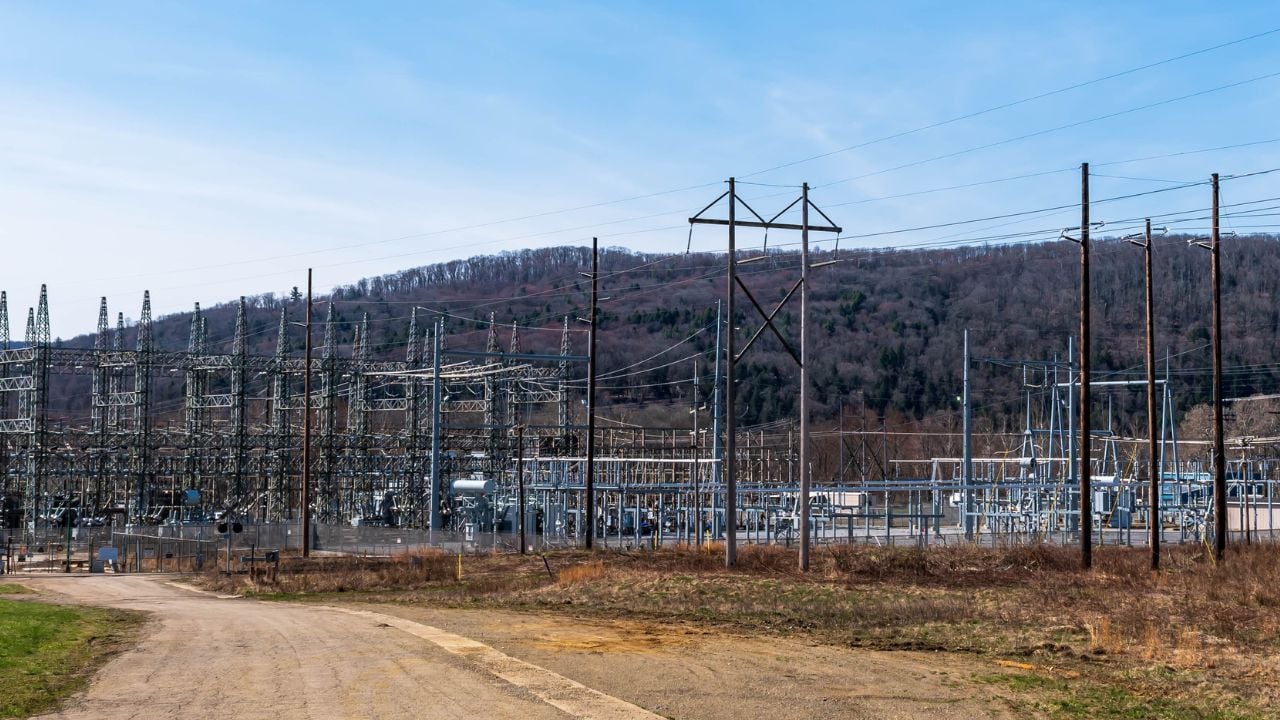
9 Things Pennsylvania Homeowners Should Know Before a Data Center Moves In

Pennsylvania’s sales-tax break for data centers is on track to cost the state more than $2 billion by 2031.
That’s a far cry from pocket change.
These are the things Pennsylvania homeowners should know before a data center moves into their town.
Note: This is general information, not legal advice. Zoning ordinances, utility rate cases and state incentive programs change often and vary by municipality, so confirm the specifics for your area with your local township or borough zoning office.
1. Your Township Is Already Rezoning
Pennsylvania townships are rezoning for data centers faster than many zoning boards can keep up with the paperwork.
24 data centers are already proposed across the Pocono Mountains, and supervisors there are racing to adopt or amend local zoning laws as new proposals come in, Smithfield Township among them.
No public fight was required.
Tobyhanna Township simply rezoned two areas to allow data centers outright, ahead of any single project showing up for a hearing.
That’s the split happening across the region: Some townships write the rules before a developer arrives, and others scramble to catch up once one already has a site under contract.
Whether a data center needs your say-so at all depends entirely on what your own township’s zoning map already allows.
2. Zoning Fight Could Run Long
Plymouth Township is proof that a data center rarely clears a zoning board in a single evening.
A zoning hearing board opened its case on a proposed 2-million-square-foot data center on the old Cleveland-Cliffs steel mill site in August 2026.
The meeting had to pause more than once because residents wouldn’t stop shouting.
The board’s own solicitor said the case couldn’t move forward without order in the room.
Order took a while.
The hearing is expected to stretch into September, and that’s typical: A zoning case with organized opposition behind it can run for months of testimony and continued dates before anyone gets a ruling.
A homeowner who shows up to one meeting and assumes the matter is settled either way is getting ahead of the process.
3. Property Values Usually Hold Steady
Property values get blamed on a data center before a single server ever turns on, but the research doesn’t back that up as cleanly as the fear does.
A George Mason University study of Northern Virginia, the world’s largest market for data centers, found no evidence that living near one lowers home values in Loudoun County.
Integra Realty Resources separately tracked homes within a mile and a half of four large data centers in Indiana from 2021 through 2026 and found they appreciated 42%, against 41% countywide.
Not nothing.
That same analysis found the pattern wasn’t universal: Homes near one Amazon facility gained more than the county average, while three other sites underperformed it by up to 9%.
Your particular street’s answer depends on the site, the noise and how visible the buildings end up being from your yard.
4. Your Electric Bill Could Still Rise
Pennsylvania homeowners aren’t supposed to cover the cost of a data center’s arrival, at least on paper.
PPL Electric (PPL), the utility that serves much of eastern and central Pennsylvania, reached a settlement, still pending state approval, that puts any data center pulling more than 50 megawatts into its own rate class and makes it pay for the infrastructure its interconnection requires.
Those large customers also have to chip in $11 million toward the state’s low-income assistance program, the first time a Pennsylvania utility has required it of them.
Homeowners aren’t off the hook.
Residential rates are rising 4.9% starting July 1, 2026, about $7.42 more a month for a typical PPL customer, as part of the broader rate case data centers are only one piece of.
New protections don’t erase an increase already on the books.
5. Power Grid Is Already Strained
Your local substation isn’t the only place a data center pulls power from.
Data centers compete for it across the whole PJM Interconnection (PJM) grid, the regional operator that manages the power supply for Pennsylvania and a dozen other states.
PJM’s capacity market costs have jumped nearly 400% since 2025 as more data centers crowd into the queue for new generation.
Wholesale power prices on the same grid rose 76% in early 2025 compared with the year before.
That backlog is why a single new data center rarely lowers anyone’s bill right away, even when the project pays its own way.
Relief isn’t coming soon.
PPL raised residential rates 4.9% in July 2026, months before any of the region’s proposed data centers even reached the grid.
Your electric statement carries that strain long before the building shows up on your road.
What the PJM Interconnection Queue Means for Your Bill
PJM Interconnection decides which new power plants get built and in what order, and Pennsylvania’s whole grid runs through that line.
A power plant approved today typically waits more than seven years to start delivering electricity, mostly stuck behind transmission-line construction and equipment shortages rather than the paperwork.
Data centers can join that same queue asking for hundreds of megawatts at once, so their wait times ripple into prices everyone pays long before any of them plug in.
6. Tax Break Is a Multibillion-Dollar Bet
Pennsylvania waives its 6% sales tax on a data center’s servers and other equipment.
That break applies as long as a project clears a $100 million investment and creates 45 jobs in a populous county.
The exemption is projected to cost the state more than $2 billion in tax revenue by mid-2031.
Gov. Josh Shapiro wants to attach new strings to it, tying continued eligibility to clean-energy targets and job and wage requirements under the Governor’s Responsible Infrastructure Development (GRID) plan his administration proposed.
Nothing is settled yet.
Whether that bet pays off for a township’s schools and services, or mostly for the company building next door, is still an open fight in Harrisburg.
7. Water Question Depends on Cooling
Cooling technology decides whether a data center sips water or drinks it by the millions of gallons.
A large facility running older, evaporative cooling can use up to 5 million gallons a day, roughly what a town of 10,000 to 50,000 people uses.
Not every project does.
The Plymouth Township developer promises a closed-loop system that draws no outside water at all, running on natural gas turbines instead.
Ask which system is proposed for the site near you, not which one sounds better on a flyer.
Psst! How ready is your neighborhood for a data center moving in? Run through this checklist and see where you stand.
8. Noise Buffers Depend on Your Township
Local rules decide how far a data center’s generators and cooling equipment can sit from your bedroom window, not a state standard.
Those generators and cooling systems run around the clock.
Pennsylvania township ordinances set data center setback requirements anywhere from 50 feet to 400 feet from residential properties.
Many townships set the longer distance for homes, schools and hospitals than for industrial neighbors.
That’s an eight-fold difference.
Plymouth Township’s council wanted a 500-foot equipment-free zone and a 100-foot planted buffer near any home, one of 43 conditions the developer disputes rejecting outright.
Some municipalities also require a sound study before approval, measuring the baseline noise on a property and setting limits the equipment has to meet once it’s running.
That number lives in your own township’s ordinance, and a neighboring township’s won’t match it.
9. Developer’s Numbers Aren’t Guaranteed
Zoning hearings for a data center often open with big financial promises already in hand, and Plymouth Township got a full set of them from Brian O’Neill, the developer behind the Conshohocken-area project.
O’Neill projects $21 million a year in local tax revenue once the facility is running.
Those are projections, not contracts.
Plymouth Township’s council says O’Neill rejected all 43 conditions it attached to the project, from buffer distances to a ban on drawing water from the Schuylkill River.
Council Chair Lynne Viscio says O’Neill tried to “demand approval by tantrum” when he balked at the list.
O’Neill disputes that characterization, telling reporters he negotiated in good faith and accepted most of what the township asked for.
9 Signs You Grew Up in a Pennsylvania Steel Town
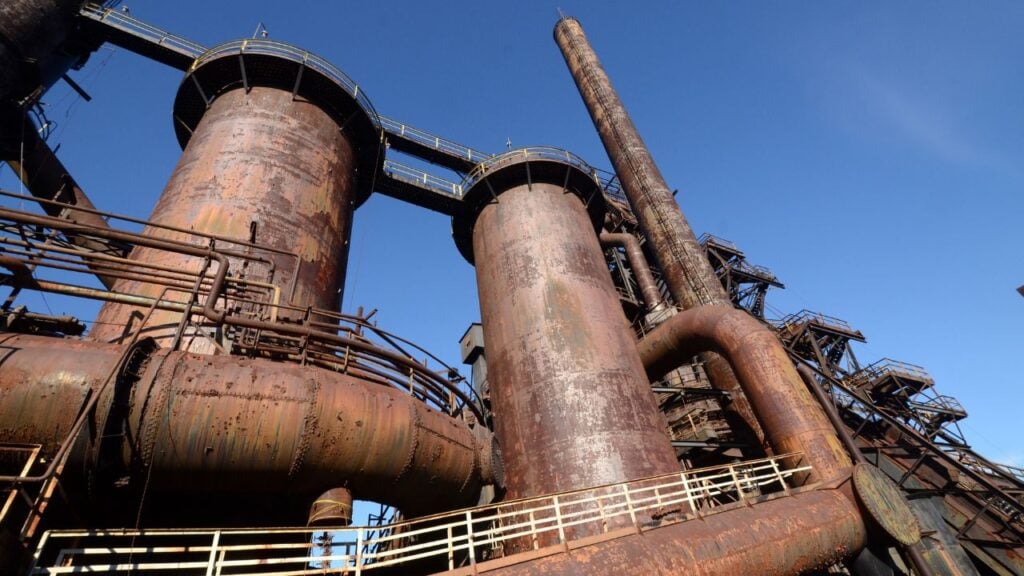
Pennsylvania has done this before, watching one industry’s giant machinery reshape a town’s whole rhythm.
Bethlehem Steel once ran the mill that set the schedule for entire families, and these are the signs someone grew up under it.
9 Signs You Grew Up in a Pennsylvania Steel Town
11 Pennsylvania Road Trip Stops Worth the Detour
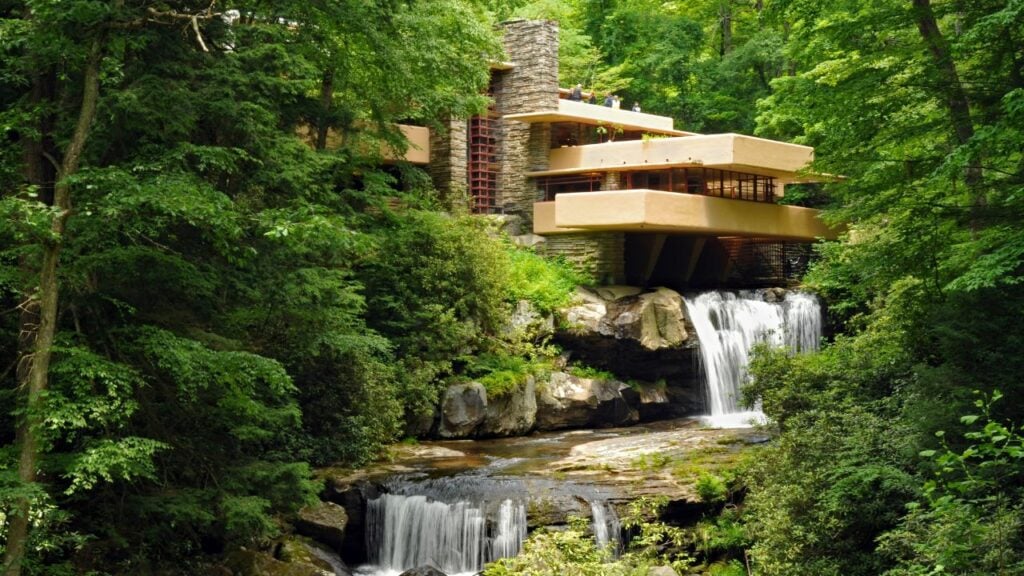
Pennsylvania’s landscape keeps drawing people in long after a data center headline fades from the weekend news.
A hiker who stops cold at the rim of a Tioga County gorge finds the proof, and these are the road trip stops worth the detour.
