
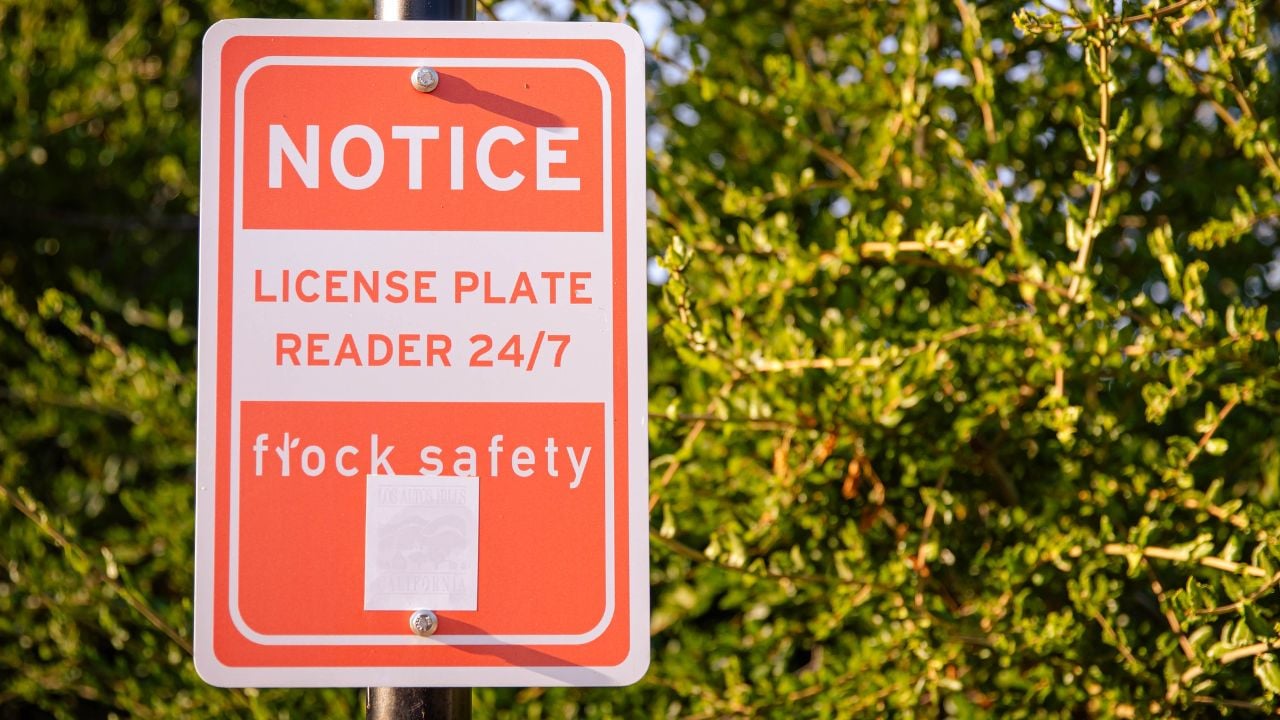
8 Things Florida Drivers Should Know About the License Plate Cameras Going Up Across the State

Florida Highway Patrol searched a private license-plate camera database for immigration cases more than 250 times in about seven weeks.
That’s not what many drivers picture when a city says it’s adding cameras for safety.
These cameras aren’t only watching for stolen cars and warrants anymore.
Here’s what every Florida driver should know about the cameras now watching their commute.
Note: This is general information, not legal advice. Camera placement rules, data retention windows, and how each city or county runs its network are subject to change.
1. Your Plate Isn’t All They Capture
Florida’s new roadside cameras build what the industry calls a “vehicle fingerprint” every time a car passes.
That means the system logs your plate along with your car’s make, model, color, and features, like a roof rack or a cracked bumper.
There are no faces.
Multiple Florida sheriff’s offices, including Okaloosa County’s, confirm the cameras run no facial recognition software on the images they capture, even though a driver often ends up in the frame.
That vehicle-level detail is also why the system can flag a car even when the plate itself is dirty, bent, or too far away to read clearly.
2. Cameras Legally Can’t Ticket You
These license-plate cameras can’t legally write you a ticket.
State law spells this out directly under 316.0777: An automated license-plate system may not be used to issue a notice of violation or a uniform traffic citation.
It writes zero citations.
That’s a clear split from the red-light and school-zone speed cameras already running in cities across the state, which exist to write citations.
So How Do You Get a Camera Ticket in Florida?
Florida does run two kinds of cameras that can mail you a citation.
Neither one is the license-plate reader network spreading through your neighborhood.
Red-light cameras operate under the Mark Wandall Traffic Safety Program.
School-zone speed cameras operate under a law the Legislature passed in 2023.
Both still require an authorized employee to review the image before any notice goes in the mail.
Florida law doesn’t require that reviewer to be a sworn officer.
3. Misuse Shut Down Sumter County’s Cameras
Sumter County Sheriff’s Office detective Brandy Almany turned the license-plate camera system into a personal tool.
She searched it, along with two other law enforcement databases, to track her husband’s ex-wife.
An internal audit caught her.
The sheriff’s office fired Almany and arrested her the same day, filing four charges including official misconduct.
Sheriff Breeden confirmed the arrest publicly, saying he’d had to arrest someone in his own department over the database misuse.
He then suspended the whole camera system while his office audited every database it touches.
Sumter County’s Flock cameras went dark within days, according to reports that broke in late July 2026.
4. Palm Bay Hooded Its Cameras Over a Permit Question
Florida’s license-plate cameras generally need a formal state permit and engineering paperwork before a city bolts one onto a road in the state highway system.
Palm Bay’s cameras ran on that same statewide network like dozens of other Florida cities.
City Manager Matthew Morton questioned whether the vendor had properly permitted Palm Bay’s installs.
That was enough.
The city shut the whole system down.
Palm Bay hooded every one of its Flock cameras on Aug. 7, 2026, while staff audited each installation.
Whether Palm Bay skipped a required permit step is still under review, with no timeline yet for when, or if, the cameras go back online.
5. Your Data Outlives 30 Days
Florida’s license-plate camera data comes with an expiration date, at least on paper.
Local agencies including Okaloosa County’s cap routine scans at 30 days, the kind of search an officer runs looking for a car right now, deleting them automatically once that window closes.
Flag a plate as evidence, though, and the clock stops.
Indefinitely is a long time.
So a routine drive past a camera clears out fast.
But a scan that lands in the wrong case file can outlive the reason it was ever collected.
Psst! How much do you know about the cameras watching Florida’s roads? Tap through and see how many you get right.
6. Your Drive Can Reach Immigration Searches
Florida Highway Patrol searched this camera network for immigration cases more than 250 times in about seven weeks during 2025.
Troopers tagged the searches with labels tied to ICE, including “immigration overstay” and “assist ice,” connected to a 287(g) agreement Tampa police signed with the agency that same year.
That’s not the original pitch.
These cameras were sold to Florida drivers as a tool for solving break-ins and finding stolen cars, not for feeding an immigration database.
7. Flagged Plates Trigger a Stop
A Florida license-plate camera doesn’t just snap a photo and move on when your plate hits a hotlist.
A match against a stolen-vehicle report, an active warrant, or a be-on-the-lookout alert (BOLO) sends an instant alert straight to officers working nearby.
That’s the trigger for a stop.
Those same alerts have helped Florida agencies recover stolen cars and, in at least one Central Florida case, tie a suspect’s own vehicle to a missing-child investigation.
The system can also be wrong, though: A hotlist entry that’s gone stale, or a plate read that’s slightly off, can pull an innocent driver over on bad data alone.
Errors happen.
8. Tampering With a Camera Is a Crime
These license-plate cameras have already become a target.
Damaging a camera is still a crime.
A 19-year-old spray-painted at least seven cameras across Atlantic Beach, Neptune Beach, and Jacksonville Beach in June and July of 2026.
He told investigators he doesn’t trust license-plate readers.
Nearby camera footage caught his car and a ladder near one of the damaged units.
Police traced the vehicle straight back to him.
Evidence doesn’t get much clearer.
Atlantic Beach charged him with criminal mischief.
Jacksonville Beach added felony vandalism counts on top of it.
Volusia County logged its own run of camera vandalism that same summer, so the backlash isn’t limited to one stretch of coastline.
Where the Cameras Are Already Watching
These license-plate cameras already reach deep into Central Florida, with Mount Dora, Orlando, Titusville, Sanford, Ocala, and Kissimmee all running networks of their own.
Northeast Florida’s beach towns and the Tampa Bay area added cameras of their own.
Southwest Florida followed with its own cluster this year.
Both coasts tell the same story.
Coverage keeps widening.
A crowdsourced tracker called DeFlock has already logged close to 80,000 of these cameras nationwide, with new pins landing across Florida on a near-monthly basis.
Fort Lauderdale’s own cameras took damage in mid-August 2026, the same stretch when Palm Bay’s network went dark.
Florida law puts the cost of installing and removing a state-highway camera entirely on the agency that wants it, never on state taxpayers.
6 Things Members of Congress Get for Free That Floridians Pay For

A member of Congress can mail a signed letter to every household in their district and never buy a stamp.
That’s just one perk Floridians keep footing the bill for, and there are several more that many people never hear about.
6 Things Members of Congress Get for Free That Floridians Pay For
8 Things Florida Shoppers Should Do the Moment a Grocery Recall Hits
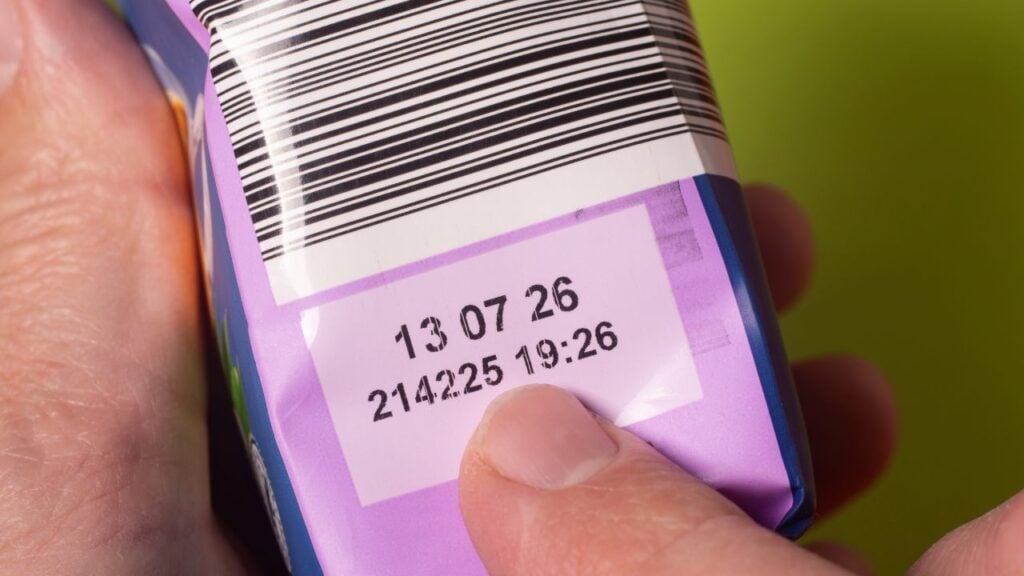
The Food and Drug Administration and the Department of Agriculture logged around 320 food recalls last year. Many never made the evening news.
Here’s exactly what a Florida shopper should do the moment one hits their own kitchen.
8 Things Florida Shoppers Should Do the Moment a Grocery Recall Hits
