
8 Things Florida Shoppers Should Do the Moment a Grocery Recall Hits

The FDA and USDA logged around 320 food recalls last year, and most of them never made the evening news.
Silence doesn’t mean safe.
It just means nobody’s paying attention.
These are the moves Florida shoppers should make the moment a grocery recall hits.
1. Match the Lot Number, Not Just the Product
A recall almost never covers an entire product line forever.
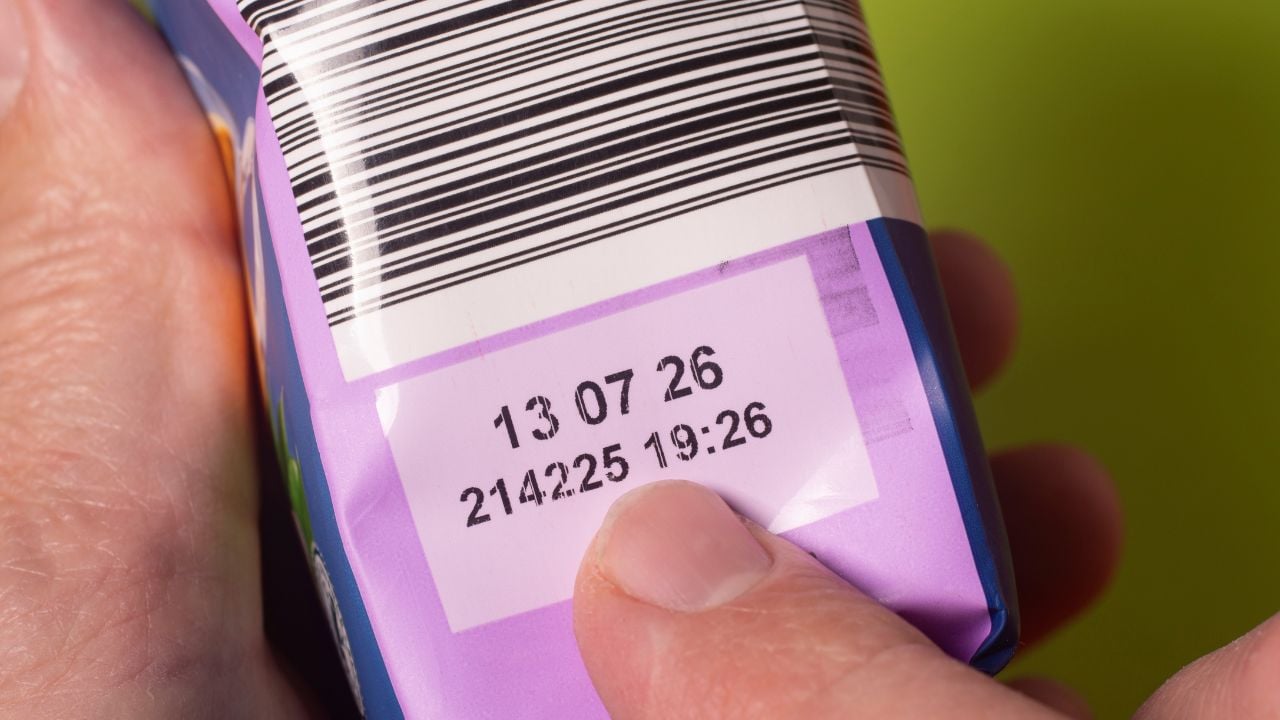
One exact batch is the actual target: A lot code, a “best by” window, and sometimes a plant number stamped near the barcode.
Grab a carton from a Sedano’s in Hialeah and a second from a Walmart in Ocala, and only one carton might carry the recalled lot, even though the brand on both labels matches exactly.
That’s not the same thing as a sell-by date passing.
A sell-by or use-by date is the manufacturer’s own freshness guess, while a recall applies to one exact production run, regardless of what the date on the package says.
The Food Safety and Inspection Service (FSIS) builds every meat and poultry notice around that batch-level detail, right down to the lot codes and the establishment number.
Read the fine print.
2. Check the Recall Class Before You Panic
Not every recall means a trip to urgent care.
The U.S. Food and Drug Administration (FDA) and the U.S. Department of Agriculture (USDA) together issued around 320 food recalls in 2025, and the class assigned to each one tells you how worried to be.
A Class I recall means a reasonable chance of serious illness or death, the kind tied to Listeria or undeclared peanuts.
That’s the emergency tier.
A Class II recall covers a product that might cause a temporary, reversible problem, and a Class III covers a labeling slip or a minor issue unlikely to hurt anyone at all.
A shopper who sees “recall” in a headline and assumes the worst can spend the week worried over a Class III mislabeled ingredient list.
3. Get a Refund Without a Receipt
A recall refund works differently than a regular return.
The recall notice already identifies the batch as bad, so the store isn’t deciding whether to trust you.
That’s rare in retail.
Bring in the package, or describe the lot code over the phone, and many grocery chains will refund or exchange a recalled item without a receipt.
The store already pulled that batch from its own shelves, so it has every reason to make the return easy.
Keep the product name and the recall’s date range in your phone anyway, since a cashier at customer service still has to log which item and lot number came back before the refund clears the register.
4. Don’t Just Toss It Loose in the Trash
Recalled food doesn’t belong in the kitchen trash can the way old lettuce does.
Food safety guidance recommends returning a recalled item to the store instead of throwing it away at home.
Florida’s heat speeds up the smell of spoiling food sitting in a closed garbage bin for days before pickup, which draws more than raccoons.
If you do have to trash it, bag it twice and seal both bags shut, so nothing digs it back out on collection night.
That’s not overkill.
A raccoon going through a backyard trash can at midnight doesn’t know the difference between a recall and dinner.
5. Wipe Down Everything It Touched
The recalled item itself is only half the job.
Listeria and Salmonella can survive on a refrigerator shelf long after the package that carried them is gone.
The Centers for Disease Control and Prevention (CDC) recommends washing every shelf and drawer the item touched in hot, soapy water, then wiping the counters and washing any towel used in the cleanup before it touches food again.
Don’t skip the drawer.
A bleach solution, one tablespoon per gallon of water, adds an extra layer of protection on the shelves that held it.
Psst! You know what to do once a recall hits your kitchen, but how much do you know about the recall system behind it? Take our quiz and see if you can ace it.
Quiz
Food Recall IQ
Answer these questions on food recall history and the strange rules behind who regulates what. We bet you can’t get them all right. Prove us wrong?
In 2016, USDA officially began inspecting which fish for the first time, breaking nearly a century of tradition where the FDA covered all seafood?
6. Check Your Freezer, Not Just the Fridge
A recall's sell-by window usually closed weeks or months before the notice ever reaches you.
Households that stock the freezer ahead of hurricane season are exactly the shoppers most likely to still be holding a batch from months back.
Freezing the item doesn't reset that clock.
Ground beef bought in June and frozen for a September cookout can carry the same lot code as a recall issued in August, long after the fridge version of that same batch would have already been eaten or thrown out.
It's easy to forget.
7. Let Your Store's App Do Some of the Work
Some grocery chains can match your purchase history against an active recall and flag it straight to shoppers who bought it, not just the general public.
The catch is that the system only works if a shopper joined the loyalty app or rewards card first.
Most shoppers skip that step.
Download the app for wherever you shop most, whether that's a Target Circle account or a regional grocery chain's rewards program, and a recall alert can reach your phone instead of disappearing into a Tuesday newspaper insert nobody reads anymore.
Digital receipts help too, since a store that emails your receipt already has a record of the exact item and date tied to your name.
8. Cross-Check Your Hurricane Pantry Too
Floridians stockpile canned goods, water, and shelf-stable food every June, and most of it sits untouched until a storm threatens.
Most people never look twice.
The FDA tells Floridians to routinely check the dates on that stash and rotate it out.
A can of soup or a case of water bought in May can still fall inside a recall issued in October, sitting forgotten in a garage until the next storm makes you dig it out.
The Florida Department of Agriculture and Consumer Services (FDACS) posts every active recall that touches the state's retail shelves on its own recall page, alongside the federal listings from the FDA and USDA.
Bookmark it next to the storm forecast because a Florida hurricane season and a nationwide food recall have nothing to do with each other, right up until the same case of canned soup shows up on both lists.
9 Underrated Florida Day Trips Locals Take All Summer

Florida's best day trips rarely come with a velvet rope or a theme park map.
They come with a two-lane road, a spring, or a roadside curiosity nobody bothered to put on a billboard.
9 Underrated Florida Day Trips Locals Take All Summer
12 Things Florida Kids Did in Summer Before the Internet

Florida summer nostalgia comes out picture-perfect, full of lazy afternoons and heat that wasn't so bad.
The real version came with sandspurs underfoot and love bugs smeared across every windshield by July.
