
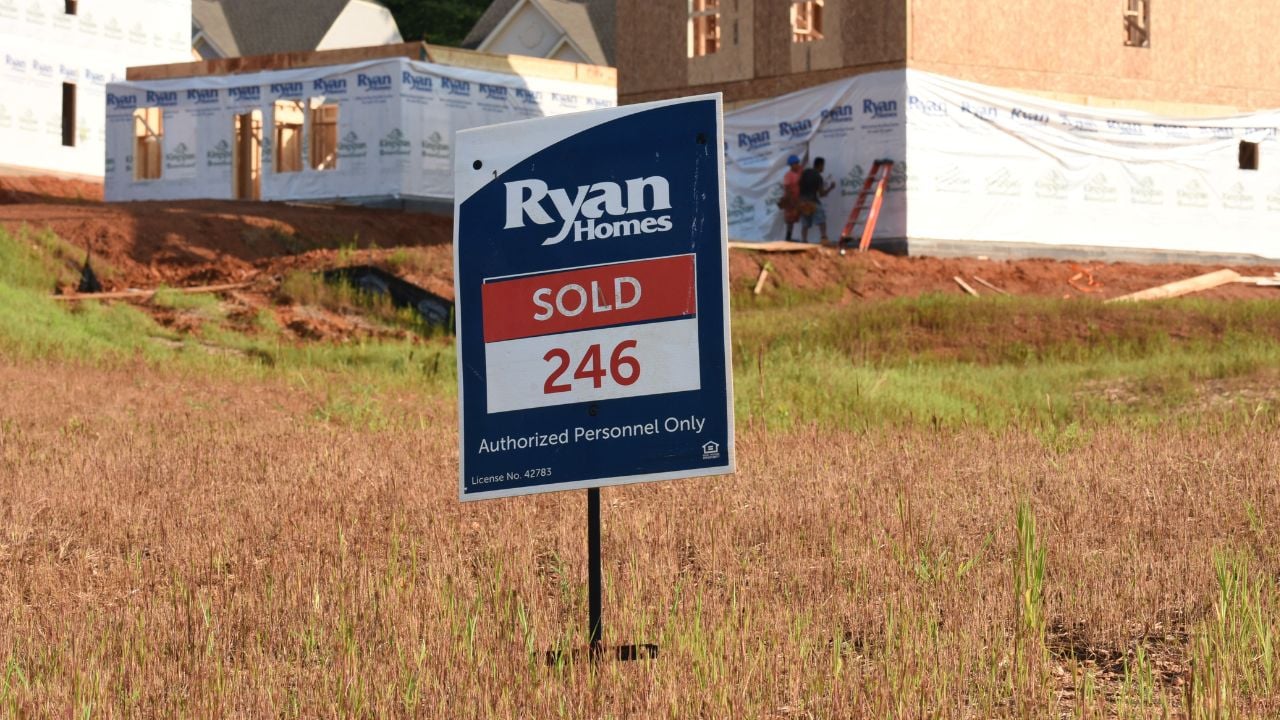
9 North Carolina Property Rules That Surprise New Homeowners

Do you think you know what you’re legally responsible for the moment you close on a house in North Carolina?
We’re willing to bet you’d miss some things.
Part of what North Carolina law does the moment the ink dries works in a new homeowner’s favor, while others can cost you money you never saw coming.
These are the property rules that surprise new North Carolina homeowners.
Note: This is general information, not legal or tax advice. North Carolina’s property statutes, HOA rules, and county tax procedures are subject to change.
1. Register of Deeds Runs on a Race
North Carolina decides who legally owns a property by a pure race rule, not by who bought first.
Whoever records their deed at the register of deeds first wins, even if a second buyer closed weeks later.
Knowing about the earlier sale doesn’t matter.
Timing decides everything.
A new owner who sits on a signed deed for even a few days is gambling with the one thing they just paid for, so many closing attorneys record it the same day for exactly this reason.
2. North Carolina Requires an Attorney to Close
A licensed attorney has to sit in on every home closing in North Carolina, whether the buyer asked for an attorney or not.
Not a title company.
State Bar rules treat a title search and the document work behind a closing as the practice of law, so an attorney stays attached to the file from the title search through settlement.
Buyers moving from a title-company state feel this rule first, right as their agent explains why a lawyer’s fee just showed up on the closing statement.
3. Paid Contractor Doesn’t Erase a Lien Risk
North Carolina lets a subcontractor or supplier put a lien on a home even after the owner already paid the general contractor in full.
Paying once doesn’t guarantee the money reaches everyone who touched the job.
That’s the trap.
For a remodel or build of $40,000 or more, owners can name a lien agent, and every subcontractor has to notify that agent within 15 days of starting work or risk losing their own lien rights.
Skip that step, and a new owner can end up defending their own title over a bill they never even saw.
What Counts Toward North Carolina’s $40,000 Line
North Carolina measures that $40,000 threshold against the whole project’s contract price, not any single subcontractor’s invoice.
A kitchen remodel that mixes a cabinet installer, an electrician, and a plumber adds up fast.
It’s the total contract price that decides whether a lien agent is required, not any single trade’s invoice.
Smaller jobs under that $40,000 line skip the lien agent system entirely.
The ordinary 120-day window to file a lien still applies underneath it.
4. HOA Can Foreclose, Not Just Fine
A homeowners association (HOA) in North Carolina can take a house over unpaid dues, not just send a fine.
A lien can attach once an assessment sits 30 days late.
Once that debt runs 90 days unpaid, many associations can foreclose without ever filing a lawsuit, using the same power-of-sale process a mortgage lender would use.
Then the countdown ends fast.
A first mortgage still outranks that HOA lien, so the bank collects first, but a new owner can still lose the house over a few hundred dollars in dues.
North Carolina’s homestead exemption keeps up to $35,000 of home equity safe from many creditors, $70,000 for a married couple who owns it together.
That shield doesn’t reach a lien already attached to the property itself, HOA or otherwise.
5. Farmland’s Tax Break Can Boomerang
North Carolina taxes qualifying farmland, timberland, and horticultural land at a fraction of market value under its Present-Use Value program.
New owners of rural property love that lower bill.
Until they don’t.
Pull the land out of qualifying use, though, and the county sends rollback taxes for the current year plus the three years before it.
The county adds interest on top of every one of those years.
Buy a farm to build a barn where the hayfield used to be, and that bill can land before the paint dries.
6. Neighboring Farm Outranks a Noise Complaint
A new owner’s leverage over a noisy, dusty, or smelly farm next door is limited by North Carolina’s Right-to-Farm Act, which shields an established farm from a neighbor’s nuisance lawsuit over the noise, dust, or smell that comes with it.
The protection has limits.
A property owner within a half mile of the operation can still sue, but only within a year of the farm starting up or making a major change to how it runs.
Buy the house next to a hog operation two years after it opened, and the one-year window to sue has already closed.
7. HOA Can’t Veto the Rooftop
North Carolina voids any HOA rule that bans solar panels outright.
State law makes that kind of deed restriction unenforceable, full stop.
Not anymore.
An association can still steer where the panels go, screen them from the street, and require the homeowner to carry the maintenance and liability.
A flat “no” just isn’t one of the options left on the table.
8. Seller Can Legally Say Nothing
Sellers in North Carolina have to fill out a disclosure form.
The state then lets many of them check a box that empties it out.
The form offers a No Representation option, and a seller can select it instead of listing a single known issue with the house.
It isn’t a loophole for hiding a defect the seller knows about.
Blank is legal.
It is a legal way to hand a new owner a signed form that says nothing at all, which is exactly why a home inspection matters more than the paperwork does.
9. County Can Reassess Without a Rate Change
Every county in North Carolina has to revalue property at least once every eight years.
Some counties move faster.
Wake County resets values every four years, and a new owner can watch the assessed value jump without a single commissioner ever voting to raise the tax rate.
A higher assessment alone is enough to raise the bill.
The Revenue Stamp Hiding in the Closing File
Every deed recorded at North Carolina’s register of deeds carries an excise tax, working out to $1 per $500 of the sale price.
A $350,000 house carries a $700 excise tax, stamped right onto the deed.
State law puts that bill on the seller’s side of the ledger, though nothing stops a purchase contract from shifting it to the buyer instead.
North Carolina property law carries a few holdovers many new owners never expect.
Can you spot the lie?
New owners rarely notice that excise tax line since it never touches their own column on the settlement statement.
Register of deeds offices post the exact rate schedule online, so the number stamped on any one deed is never a mystery once someone knows where to look.
10 Things North Carolinians Know Not to Do During Hurricane Season
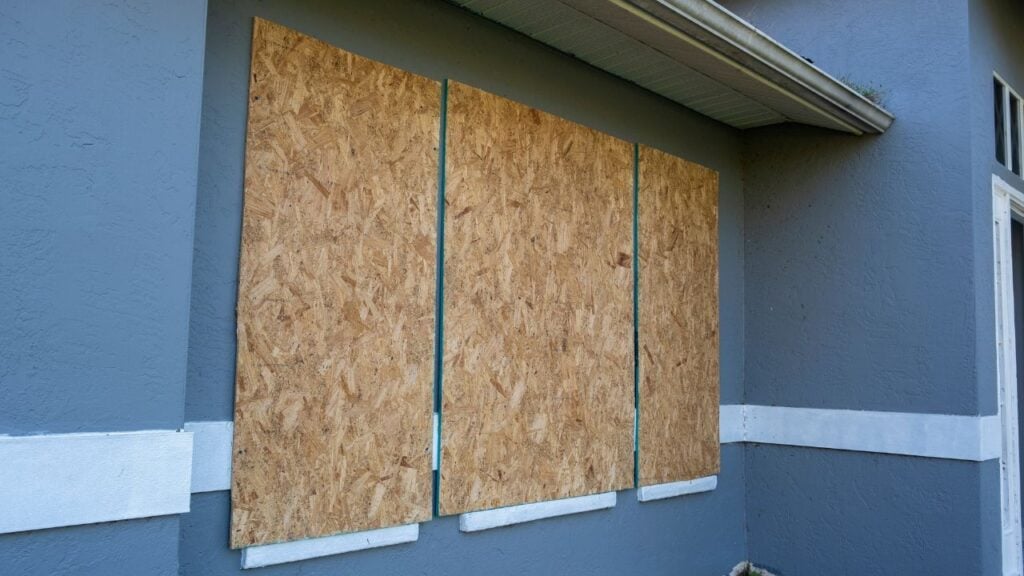
North Carolina’s mountains used to feel like the safe half of the state once hurricane season rolled around.
Hurricane Helene changed that assumption for good, and these are the mistakes the state’s hardest storm seasons already taught longtime residents.
10 Things North Carolinians Know Not to Do During Hurricane Season
8 North Carolina Roadside Finds That Aren’t Automatically Finders Keepers
A phone, a golf club, or a stray dog on the shoulder of a North Carolina highway doesn’t automatically belong to whoever picks it up first.
These are the North Carolina roadside finds that come with more rules than finders keepers ever covers.
8 North Carolina Roadside Finds That Aren’t Automatically Finders Keepers
