
9 Arizona Foods and Drinks Visitors Order Wrong Every Time

A burrito tumbling into a deep fryer at Tucson’s El Charro Café in 1922 is supposed to have given Arizona the chimichanga, curse word and all.
Almost every visitor manages to order a chimichanga by name.
Almost none order it the way locals do.
These are the Arizona orders that trip up visitors every single time.
1. Sonoran Hot Dog
The Sonoran hot dog turns a simple ballpark snack into a full meal on the streets of Tucson, and outsiders keep ordering it like it’s still just a hot dog.
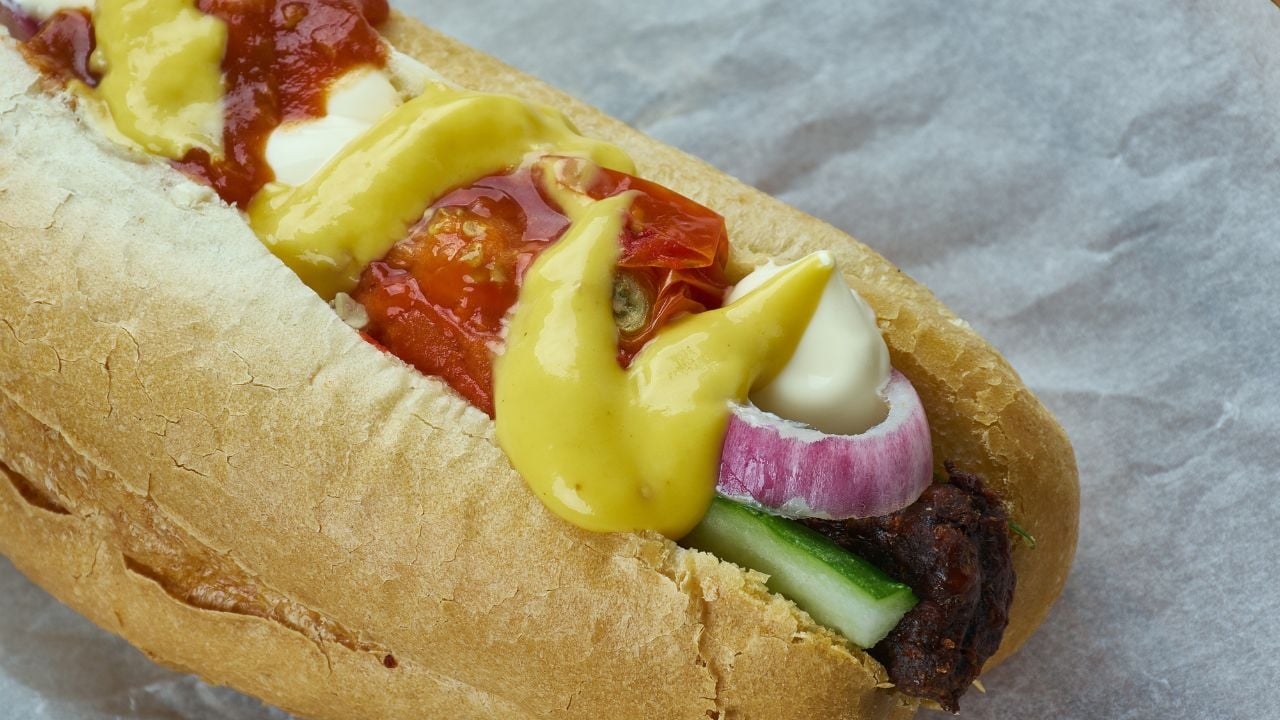
A Sonoran dog wraps an all-beef frank in bacon, grills it, and tucks it into a bolillo roll piled with pinto beans, chopped tomatoes, grilled onions, mayo, mustard, and jalapeño salsa.
Visitors walk up to a cart and ask for it plain, or worse, reach for the ketchup.
Big mistake.
Those toppings aren’t garnish. They’re the entire reason the dish exists, and skipping them turns a Sonoran hot dog into a regular hot dog with extra steps.
Close to 200 vendors, known as dogueros, sell them from carts parked in gravel lots around Tucson, many nights well into the early morning.
Order it “the works” and let the cart do what it does best.
2. Chimichanga
Tucson’s chimichanga started as an accident, and visitors still order it like there’s only one way to get it.
Family legend says Monica Flin, who opened El Charro Café in 1922, sent a burrito tumbling into the deep fryer, and swapped the curse word already halfway out of her mouth for “chimichanga” instead, since nieces and nephews were working the kitchen with her.
The fried burrito stuck around long after the accident, and so did the name.
Many visitors know to ask for a chimichanga.
Few know to ask for it wet.
Big difference.
A “wet” chimichanga comes smothered in red or green sauce with melted cheese poured over the top after it’s fried.
Order it without saying so, and a server defaults to “dry,” the plain fried version with nothing on it.
That’s the version many first-timers picture in their head and never get.
Ordering a Chimichanga Wet: Red or Green
Red sauce is Tucson’s traditional route for a wet chimichanga, while green chile is the newer, spicier pick many kitchens added later.
Saying “wet, red” or “wet, green” at the counter is enough for many kitchens to get it right.
Ask before the order goes back to the kitchen.
A table that flags it after the plate arrives is stuck with dry.
3. Cheese Crisp
A flour tortilla and a pile of shredded cheese make a cheese crisp at any Tucson kitchen, but visitors expecting a quesadilla are due for a surprise.
The tortilla goes under a broiler flat and open-faced, on a buttered metal pan, until the edges crisp and the cheese turns golden.
No fold, no filling, nothing tucked inside.
Visitors still ask for a cheese crisp folded or stuffed with chicken, and a Tucson kitchen has to explain that’s simply not the dish.
It comes sliced into wedges like a pizza instead, meant to be shared before the main course arrives.
4. Carne Seca
Carne seca means “dried meat” in Spanish, and visitors take that translation at face value.
“Can I get it extra dry, like beef jerky?” is a request more than one Tucson server has heard at the table.
Nothing like it.
At El Charro Café, strips of beef marinated in garlic and lime hang in a screened cage on the rooftop for 3-5 days, drying in the desert air above downtown Tucson.
Then the kitchen shreds it by hand and pan-fries it with green chile, onion, and tomato.
The plate that lands on the table is moist and saucy, nothing like the dry meat the name promises.
5. Frybread
Frybread’s story in Arizona starts in the 1860s, when the U.S. government forced the Navajo from their homeland on the 300-mile Long Walk and rationed them flour, salt, and lard to survive.
Many Navajo people carry that history into how they view frybread today, less a snack and more a mark of survival, a link between generations the 1868 treaty couldn’t erase.
The Tohono O’odham Nation came to frybread differently, through its own long tradition of wheat and bean farming in the Sonoran Desert, and claims the dish as part of that separate history.
Visitors who spot frybread at Arizona fairs, powwows, and trading posts often mistake it for the funnel cake sitting one booth over.
The dough tells a different story: Frybread is flour, salt, baking powder, and warm water fried in shortening, nothing more, while funnel cake adds eggs, milk, and sugar to the mix.
Order it at Cameron Trading Post, or at Fry Bread House in Phoenix, a James Beard Award winner owned by members of the Tohono O’odham Nation, where it comes two ways: Savory, piled with beef and beans as a Navajo taco, or sweet, dusted with honey and powdered sugar.
A visitor asking for “the funnel cake special” gets a puzzled look and a short lesson instead.
6. Green Corn Tamales
Order “the tamale plate” at a Tucson kitchen without naming a kind, and a visitor gets whatever red chile version the kitchen is running that day.
Green corn tamales look like ordinary tamales at a glance, but treating them that way misses the point entirely.
Cooks wrap standard tamales in dried corn husks and fill them with red chile and pork or beef.
The green corn version skips the dried husk.
Cooks scrape sweet corn straight off the cob, juice and all, to make a moist masa, then wrap the whole thing in the corn’s own fresh green husk instead of a dried husk.
That’s where the name comes from, not the color of any chile inside.
Restaurants like St. Mary’s Mexican Food serve red chile and green corn versions side by side, so saying the name out loud is the only way to be sure.
Psst! How many of these Arizona food and drink claims can you separate from the myths?
Tap each card to find out.
7. Prickly Pear Margarita
A prickly pear margarita throws visitors off the moment it hits the table, mostly because of its name.
“Go easy on the pear flavor,” visitors sometimes tell the bartender before the first sip arrives.
Wrong fruit entirely.
The prickly pear is the fruit of a desert cactus that ripens deep magenta each September, and its flavor lands closer to watermelon and bubblegum than anything from a pear tree.
Bartenders turn the fruit into a syrup, mix it with tequila, lime juice, and orange liqueur, and rim the glass with salt for a drink that turns a rosy pink instead of the usual green.
Order a prickly pear margarita expecting pear flavor, and the first sip is nothing but a surprise.
8. Bacanora
Bacanora is a Sonoran drink poured at bars across Tucson, made from agave angustifolia, not the blue Weber agave tequila requires, roasted in earthen ovens, then fermented and distilled twice.
That process puts the spirit somewhere between tequila and mezcal, drier and smokier than tequila but milder than many mezcals.
Visitors keep ordering bacanora like it’s tequila anyway, and a Tucson bartender usually has to explain why that’s not quite right.
Ask for “the tequila special” while pointing at a bottle of bacanora, and expect a friendly correction before the pour.
Sip it neat instead, in a glass built for swirling, never shaken into a cocktail.
9. Eegee’s
Eegee’s trips up visitors who assume the frozen drink works like a slushie.
Founders Edmund Irving and Robert Greenberg started the Tucson chain in 1971 out of a used vending truck, and named it after their own initials, E and G.
Visitors expect shaved ice and order it “extra icy.”
Wrong texture.
An eegee is smoother than that, made with pieces of fruit blended into something closer to soft-serve than shaved ice, with zero dairy in the mix.
Lemon is the flagship flavor, the same flavor Irving and Greenberg sold from that first truck outside high schools and concerts.
Order a lemon eegee at a drive-in window in Tucson, and a visitor gets exactly what generations of locals have been getting since decades before eegee’s ever opened a second location.
9 Things That Confuse First-Time Visitors to Arizona
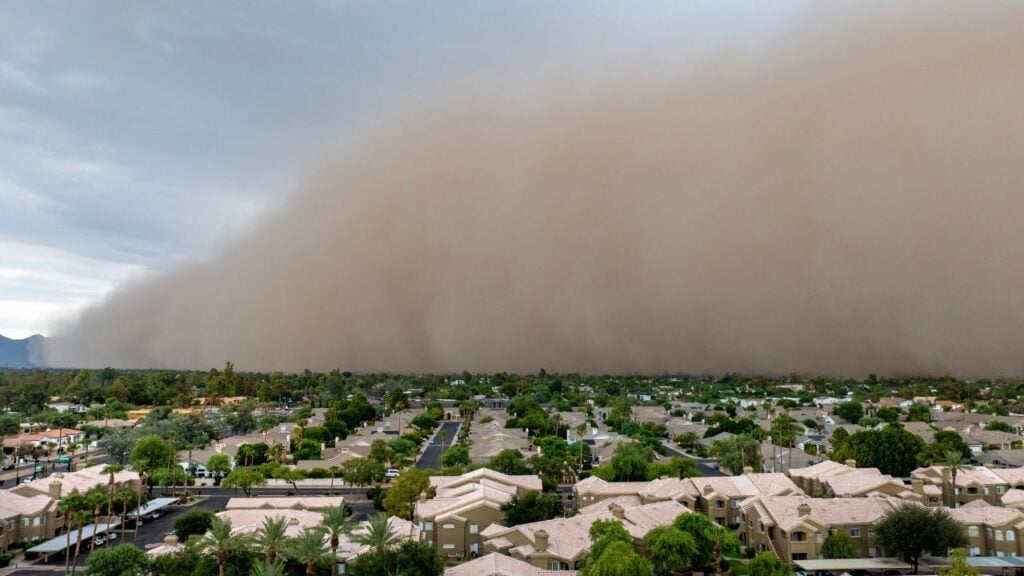
Cactus and sunshine are only the postcard version of Arizona that many tourists picture before they land.
Arizona comes with surprises well beyond the dinner table, including a few that catch newcomers seriously off guard.
