
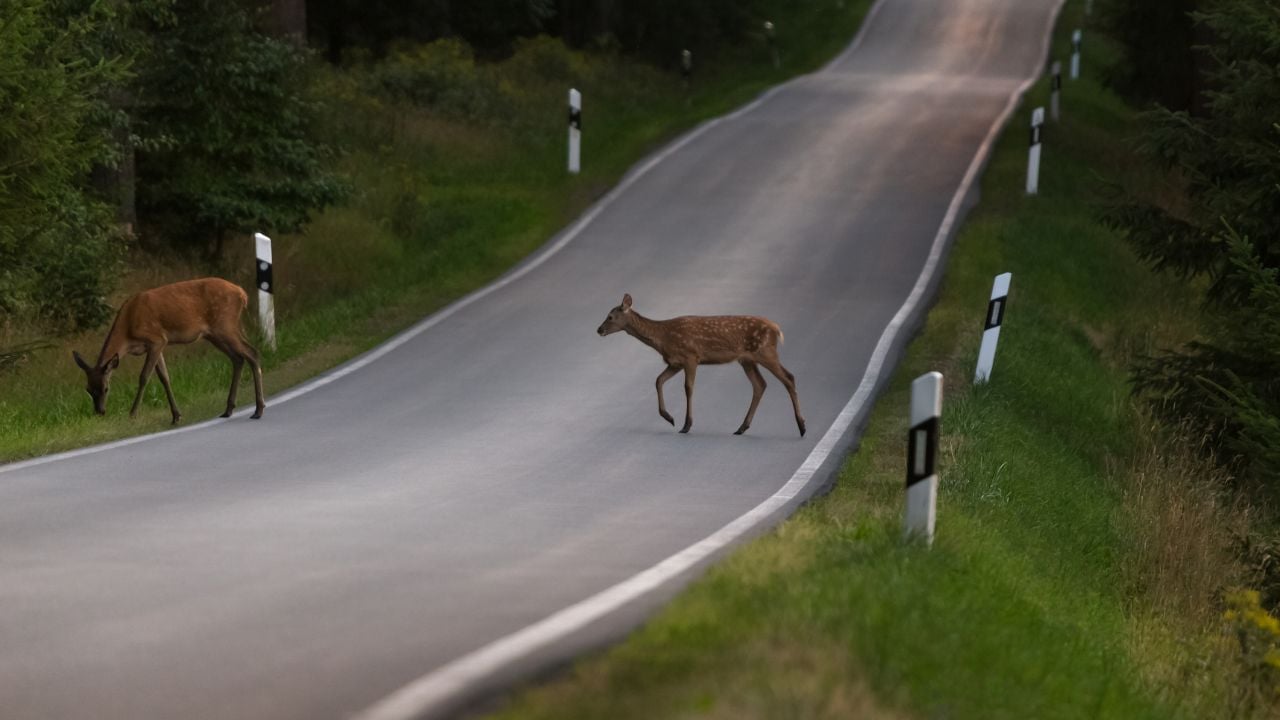
8 Things Pennsylvania Drivers Get Wrong After Hitting a Deer

A driver clips a deer on a two-lane road outside Lancaster, pulls onto the shoulder, and does exactly what feels right.
Often, much of it is wrong.
These are the things Pennsylvanians and tourists alike get wrong after hitting a deer.
Note: This is general information, not legal, financial, or insurance advice. Crash-reporting rules, insurance terms, and wildlife regulations are subject to change, so confirm crash-reporting requirements with PennDOT, insurance details with your insurer, and carcass-permit rules with the Pennsylvania Game Commission.
1. Skipping the Required Police Report
Pennsylvania drivers often assume a deer strike never needs a police call, and that’s not quite right.
State troopers only require a report when a vehicle can’t be driven away from the scene, or when someone’s hurt.
Miss that line, and a driver either skips a report they owed the state, or panics and dials 911 for a scrape that never needed a report.
Neither helps.
Pennsylvania State Police say the same thing every fall: If there’s an injury, a tow, or any doubt at all, call. If the car limps home with a cracked headlight and nobody’s hurt, the choice sits with the driver.
2. Filing the Damage Under the Wrong Coverage
Under Pennsylvania law, a deer strike counts as a not-at-fault crash, and that single fact decides which coverage picks up the bill.
Comprehensive coverage pays for deer damage, not collision coverage, and Pennsylvania law bars an insurer from raising a premium over a deer claim.
A different kind of claim.
The average deer-collision claim in Pennsylvania runs about $4,300, and filing it under the wrong coverage is one of the fastest ways that total rises.
Drivers who describe the damage to their agent like a two-car accident can end up on the wrong deductible, the deductible built for collision instead of comprehensive.
One phrase avoids the mix-up: Tell the agent a deer caused the damage, not another car.
What Comprehensive Covers in Pennsylvania
Pennsylvania’s no-surcharge rule only helps a driver who carries comprehensive coverage in the first place.
Comprehensive is optional.
A driver carrying only the state’s minimum liability insurance has no coverage at all for a deer strike, no matter whose fault the law says it is.
3. Approaching the Deer Themselves
Pennsylvania drivers who stop after a strike often walk toward the animal to check on it, and that instinct can backfire fast.
A frightened, injured deer can kick or slash hard enough to hurt whoever’s standing over it.
Stay back.
Insurers and state wildlife officials give drivers the same instruction: Keep your distance and let responders decide what happens to the animal, rather than checking on it yourself.
A deer that’s only stunned can bolt upright without warning, straight at whoever leaned in close.
4. Not Bracing for a Second Deer
Right after the first hit, with the car still stopped on that same Pennsylvania road, a driver who checks the bumper and pulls straight back into the lane has usually stopped watching for what comes next.
The Game Commission’s own guidance says deer often move in small groups and cross single file, so a deer that just caused one collision rarely made that crossing alone.
Another deer follows.
A driver who pulls back onto the road within a minute of the first hit, without scanning the shoulder first, is merging right back into the spot that just produced a collision.
Staying put long enough to scan that whole stretch, not just checking the damage and moving on, is the part many drivers skip in the minutes right after a hit.
Psst! How deer-collision-ready is your Pennsylvania drive? Run through this checklist and see where you stand.
5. Driving off With Hidden Damage
Back roads across Pennsylvania make it easy to assume a deer strike only dents a bumper, and that assumption sends damaged cars right back onto the highway.
Insurers warn drivers to check for leaking fluid, loose parts, tire damage, and a hood that won’t latch before treating the car as safe to drive.
Coolant looks like water.
A cracked radiator can leak slowly enough that the temperature gauge doesn’t move until the driver’s already miles down the road, and by then the engine is doing the damage.
A two-minute look under the hood, or a flashlight aimed at the ground where the car just sat, catches the obvious signs.
6. Keeping the Deer Without a Permit
Pennsylvania residents who want to keep a deer that died in the crash can’t just load it up and drive home.
State law requires calling the Game Commission for a free permit number within 24 hours of taking possession of the carcass.
No permit, no deer.
Antlers stay off-limits even with a permit, and inside a Chronic Wasting Disease management area, the head and backbone have to come out before the deer leaves that zone.
Skip the call, and a driver just trying not to waste the meat ends up holding wildlife they technically don’t have the right to keep.
7. Swerving Instead of Braking
Moments after the first hit, with a second deer suddenly in the headlights, many Pennsylvania drivers jerk the wheel instead of staying straight, and that reaction causes more harm than the deer would have.
Safety researchers found that braking in a straight line beats a swerve, since a sudden lane change so soon after a collision can send a rattled driver’s car leaving the road and into a tree or oncoming traffic.
Not worth the risk.
More than half of all U.S. traffic deaths already involve a vehicle leaving the road entirely, according to the Federal Highway Administration.
A driver who keeps both hands on the wheel and brakes hard in the same lane, even seconds after the first impact, almost always comes out better than a driver who swerves and loses control chasing an animal that’s already gone.
8. Calling the Wrong Number First
Several separate phone lines handle a Pennsylvania deer encounter, and drivers who dial the wrong line waste time they don’t have.
911 handles the crash itself, the Game Commission issues carcass permits, and PennDOT runs a separate line, 1-800-FIX-ROAD, just to send a crew out for a dead deer still blocking a state road.
Different job, different line.
Dial 911 hoping for a carcass pickup, or call the Game Commission expecting police backup, and the person answering handles a different job than the job that’s needed.
Why the Odds Shift Every Fall
Pennsylvania’s deer season for crashes doesn’t wait for hunting season to open.
Pennsylvania trails only West Virginia, Montana, Wisconsin, and Michigan for the odds of hitting a deer or other big animal, at about 1 in 62, and drivers nationwide see the same pattern build every autumn.
Breeding season does that.
Bucks travel farther chasing does through September and October, and shorter daylight puts more commuters on the road right when deer move most, at dusk and dawn.
A drive that felt routine in July can turn into a near miss by the time October’s cold fronts roll through.
9 Reasons Retirees Are Rethinking Pennsylvania in 2026
Pennsylvania’s lottery has poured more than $37 billion into programs for older residents since 1972, the only state lottery in the country built that way.
That reputation for taking care of retirees doesn’t always match what shows up on their bills.
9 Reasons Retirees Are Rethinking Pennsylvania in 2026
7 Pennsylvania Fair Foods That Sound Wrong but Taste Right
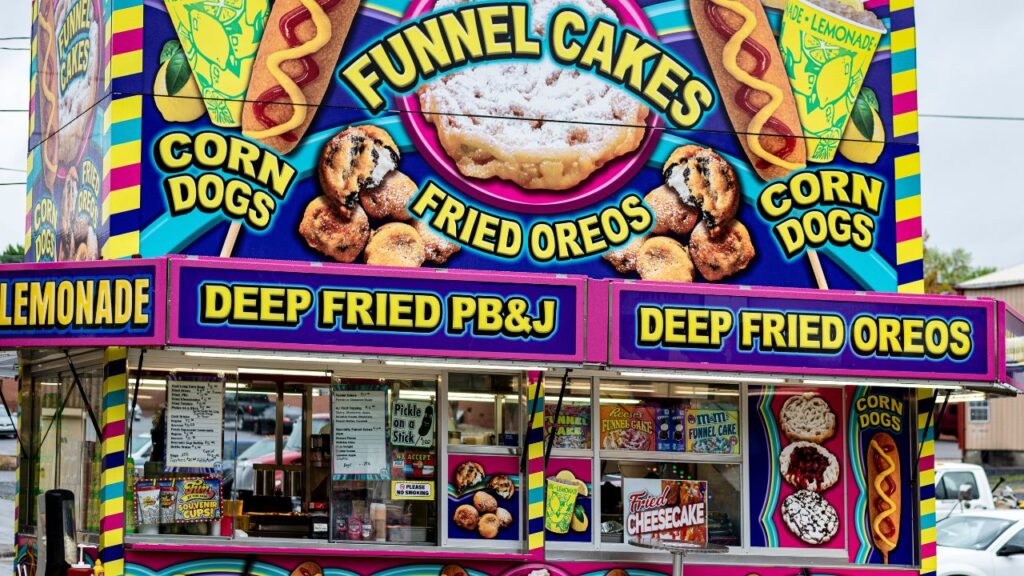
Pennsylvania’s county fair season fills grills and fry stations with food whose name alone trips up an order before the first bite.
A few of these dishes sound like a menu typo until a fork goes in.
