
7 Tennessee Scenic Drives Locals Refuse to Take on a Weekend

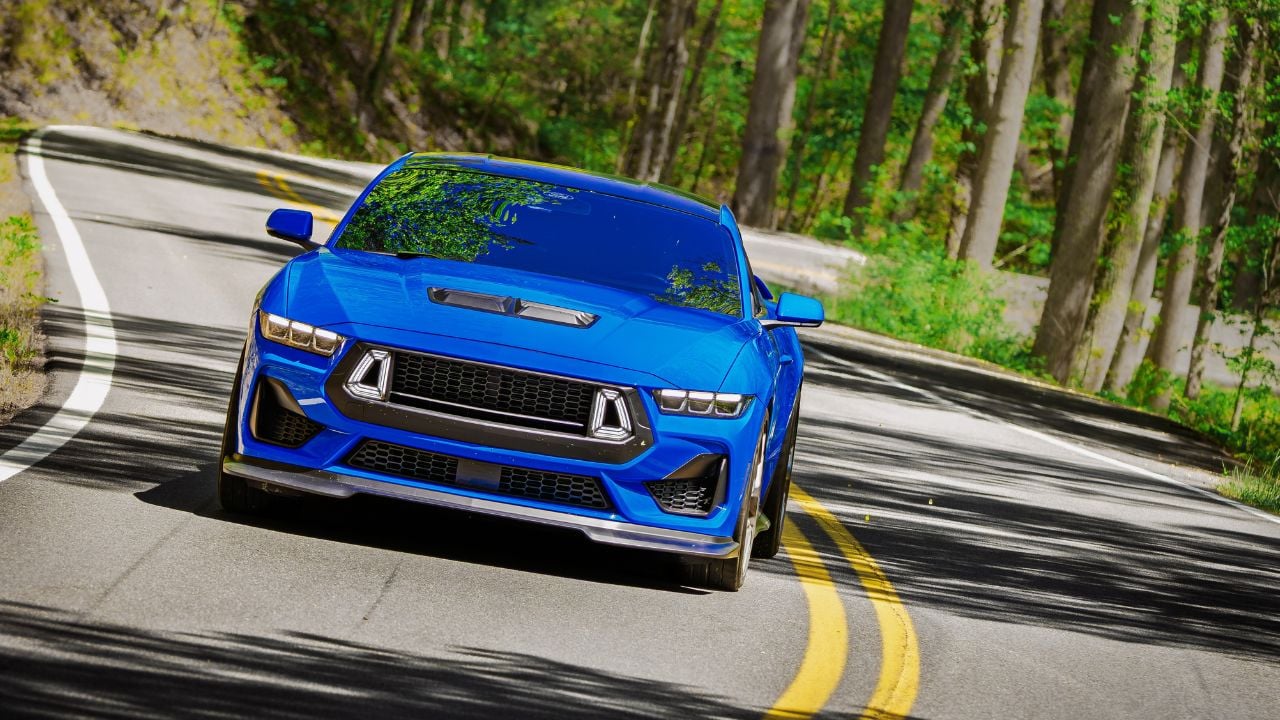
Tennessee has mountain roads worth driving with the windows down and nowhere else to be.
But on a Saturday, many drivers end up spending more time staring at the bumper ahead of them than the view outside.
These scenic routes in Tennessee are beautiful enough to draw a crowd and crowded enough to make locals with flexible schedules wait until the weekday to visit them.
1. Cades Cove Loop Road
Tennessee’s Cades Cove Loop Road is eleven miles of one-way pavement, and the Park Service tells drivers to allow two to four hours for it.
That estimate assumes everybody keeps moving.
The park’s own guidance warns that traffic runs heavy on weekends year-round, not only through summer and fall.
One stopped car turns the whole loop into a parking lot because nobody can pass on a one-way road.
There’s no shortcut out.
People who live near Townsend took the hint years ago and ride the loop on Wednesdays, when it closes to motor vehicles from early May through the end of September.
2. Newfound Gap Road
Tennessee’s Newfound Gap Road is the only paved road that crosses Great Smoky Mountains National Park, and it climbs from Gatlinburg to a pass above 5,000 feet.
People who live at either end of it take the crossing midweek and leave the weekend to the visitors.
The park publishes a congestion forecast for every date on the calendar, and its worst rating warns of full parking lots and heavily congested roads.
Weekends and holidays are the busiest days in the park, May through October.
The park’s 522,427 acres split almost evenly between Tennessee and North Carolina.
Nobody pays to get in.
Great Smoky Mountains National Park has never charged an entrance fee, so the number of parking spaces at the top does all the rationing.
What Tennessee’s Park Tag Doesn’t Buy
Tennessee’s Great Smoky Mountains National Park still asks for a parking tag on any vehicle left more than 15 minutes, entrance fee or not.
A tag runs $5 for a day, $15 for a week, or $40 for a year.
An America the Beautiful pass won’t cover it, and that includes the Senior, Access, and Military passes.
The tag buys no space either.
The Park Service says outright that a parking tag doesn’t guarantee you a spot.
A photo on your phone won’t do, since the paper tag has to sit in the windshield or face-up on the dashboard.
3. Tail of the Dragon
In Tennessee, eleven miles of US 129 near the North Carolina line carry 318 curves and a posted speed limit of 30 mph.
Riders come from all over the country for those curves, and they arrive in packs on a Saturday.
The Blount County Sheriff’s Office patrols the stretch with money from the Governor’s Highway Safety Office, after years of complaints from the families whose driveways feed onto it.
Deputies aren’t watching alone.
Photographers set up in the bends and sell the shots, which puts pedestrians on the shoulder of a 30 mph road full of people testing their brakes.
The sheriff’s office counted 27 motorcycle deaths on those eleven miles across a decade, more than the other 1,100 miles of road in the whole county put together.
4. Ocoee Scenic Byway
Tennessee got the first national forest scenic byway in the country, 26 miles of US 64 threading Polk County past Parksville Lake and the bluffs of the Ocoee River Gorge.
The road also passes the whitewater center that hosted the canoe and kayak slalom at the 1996 Olympics, on a mile-long course built into the Ocoee’s own riverbed.
That water arrives on a schedule.
The Upper Ocoee gets its releases on weekends from May through Labor Day, so outfitters put their whole fleet on two lanes of federal highway every Saturday morning.
Buses, raft trailers, and a few thousand paddlers all share that pavement, and there’s no room in the gorge to spread out.
Locals go on a Tuesday.
Psst! How ready is your next Tennessee mountain drive? Run through this checklist and see where you stand.
5. Natchez Trace Parkway
Tennessee holds the northern end of the Natchez Trace Parkway, a 444-mile run that starts outside Nashville and finishes in Natchez, Mississippi.
Commercial trucks can’t use the parkway at all, and the speed limit sits at 50 mph, dropping to 40 north of Leiper’s Fork.
Cyclists noticed years ago.
No trucks plus a low limit adds up to a favorite cycling road in Middle Tennessee.
Weekend groups ride out of Franklin and Leiper’s Fork in long lines, and a driver stuck behind a pace line on a two-lane parkway gets few chances to pass.
The double-arch bridge over Tennessee 96 collects its own Saturday crowd, half of it standing on the shoulder with a phone up.
6. The Snake
Northeast Tennessee’s piece of US 421 carries 489 curves across three mountains, and riders call it the Snake.
The route links Bristol to Mountain City, with the farm bowl of Shady Valley sitting in the middle.
Weekend rides are the whole point of the road, which is why the Country Store at the Shady Valley crossroads stocks Snake shirts next to the cold drinks.
Saturday belongs to the bikes.
Johnson County has no interstate and no four-lane alternative, so a farm truck heading to Bristol on a Sunday afternoon shares all three grades with a few hundred motorcycles.
Passing room on a mountain grade runs out fast.
7. Roaring Fork Motor Nature Trail
Tennessee’s Roaring Fork Motor Nature Trail starts at traffic light number eight in downtown Gatlinburg, which is the first problem on a Saturday.
The road itself covers 5.5 narrow miles, one way, and buses, trailers, and motor homes can’t use it at all.
The Park Service says demand for parking along it often exceeds capacity, so rangers tell visitors to arrive with a backup destination in mind.
You finish what you start.
Nobody turns around and nobody passes, so the Grotto Falls trailhead traffic and the Place of a Thousand Drips traffic pile into one line.
Add a Gatlinburg Saturday to the front of that, and you lose the afternoon to a 5.5-mile road.
Saturday Lost Its Bike Morning
Tennessee’s Cades Cove used to hand cyclists two mornings a week instead of one.
Before 2020, the Park Service closed the loop road to vehicles on Wednesday and Saturday mornings until 10 a.m., May through September.
The plan backfired.
Cars stacked up outside the gate waiting for ten o’clock, the developed area filled with parked vehicles, and drivers started leaving cars on road shoulders and in campsites.
A 2020 pilot traded the two half-days for one full day.
Wednesday is the day that stuck.
Motor vehicles have had every Saturday morning in the cove ever since.
Crowds Are Shrinking
Tennessee’s weekend crush is easing, at least on paper.
The Park Service counted 11,527,939 recreation visits in 2025, down from 12,191,834 the year before.
That makes two straight annual drops.
The gap is 663,895 visits.
The slide is younger than it looks: 2023 came in at 13.3 million, the park’s second-busiest year on record behind the 14,137,812 of 2021.
Every one of those visits lands on the same 384 miles of park road.
Five percent fewer visitors still funnel onto one eleven-mile loop and one two-lane crossing, on the two days everybody has off.
Zion finished second in 2025 with fewer than five million visits, and Yellowstone came third at roughly 4.8 million.
Great Smoky Mountains National Park sits within a day’s drive of more than half the U.S. population.
9 Tennessee Mountain Towns Locals Hope Tourists Never Find
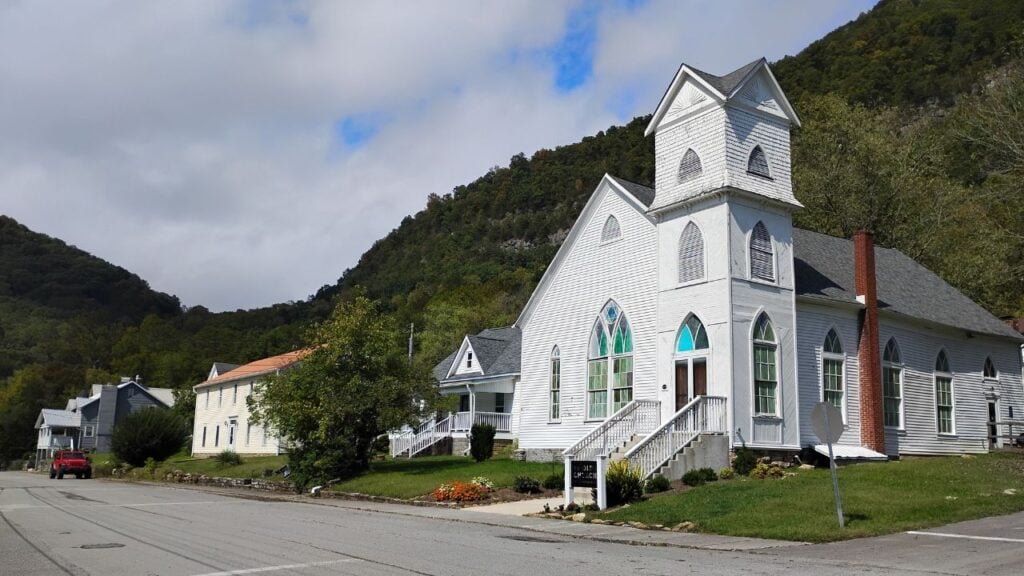
Ask a newcomer to name a Tennessee mountain town, and you’ll get the same three answers every time.
All three sit on one stretch of US-441, well short of a mountain country that runs from the Georgia line to the Virginia line.
9 Tennessee Mountain Towns Locals Hope Tourists Never Find
9 Tennessee Roadside Stops Locals Still Pull Over For
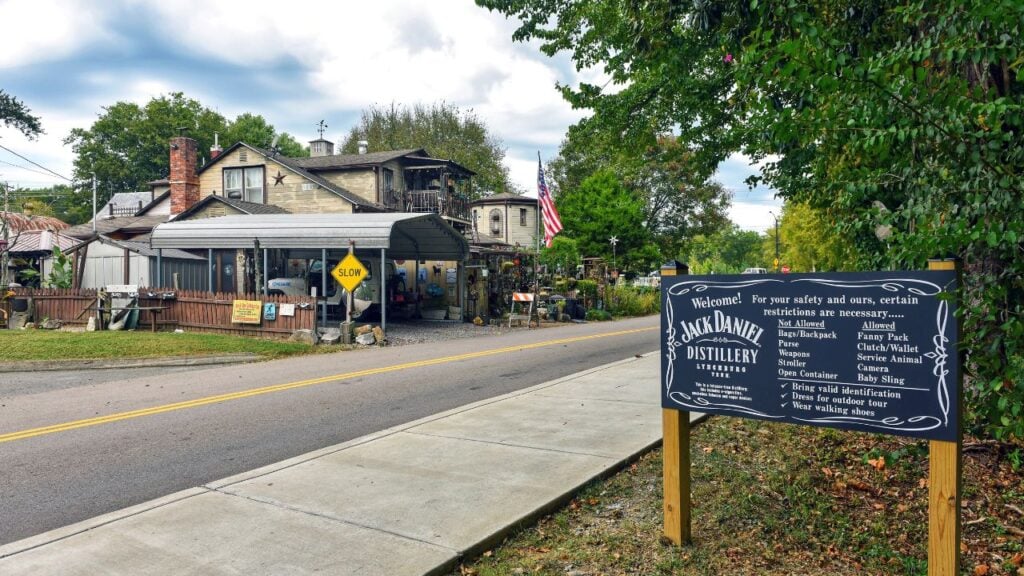
Somebody cuts the lights hundreds of feet under McMinnville, and the band on stage plays right through it.
Nobody in the crowd flinches, since Cumberland Caverns puts on full concerts inside one of the largest cave systems in the country.
