
8 Car Wash Charges California Drivers Pay Without Noticing

Pull into a California car wash for a $13 exterior special, and the number on your receipt can land nowhere close to $13.
The wash itself was the cheap part.
But extra charges piled on somewhere between the entrance and the dryer.
These are the car wash charges that catch California drivers off guard.
1. Your Membership Keeps Billing
Mister Car Wash notified its Modesto and San Joaquin Valley members in writing that their Base Exterior plan was moving from $19.99 to $22.99 a month, a change that took effect whether or not anyone read the notice.
Quick Quack and Sparkling Image bill California members the same way, monthly and automatically on a stored card.
Nobody approves it twice.
Selling the car, moving out of state, or switching to a wash down the street doesn’t automatically cancel a membership.
Only logging into the account, calling, or walking into a location does that.
Skip that step, and the same charge lands on the same day next month.
It lands again the month after that.
What a Forgotten Membership Costs
A California car wash membership billed at $22.99 a month and left running for a full year after the last actual wash adds up to $275.88.
That’s the same math that keeps a membership car wash profitable even as visits drop off because a stalled account pays exactly what an active one pays until the driver cancels it.
2. Extra Vehicles, Extra Charges
Quick Quack, the Sacramento-founded chain with locations across California’s Central Valley, the Bay Area, and Southern California, lets a member add up to four vehicles onto one account.
That sounds generous until your bill shows up.
Quick Quack’s own membership page confirms extra vehicles go on at a discounted rate, not for free, so a two-car household still pays for two washing privileges under one plan.
One membership, two separate charges.
Skip the fine print, and you might assume your second car rides along for nothing, then find a new line item on next month’s statement instead.
3. Drivers Rarely Revisit the Upsell
Quick Quack’s kiosk staff and self-checkout screens push new members toward the top-shelf Ceramic Duck tier the moment they sign up, priced only a few dollars above the base Good wash.
The pitch sounds small in the moment: A few extra dollars a month for a sealant that makes water bead off the paint.
It fades fast.
Drivers say yes at the kiosk, then rarely revisit the choice again.
Mister Car Wash runs a near-identical upsell into its Titanium 360 tier, layering a titanium dioxide mist, a wheel polish, and a carnauba wax onto the base exterior membership for a monthly bump many members couldn’t quote back if asked.
That few-dollar difference behaves exactly like the base membership: It renews automatically, on the same stored card, at the higher tier, every month a driver doesn’t actively ask to downgrade.
Nobody downgrades a car wash membership without a reason to think about it in the first place.
4. Interior Cleaning Costs Extra
Mister Car Wash builds its Full Service plan around a vacuum, a hand window cleaning, and a towel dry, and members pay a one-time $15 upgrade to add it, on top of the membership they’re already paying for.
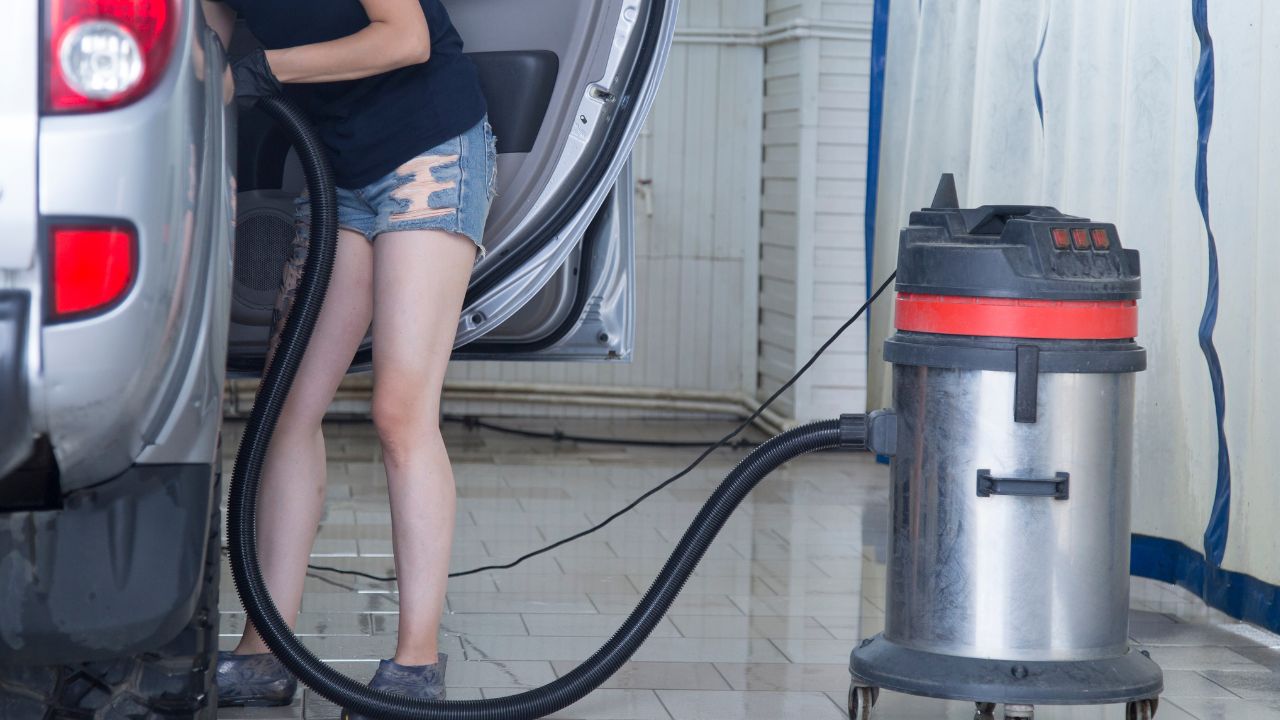
Free self-serve vacuums sit in the lot at nearly every express tunnel in California, and that part is free.
A hand vacuum from an actual employee costs more than a token in a machine.
Worth knowing before you upgrade.
Not every location even offers it, and speed-focused express tunnels, Quick Quack included, mostly skip the interior altogether and point drivers back to the self-serve bays instead.
Psst! Curious how your regular car wash stacks up against the rest of California? Type in a chain’s name, or tap a column, to sort every tier by price.
5. Your SUV Pays More
California’s tunnel washes size up a vehicle before it even reaches the entrance, and a full-size SUV, truck, or minivan often lands in a pricier category than a compact sedan for the exact same cycle.
The reason comes down to water and time.
A bigger vehicle needs more of both to rinse and dry completely.
That costs money.
Glance at the cheapest number on the sign, and it’s easy to assume it covers whatever you’re driving that day, right up until the total on your receipt says otherwise.
6. Paying by Card Changes the Bill
Self-serve wash bays across California still run on old-school meter boxes, and the newer credit card readers bolted onto them work differently than the coin slot ever did.
A cash payment counts down.
Feed the meter coins, and a timer ticks toward zero.
A warning horn sounds, then the water shuts off right on schedule.
A card payment counts up instead, with no horn and no countdown, and you have to press a stop button yourself to end the transaction and see the final charge.
No rush.
Equipment vendors interviewed by the trade publication Professional Carwashing & Detailing say that setup alone has pushed some operators’ average card ticket up by as much as 50% over a cash transaction on the same bay.
Same water. Same soap. The only thing missing is the horn that would have told you when to stop.
7. Tire Shine Isn’t Included
Self-serve bays and vacuum stations across California sell more than time at the meter, and tire shiners and air dryers are common paid extras bolted onto the equipment, according to the same trade coverage.
The tire shine pad usually needs its own coin or card swipe, separate from the wash or the vacuum you just paid for.
Separate machine, separate charge.
Air dryers work the same way at bays that have them, a paid add-on next to the vacuum instead of folded into it.
Feed quarters into the wash bay, and you rarely walk over to check what the tire shine pad or the air dryer charges on its own, so your total rises a machine at a time without anyone adding it up.
8. Kiosk Screens Pad the Total
Many full-service hand-wash tunnels across California, the kind where a crew dries the car by hand and wipes down the dash before pulling it out, run payment through a card reader that adds its own line before the sale closes.
The screen doesn’t ask if you want to leave something extra.
It just adds it.
It offers preset amounts, commonly 15% to 20% of the wash total, built into the same swipe that pays for the wash.
Skipping it means hunting for a smaller “custom amount” or “no thanks” button tucked below the preset choices, a design a 2025 Bankrate survey found 38% of Americans find irritating enough to notice.
The price on the board out front never included that amount, but the total on the receipt already has.
Card processors route that preset amount into the same tip pool crews have split for decades, so from the crew’s side the charge works exactly like the cash tip it replaced.
Decline the preset amount at the kiosk, and the crew still finishes the wash, but the driver is the one who has to find the smaller button many screens bury on purpose.
10 Things California Residents Can’t Legally Toss in a Household Garbage Bin
Scrape tonight’s dinner plate into the kitchen trash, and in California you might be breaking a state law.
Food scraps are only the start of what the household bin won’t legally take.
10 Things California Residents Can’t Legally Toss in a Household Garbage Bin
9 Things Californians Do That Instantly Give Them Away in Another State
Regular gas in California runs about $1.50 more per gallon than the national average, according to AAA, the widest gap of any state in the country.
That kind of math rewires a person, and the habits show up the moment a Californian crosses state lines.
9 Things Californians Do That Instantly Give Them Away in Another State
