
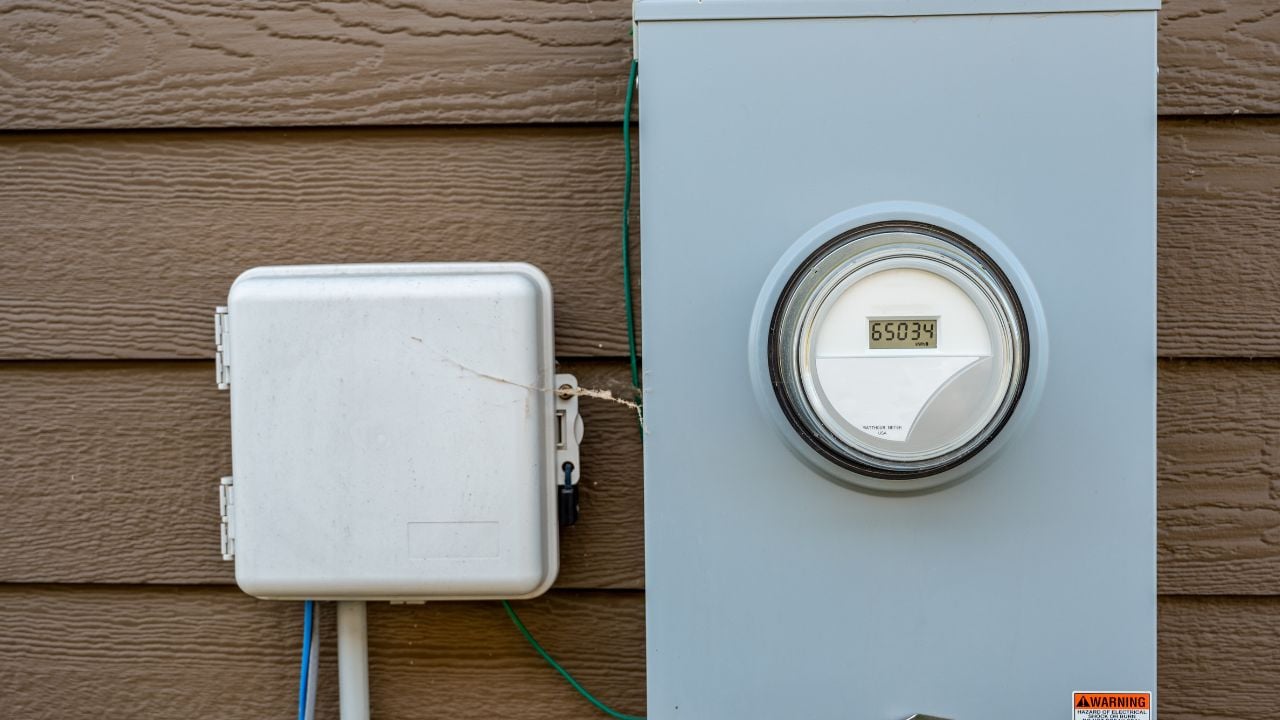
8 Utility Shutoff Rules Many Ohio Customers Learn About Too Late

Ohio requires a utility to give a customer 14 days’ written notice before cutting off power or gas.
That much is public record.
What isn’t always advertised is everything that can undercut it: A program that only works once, a deadline tied to a date nobody’s tracking, and a protection that disappears the moment a season changes.
These are the Ohio utility shutoff rules that customers usually learn about only after it’s already too late.
Note: This is general information, not legal or financial advice. Utility disconnection and reconnection rules vary by provider and are subject to change. Customers of an investor-owned utility can confirm current requirements with the Public Utilities Commission of Ohio (PUCO); municipal and cooperative customers should confirm directly with their provider.
1. Ten-Business-Day Reset
Ohio utility customers who let a shutoff run past 10 business days aren’t just late on a bill anymore.
State rule lets the utility treat the account like a brand-new application.
That means a deposit, plus up to three business days to physically restore power or gas instead of the usual next-business-day turnaround.
The old account simply stops existing.
What started as a missed payment turns into a whole new setup process, deposit included.
The Math Behind a New-Customer Deposit
Ohio caps a new-customer deposit at one month of a household’s own estimated bill, plus 30 percent.
The number moves with usage, not a flat statewide fee.
A customer with a monthly winter gas bill around $140, a realistic figure for an Ohio provider like Columbia Gas of Ohio, could be asked for a deposit as high as $182 under that formula.
That deposit sits on top of the overdue balance and any separate reconnection fee already on the account.
2. Your Bill’s Fine Print Doubles as the Legal Notice
Ohio utilities don’t have to mail a scary red envelope before cutting off service.
State rule lets a company satisfy the legally required 14-day shutoff warning with a single line printed on the regular monthly bill.
There’s no separate letter.
Nothing about it looks urgent.
A customer who tosses a Duke Energy Ohio or Ohio Edison bill in a drawer without reading past the total due can miss the exact sentence that started the countdown.
Some customers don’t realize the clock already started until a shutoff crew shows up at the meter.
3. Smart-Meter Notice Gap
Ohio utilities skip the doorstep entirely for customers with a smart meter.
Customers without one get a required in-person visit before disconnection.
If nobody answers, the utility has to post a written notice somewhere visible on the property.
Smart-meter customers get a phone call or a text message instead.
Miss that call, or a text buried in a stream of other messages, and there’s no paper taped to a door to catch anyone’s eye later.
The shutoff still moves forward exactly the same.
4. One Reconnect Order, One Chance Each Winter
Ohio’s Special Reconnect Order allows exactly one use per utility each heating season, which runs mid-October through April 15.
Inside that single use, the program caps what a struggling household owes at $175, regardless of income, to avoid or reverse a shutoff.
It’s one shot a year.
A household that spends it fixing a November shutoff finds the program already used if that account falls behind again in February, with no second $175 lifeline before the following winter.
5. PIPP Anniversary Deadline
Ohio’s Percentage of Income Payment Plan (PIPP Plus) bills eligible customers a set share of household income instead of their actual usage.
Pay it in full and on time every month, and the account also earns a credit toward old debt.
PIPP Plus runs on an anniversary date, though.
A household has to be caught up on payments by that date each year, with only one extra billing cycle to close any gap.
That’s one cycle, no more.
Fall short, and Ohio removes the household from PIPP Plus altogether, discount and debt credit both.
6. Only Three Medical Waivers a Year
Ohio lets a doctor sign a 30-day medical certificate that delays or reverses a shutoff when losing power would endanger someone in the home, or when the household depends on equipment plugged into the wall for medical care.
Almost nobody clocks the fine print: That certificate works only three times in any 12-month stretch.
Three is the cap.
A family managing a health crisis that outlasts three billing cycles finds there’s no fourth form to file, no matter what the doctor writes.
7. Winter Protections Expire Right on Schedule
Ohio adds an extra layer of protection to utility shutoffs between Nov. 1 and April 15.
Any disconnection in that window needs a second contact, at least 10 days ahead, delivered by phone, in person or a hand-delivered notice.
The extra protection disappears the next morning once that window closes.
It allows no exceptions.
A utility can go back to disconnecting with just the standard 14-day notice and no second layer of contact.
Customers who assume winter rules stretch into spring find that protection already gone the week they need it most.
8. Does Paying the Bill Turn the Power Back On?
Paying off an overdue Ohio utility bill doesn’t automatically flip the lights back on.
The company can also charge a separate reconnection fee, generally running $15 to $60, before it restores service.
Under the Special Reconnect Order, that fee is capped lower, at no more than $36.
Outside that program, it isn’t.
A customer who scrapes together the exact overdue balance and nothing else can still be waiting on the utility to send someone out and turn things back on.
Who These Rules Don’t Cover
Ohio’s shutoff protections only bind the utilities that the Public Utilities Commission of Ohio regulates.
Customers of a municipal system, like Cleveland Public Power, or a member-owned cooperative, fall outside PUCO’s authority entirely.
That surprises many people.
State law defines those providers separately, so the 14-day notice, the winter contact rule and the $175 reconnect cap aren’t automatic guarantees everywhere in Ohio.
Municipal and cooperative customers still have consumer protections under general Ohio law.
They just aren’t the same protections PUCO enforces on the rest of the state’s utility customers.
Psst! How much do you know about Ohio’s utility shutoff rules? Guess myth or fact on each one before you tap.
Getting Help Before a Shutoff
Ohio splits utility help across a few different offices, and mixing them up wastes time.
Know which one to call.
The Public Utilities Commission of Ohio handles complaints and enforces the rules above, reachable at 1-800-686-7826.
The Office of the Ohio Consumers’ Counsel represents residential customers and publishes plain-language guides utilities don’t hand out at the counter.
PIPP Plus enrollment runs through local Community Action Agencies, not the utility itself, reachable through energyhelp.ohio.gov or 1-800-282-0880.
The same income line that qualifies an Ohio household for PIPP Plus, 175 percent of the federal income guidelines, also opens the door to the Winter Crisis Program, which pays to restore or maintain heat between Nov. 1 and March 31.
8 Lease Mistakes Costing Ohio Renters Hundreds of Dollars

Ohio hands renters more money-saving rights than many leases bother to spell out.
The deadlines and the fine print only pay off if a tenant knows they exist before they need them.
8 Lease Mistakes Costing Ohio Renters Hundreds of Dollars
9 Signs You Grew Up in Ohio, No Matter Where You Live Now

Ohio flies the only state flag in the country that isn’t a rectangle, and state law spells out exactly how to fold it.
Growing up around that kind of state pride leaves marks that follow Ohioans long after they’ve moved away.
