
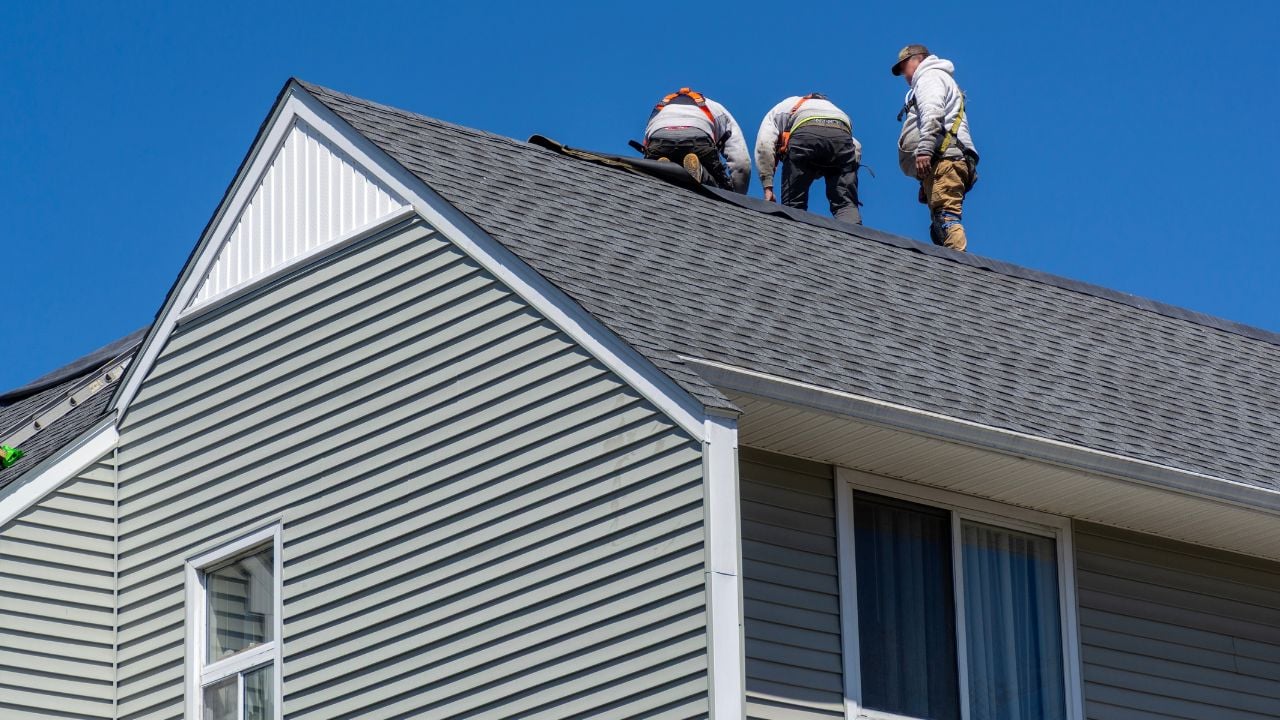
8 Home Insurance Discounts New York Owners Qualify For and Never Receive

New York homeowners pay close to $1,660 a year for home insurance coverage.
A portion of that number is more negotiable than many policyholders realize.
These are the home insurance discounts many New York owners already qualify for and don’t always receive.
Note: This is general information, not insurance advice. Coverage and terms are subject to change, so check the specifics with your insurer or agent.
1. Your Dead-Bolts and Alarms
New York already lets an insurer shrink your bill for the dead-bolt lock you installed years ago and forgot about.
This credit chips at that $1,660 yearly bill without costing you a cent.
State law allows a premium reduction for a dead-bolt lock, a smoke alarm, a sprinkler system, or a fire extinguisher.
Free money.
New York’s recognized discounts split those four items into two related categories: The dead-bolt and the alarm fall under theft prevention, and the sprinkler system and the fire extinguisher fall under fire prevention.
New York Central Mutual (NYCM), a homegrown insurer based in Edmeston, runs its own version: The Protective Device Discount.
An agent won’t apply it automatically.
Call, list what’s already on the door and in the hallway closet, and ask for the credit by name.
2. Five Years Without a Claim
New York homeowners who haven’t filed a claim in five years are often sitting on a credit no insurer volunteers.
It isn’t a state mandate.
NYCM prices it into every policy as the Claim Free Discount instead, and the credit follows anyone without a claim in the past five consecutive years, no matter which company held the policy before.
That’s the part that trips people up.
Switch carriers after a clean run, and NYCM still credits the years spent claim-free somewhere else.
Ask your own insurer whether they reward a long claims-free stretch the same way.
3. Smart Water Shutoff Devices
New York’s Department of Financial Services lists smart water monitors and automatic shutoff devices among the discounts it recognizes for homeowners insurance.
That water damage prevention category stays separate from fire prevention, and separate from the storm-shutter credit state law requires insurers to honor.
It’s its own category.
A leak sensor under the kitchen sink or a valve that shuts off the main line during a burst pipe both qualify.
New York’s housing stock is the oldest in the country, with a median age of 64 years, and pipes that old tend to fail behind a wall long before anyone notices.
The device does nothing for your bill sitting in its box.
Report the installation to your insurer, usually with a receipt or a photo, before the credit shows up on a renewal.
4. Your Brand-New Roof
Your brand-new roof is worth more to a New York insurer than many homeowners realize once the invoice is paid.
New York recognizes roof renovations, wind-resistant materials, and reinforced roof-to-wall connections as reasons to lower a premium.
NYCM goes further with a Renovation Discount for homes 20 years or older, once a homeowner has proof the roof was replaced, plus proof the primary heating system was replaced within the last 10 years.
Keep the paperwork.
An insurer wants the invoice, the date, and often the roofer’s license number before the credit lands on your policy.
Skip that step, and the new roof only protects your house, not your wallet.
5. Retirement and Reduced Hours
New York homeowners easing into retirement can qualify for a discount that comes from one insurer’s pricing, not a state-mandated category.
NYCM’s Retirement Discount applies once every policyholder on the account is 55 or older, and at least one of them works fewer than 20 hours a week.
You don’t have to be fully retired.
Part time is enough.
That’s the detail many homeowners miss.
The insurer has no way to know your work hours changed unless you’re the one who calls.
6. Buying Your Home Recently
New York homeowners who closed on a house in the last year are often eligible for a credit that one insurer offers, not a category the state requires across the board.
NYCM’s Home Buyer Discount applies to anyone who purchased their home within 12 months before or on the date the policy starts.
Nobody flags it.
The mortgage broker isn’t thinking about your insurance discount. Your insurance agent doesn’t automatically know your closing date either.
Mention the purchase date the first time you talk to your agent, and don’t assume it’s already on file.
7. Green-Certified Upgrades
New York rewards homeowners who hold a green-building certification, not just a house with newer appliances.
The state’s discount list names Leadership in Energy and Environmental Design (LEED) certification by name as a reason an insurer can lower your premium.
NYCM’s Green Discount asks for that LEED certificate, or proof the home meets the National Association of Home Builders (NAHB) Green Building Guidelines.
A contractor who installs solar panels or a high-efficiency furnace rarely explains that the paperwork behind the job might be worth a discount too.
Ask for it.
Save every certificate connected to a renovation, even the paperwork that feels like it belongs in a filing cabinet, not an insurance file.
8. Storm Shutters and Hurricane Windows
New York doesn’t leave this one up to the insurance company.
State law requires an actuarially appropriate rate reduction for homes fitted with hurricane-resistant storm shutters or hurricane-resistant laminated glass windows and doors.
No insurer skips it.
Insurers can choose whether to offer many of the discounts on this list, but the storm-shutter and hurricane-window credit isn’t one of those choices.
Long Island and other coastal New York homeowners are best positioned to qualify, since the standard is built around wind-borne debris protection.
Long Island homeowners who already have hurricane shutters or impact-resistant windows sometimes find the discount missing from a renewal anyway, since an insurer can undercount coverage details a previous policy never recorded.
Ask your agent to confirm the credit is listed as a required New York discount, not a voluntary one, and request the adjustment in writing if it’s missing.
Why New York Guarantees Just One of These
New York Insurance Law Section 2346 uses two different words for these discounts, and the difference decides who has to honor them.
For a dead-bolt, a smoke alarm, or a fire extinguisher, the law says an insurer “may” cut your premium.
That leaves the choice with the company.
For hurricane shutters and hurricane-resistant windows, the same law says an insurer “shall” provide the reduction, which removes the choice.
If a New York insurer denies you this one credit, you have state law behind you when you push back.
Psst! You just read eight New York home insurance discounts. How many have you claimed? Run through this checklist and see where you stand.
9 EBT Rules New York Wegmans Shoppers Get Wrong in 2026
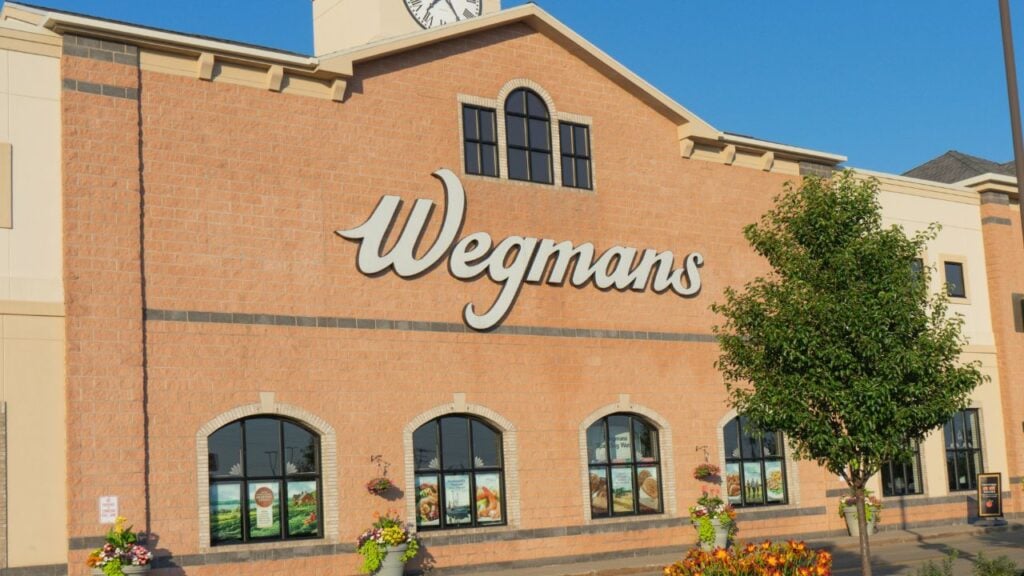
Wegmans takes Electronic Benefit Transfer (EBT) cards funded by the Supplemental Nutrition Assistance Program (SNAP) at every New York store.
New York sent close to $6.5 billion in SNAP food assistance to residents in 2024, and a lot of that money crosses a Wegmans scanner every week.
9 EBT Rules New York Wegmans Shoppers Get Wrong in 2026
8 Scams New Yorkers Are Falling for in 2026, and How to Spot Them

One well-known New York scam starts with a knock at the door, a tablet, and a free roof.
Nothing about the pitch sounds like a crime, whether it comes from a porch in Broome County or a caller who already knows your power company’s name.
8 Scams New Yorkers Are Falling for in 2026, and How to Spot Them
