
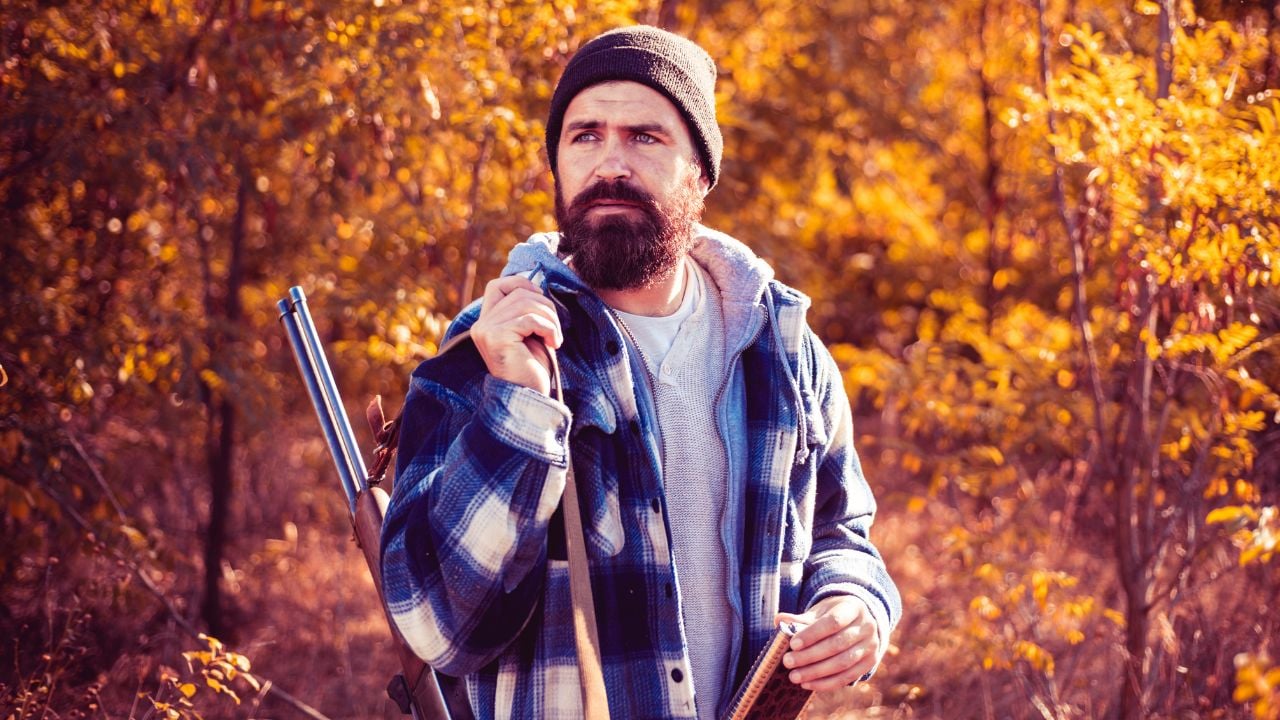
8 Pennsylvania Hunting Rules First-Time License Buyers Get Wrong

Pennsylvania’s small game season opens Saturday, September 12, the first test this year for every hunter who bought a Pennsylvania license for the first time.
Many new buyers assume that license covers everything they plan to hunt this fall.
It doesn’t.
These are the Pennsylvania hunting rules that trip up first-time license buyers before they ever reach the woods.
Note: This is general information, not legal advice. License requirements and hunting regulations are subject to change, so confirm the current rules with the Pennsylvania Game Commission.
1. Bear Hunting’s Separate License
Pennsylvania’s general hunting license covers one antlered deer, a fall turkey, a spring turkey, and small game.
Many first-time buyers assume black bear rides along with that list.
It doesn’t.
A resident bear license runs an extra $16.97 on top of the $20.97 base license, and Pennsylvania requires it before a hunter can legally tag a bear, archery season included.
Buy only the base license, and you can’t legally tag a bear that steps out in front of your stand.
2. Antlerless Deer’s Separate License
You won’t tag a doe on Pennsylvania’s general license, since that tag covers one antlered buck and nothing else in the deer woods.
Antlerless deer need a license of their own, and Pennsylvania is selling more of them this license year than ever, 1,469,000 across every Wildlife Management Unit (WMU) statewide.
Buy before Monday, July 13 at 7 a.m., and Pennsylvania guarantees a resident hunter an antlerless license in the exact WMU of their choice, not just somewhere in the state.
Wait past that window, and the risk flips: Nonresident sales open at 8 a.m. that same day, and a first-time buyer’s preferred WMU can sell out before they finish checking out.
That’s the actual trap.
The Round Pennsylvania Opens Aug. 24 for WMUs 5C and 5D
Pennsylvania sells whatever antlerless licenses remain after July 13 in four rounds, and each round loosens the personal limit a little more.
By the fourth round, opening Monday, Aug. 24, hunters can buy additional tags up to six unfilled antlerless licenses statewide, or 15 in WMUs 5C and 5D.
That 15-tag limit doesn’t kick in until Round 4. Before then, WMUs 5C and 5D follow the same round-by-round purchase caps as the rest of the state.
3. Migratory Birds’ Three Separate Steps
A duck blind or a dove field falls completely outside Pennsylvania’s general hunting license.
Waterfowl, doves, woodcock, and half a dozen other migratory birds need a Pennsylvania migratory game bird license of their own, priced at $3.97 for residents.
That license alone isn’t the whole checklist.
Every buyer also answers a Harvest Information Program (HIP) survey through Pennsylvania’s licensing system, and anyone 16 or older chasing waterfowl needs a federal duck stamp too, currently $25 and signed across the face before it counts.
Three steps, not one.
Stop at the state license alone, and you’re missing two more pieces before that first teal ever flies.
4. Sunday Hunting Without Waterfowl
Pennsylvania didn’t invent Sunday hunting this year. The state allowed hunting on a limited number of Sundays starting in 2019, and Act 36 of 2025 removed what restrictions were left, so nearly every 2026-27 season now runs straight through its Sundays instead of pausing for them.
First-time buyers who heard about that change often assume it covers everything.
Not everything.
Waterfowl, woodcock, and mourning doves stay closed on Sundays under federal rules that govern migratory bird seasons nationwide, and Pennsylvania’s 2026 spring gobbler season skips Sundays too, with Sunday turkey hunting arriving in 2027.
Plan a Sunday duck hunt around the new rule, and you’re planning around a season that still doesn’t exist.
5. Paper Tags First
Pennsylvania still runs on a physical harvest tag for every deer, bear, and elk, not a phone screen.
New hunters who’ve filled out many digital forms this year assume a photo of that tag on their phone counts as proof. It doesn’t, not yet, and neither does a text to a buddy.
The state’s 2026-27 digest is direct about the order of operations: A hunter fills out the tag in pen and attaches it to the animal’s ear before moving the carcass anywhere.
No exceptions.
Pennsylvania has been developing an electronic tagging option for deer and turkey hunters, but it isn’t live for the 2026-27 license year, so the ballpoint pen stays mandatory gear.
Psst! How much do you know about Pennsylvania’s wildlife comeback? Take our quiz and see how many you can get right.
Quiz
Pennsylvania Wildlife IQ
Answer these questions on Pennsylvania’s wildlife comeback stories and hunting history. We bet you can’t get them all right. Prove us wrong?
Pennsylvania brought its first elk back to the state by train in 1913. Where did those elk come from?
6. Reporting After Tagging
Pennsylvania treats tagging and reporting as two separate jobs, and many first-time hunters think finishing one finishes both.
Not the same job.
A hunter who tags a deer or turkey still has 10 days to report that harvest online at HuntFishPA, by phone, or by mail.
Bear and elk move faster.
Pennsylvania requires hunters to bring those animals to a check station within 24 hours, not ten days.
Skip the report, and your tag never becomes a finished harvest in Pennsylvania's books.
7. Blaze Orange Rules by Season
Pennsylvania's fluorescent orange rule changes with the season a hunter is in, and that trips up many first-timers moving between bow and gun.
During firearms deer, bear, and elk seasons, plus every small game season, a hunter needs 250 square inches of solid orange on the head, chest, and back combined, visible from every direction.
Bow season flips that.
Archery-only seasons for deer, bear, and elk carry no orange requirement at all, and neither does turkey, waterfowl, or furbearer hunting.
Gear up in blaze orange for archery season, and you didn't need to. Skip it heading into firearms season, and you're breaking Pennsylvania's rule.
8. Mentored Permits' 2026-27 Rule Change
Pennsylvania's Mentored Hunting Program sets no minimum age, so a first-time buyer taking their own kid into the woods doesn't need to wait for Hunter-Trapper Education first.
None at all.
New for 2026-27, mentored hunters under 7 receive harvest tags with their permit, something the program never handed over before, and an easy detail to miss if you bought a mentored permit for your child last season.
Bear hunting stays off-limits to a mentored hunter under 7. Once your child turns 7, they can hunt bear too, as long as you buy them their own bear license. Either way, they stay within arm's reach of you while carrying a hunting device.
That same permit lets you bring a mentored adult hunting too, someone 17 or older who never finished Hunter-Trapper Education, as long as they stay within your sight and close enough to hear your directions.
Assume the old under-7 rule covers every mentored hunter, and you'll get it wrong on your very first trip out.
9 Slang Words From the 1960s That Make Young Pennsylvanians Cringe

A black-and-white rerun plays during a family dinner in Erie, and someone's dad delivers the punchline out loud a half-second before the actor on screen gets there.
The kids at the table just look at each other because half of what he says next won't make sense to anyone under sixty.
9 Slang Words From the 1960s That Make Young Pennsylvanians Cringe
7 Pennsylvania Diner Rules Regulars Follow Without Being Told

The back door of a diner on Pittsburgh's West End swings open around seven every morning, and the same regulars walk in and sit in the same seats.
Nobody says a word before the coffee shows up because Pennsylvania diners run on rules nobody bothered to post.
7 Pennsylvania Diner Rules Regulars Follow Without Being Told
