
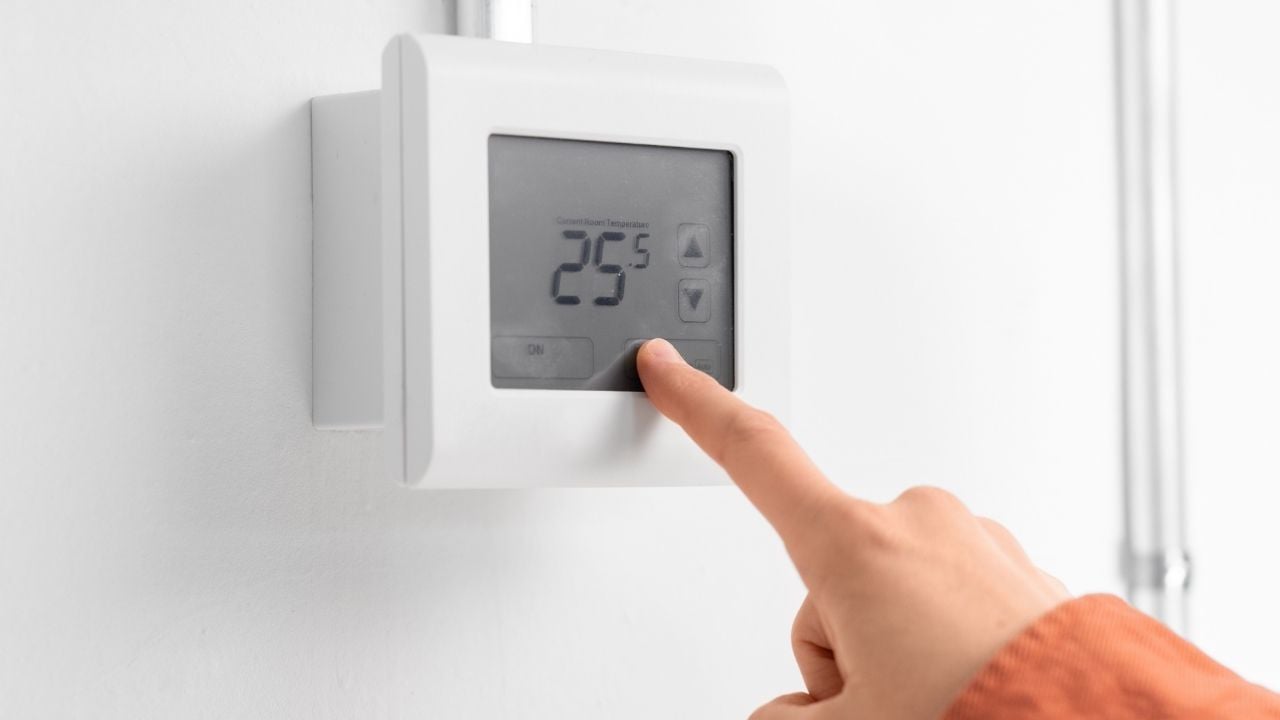
6 Heating Assistance Programs New Yorkers Miss Before the Shutoff Rules Kick In

New York requires utility companies to give at least 15 days’ notice before cutting someone’s heat between November and April.
That’s the law.
The notice delays the shutoff, but it doesn’t cover your bill.
These are the heating assistance programs that do, and many New Yorkers miss them.
Note: This is general information, not financial or legal advice. Program rules, income limits, and application windows are subject to change.
1. Missing Regular HEAP’s Deadline
Regular HEAP, New York’s Home Energy Assistance Program (HEAP), pays eligible households toward their heating bill once each program year, whether the home runs on oil, natural gas, electricity, or wood.
In the most recently reported season, federal fiscal year 2025 (October 2024 through September 2025), New York authorized this benefit for almost 1.7 million people, worth more than $375 million altogether.
That’s a lot of households.
It’s also not automatic.
You have to file for HEAP again every single season, even if you got it last year and nothing about your income changed.
If you miss the window, that year’s benefit is gone for good.
Who Skips HEAP’s Income Math
New York waives HEAP’s income test for anyone already receiving Supplemental Nutrition Assistance Program (SNAP) benefits, Temporary Assistance, or Code A Supplemental Security Income (SSI) living alone.
Those households qualify automatically, with no separate income calculation to submit.
2. Skipping Emergency HEAP
Emergency HEAP is a different heating assistance benefit than Regular HEAP, built for a crisis rather than an ordinary bill.
It’s for a household whose heat or electric service is already shut off, scheduled to be shut off, or whose fuel tank is close to empty.
New York opens Emergency HEAP separately from Regular HEAP, usually weeks later in the season.
An eligible household can receive both in the same year.
The confusion trips people up constantly.
Many New Yorkers assume that once they’ve used their one HEAP benefit, they’re done for the year.
Emergency HEAP says otherwise.
The same state comptroller’s report shows New York authorized emergency benefits for just over 100,000 people that same fiscal year, averaging close to $600 apiece.
3. Overlooking HEAP’s Furnace Benefit
HEAP’s Heating Equipment Repair and Replacement (HERR) benefit fixes what a cash payment alone can’t touch.
New York’s most recently confirmed HERR rules, for the 2025-2026 season, limit the benefit to homeowners age 60 or older.
Qualify, and the program pays a vendor directly to repair a broken furnace or boiler.
It can also replace the unit.
New York’s own program materials put that benefit at up to $4,000 for a repair and $8,000 for a full replacement.
It’s not just a credit.
The same HEAP component used to include an annual Clean and Tune service, a professional furnace cleaning and safety check.
New York suspended Clean and Tune for the 2025-2026 season due to limited funding, so confirm with your county’s HEAP office before you count on it.
Psst! How much do you know about winter heating in New York? Take our quiz and see if you can ace it.
Quiz
Winter Heating IQ
Answer these questions on New York’s winter heating history and rules. We bet you can’t get them all right. Prove us wrong?
Besides oil, gas, propane, and wood, which surprising fuel does New York’s HEAP program officially recognize as a home heating source?
4. Ignoring the Utility Discount
New York's Energy Affordability Program (EAP) trims a set amount off an eligible household's monthly electric or gas bill, and it stacks on top of anything HEAP already paid.
Con Edison's top discount tier trims up to $189.83 a month off a gas-heat bill, or up to $126.21 off an electric-heat bill, for households with a HEAP grant of $496 or more.
That's every month, not once a season.
For years, EAP mostly reached households already enrolled in SNAP, Medicaid, or another public-assistance program.
That changed in January 2026.
New York's Public Service Commission launched an Enhanced EAP tier open to households under the state or area median income, whether or not they receive any other government benefit at all.
A working New Yorker who's never applied for public assistance can qualify now.
5. Passing up Your Utility's Heat Fund
Your utility likely runs its own heating fund on top of every government program on this list.
National Grid's Hope and Warmth Energy Fund, administered by HeartShare Human Services of New York, hands out a $500 grant toward a heating account.
It's built for households whose income sits above HEAP's cutoff, not below it.
That's the opposite of how eligibility usually works.
Con Edison runs a similar fund called EnergyShare, worth up to $300 a year.
New York State Electric & Gas (NYSEG) joins Rochester Gas and Electric in funding Project SHARE for customers with an active disconnect notice.
Orange and Rockland's version skips income limits and age limits.
No government office is involved.
A local charity administers each fund, so the application and the money can move faster than a state program usually does.
6. Forgetting EmPower+ Exists
EmPower+ doesn't send New Yorkers a payment at all.
Instead, the New York State Energy Research and Development Authority (NYSERDA) pays a contractor directly to seal air leaks, add insulation, and fix safety hazards inside an eligible home, at no cost to the homeowner or renter.
A household qualifies with income at or below 80% of the state or area median, or simply by already being enrolled in a utility payment-assistance program like EAP.
That second path catches people who never think to check.
There's no bill to the homeowner.
Less insulation means a furnace runs longer for the same warmth, so the upgrade lowers next winter's bill before the season even starts.
Psst! Which of these six programs fits your household? Tap any column to sort, or search for your utility.
Cold-Weather Shutoff Rules
New York's shutoff protections take effect every Nov. 1 and run through April 15, under a set of regulations the state calls the Home Energy Fair Practices Act (HEFPA).
During that window, a utility has to send a Final Termination Notice at least 15 days before cutting off heat-related service.
It also has to make a genuine effort to check whether the shutoff would put someone's health at risk.
New York gives tenants an even longer runway when a landlord stops paying the building's utility bill.
The notice period stretches to at least 30 days between November and April in that case.
The rule doesn't stop there.
Utilities also can't disconnect service on a holiday, the day before one, or during the two-week stretch that covers Christmas and New Year's Day.
New York also requires the utility to offer a deferred payment agreement for whatever's owed, sized to what the household can afford rather than demanded as one lump sum.
9 New York Tolls That Add Up Faster Than Drivers Expect
Think a New York toll is just the number posted at the bridge?
That's a rookie mistake. The gap between an E-ZPass toll and a Tolls by Mail bill can run close to ten dollars on a single crossing.
9 New York Tolls That Add Up Faster Than Drivers Expect
10 States Where New York Retirees Can Live Well Without a $1 Million Nest Egg

Retiring comfortably on less than $1 million sounds impossible from a kitchen table in Buffalo, Syracuse, or New York City.
It doesn't have to be. A handful of states let a retiree's Social Security check and pension go a lot further than they do at home.
10 States Where New York Retirees Can Live Well Without a $1 Million Nest Egg
