

9 Things Florida Parents Always Do When Their Adult Children Come Home

An adult child can live across the country for years and still become a kid again the moment they walk through the front door.
Florida parents have a way of slipping right back into an old rhythm when that happens. It’s familiar, automatic and often so deeply ingrained that they don’t even realize they’re doing it.
These are the things Florida parents do when their adult children come home.
The Early Thermostat Drop
The thermostat starts dropping two or three days before a Florida parent’s kid lands, not the morning of.
Comfort isn’t the point.
Florida Power & Light says air conditioning can account for half or more of a Florida summer electric bill.
Many parents run the thermostat a few degrees warmer than usual once it’s just the two of them in the house.
Florida’s humidity makes an air conditioner work harder than the number on the thermostat alone suggests.
That head start gives the compressor time to catch up before anyone notices a difference.
The house is already cool by the time the front door opens.
The First Forecast Check
Florida parents pull up the forecast before they touch the guest room sheets.
September 10 is the climatological peak of the Atlantic hurricane season, the point in the calendar when storm activity historically runs hottest.
Parents watch closely.
Any visit landing near that date draws extra attention.
Checking the National Hurricane Center’s tracker becomes as routine as checking a flight status.
Some parents refresh it more than once a day after a system in the Atlantic gets a name.
Nobody wants a canceled flight or a scrambled week.
What Hurricane Season’s “Peak” Means
Florida isn’t guaranteed a storm just because the calendar hits September 10.
That date marks the busiest point for the whole Atlantic basin, not a promise that a storm makes landfall in Florida that week.
Florida’s official hurricane season runs from June 1 through November 30.
That means the state spends six months of the year under some level of watch, long before and after that single peak date.
The Afternoon Storm Plan
Beach trips and boat rides move to the morning the moment a Florida parent checks the radar.
Central Florida’s corridor from Tampa Bay to Titusville earns the nickname “Lightning Alley.”
It sees roughly 56 lightning strikes per square mile a year, according to the National Oceanic and Atmospheric Administration (NOAA).
About 90% of those strikes land between May and October, mostly in the afternoon and evening.
That timing decides whether a family’s outing happens before lunch or waits until the next morning.
Mornings work best.
Parents pencil in yard time with a visiting kid early too, before the heat and the clouds build.
Everyone heads inside once the clouds start stacking up around 2 or 3 p.m.
A homecoming visit doesn’t pause for the storm. It just moves indoors until the sky clears.
The Toll Transponder Handoff
A rental car doesn’t leave a Florida parent’s driveway without a toll transponder riding along.
Florida’s Turnpike doesn’t let a rental car use the toll-by-plate option that residents rely on.
That billing goes to the vehicle’s registered owner, not the driver.
The renter pays instead.
A rental company’s own toll program usually covers it, for a daily fee.
A portable SunPass from home works too, as long as it’s registered to the rental car ahead of time.
It’s better to sort this out before the first toll gate, not after.
Florida’s Turnpike runs from South Florida up through Central Florida, so a visiting driver crosses it more often than they’d expect.
The Key Lime Pie Fridge
There’s always a key lime pie waiting in a Florida parent’s fridge on homecoming day.
Key lime pie has been Florida’s official state pie since 2006.
Locals take the distinction seriously.
The version is pale yellow, made with tart key limes, never the neon-green filling sold as a shortcut.
The color matters.
Local legend holds that the recipe traces back to Key West, where sponge fishermen’s families swapped canned condensed milk for the fresh cream that rarely made it that far south.
A homecoming means a trip to a bakery, not the supermarket freezer case.
Parents usually have the pie on the counter before their guest’s suitcase clears the front door.
Psst! How much do you know about Florida? Take our quiz and see how many you can get right.
Quiz
Sunshine State IQ
Answer these questions on Florida’s history, geography, and official symbols. We bet you can’t get them all right. Prove us wrong?
No matter where you stand in Florida, you’re never more than how many miles from salt water?
The Sunset Golf Cart Ride
The golf cart comes out of a Florida parent's garage the evening everyone's finally together.
In golf-cart-heavy communities like The Villages, a local golf cart dealer estimates the carts already outnumber the community's roughly 69,500 occupied homes.
Residents treat them as everyday transportation, not just something for the course.
It rarely stays parked.
A cart works for a grocery run just as easily as it works for a sunset loop.
Golf carts aren't limited to age-restricted communities either.
Coastal towns and planned neighborhoods across Florida allow street-legal carts on posted routes too.
Some communities even built dedicated cart bridges and tunnels, so a cart never has to cross a highway lane.
A slow loop past the water at golden hour has become its own kind of family tradition.
Dinner on the Lanai
Dinner moves outside to the lanai for Florida parents the second the whole family's under one roof.
A lanai is a screened-in porch, built to keep mosquitoes and afternoon rain out while still letting the evening air in.
The word comes from Hawaii, borrowed for Florida's version of the same idea: A covered, open-air living space.
It's a distinctly Florida fixture, a common feature in new construction across the state.
Many homeowners use it as a second living room.
Bugs stay outside.
The good plates come out. The ceiling fan runs on high. Dinner turns into a two-hour conversation nobody plans to end early.
The Snowbird Rundown
Florida parents catch their visiting kid up on who's still around and who isn't.
Snowbird season doesn't start until October and builds through the winter.
It's still mostly locals.
A mid-September visit finds the neighborhood full of the people who live there year-round, while the house two doors down sits empty until November.
The swing between summer and the peak of winter is large enough that some Florida communities feel like a different place from one season to the next.
Parents walk their kid through it anyway, pointing out which neighbors left for the summer and haven't made it back.
A few never leave at all.
The First Swimsuit Question
The swimsuit question beats the flight-time question every time in a Florida parent's house.
Florida's coastal waters stay warm well past summer.
Swimming weather doesn't fade until later in the fall.
That lingering warmth is part of what fuels hurricane season in the first place.
A kid who moved somewhere colder forgets that part fast.
They didn't pack a swimsuit.
Parents keep a stash of spare suits and pool towels in the hall closet for exactly this reason.
It's ready before anyone thinks to ask.
9 Things Floridians Never Say Out Loud About Their Own State
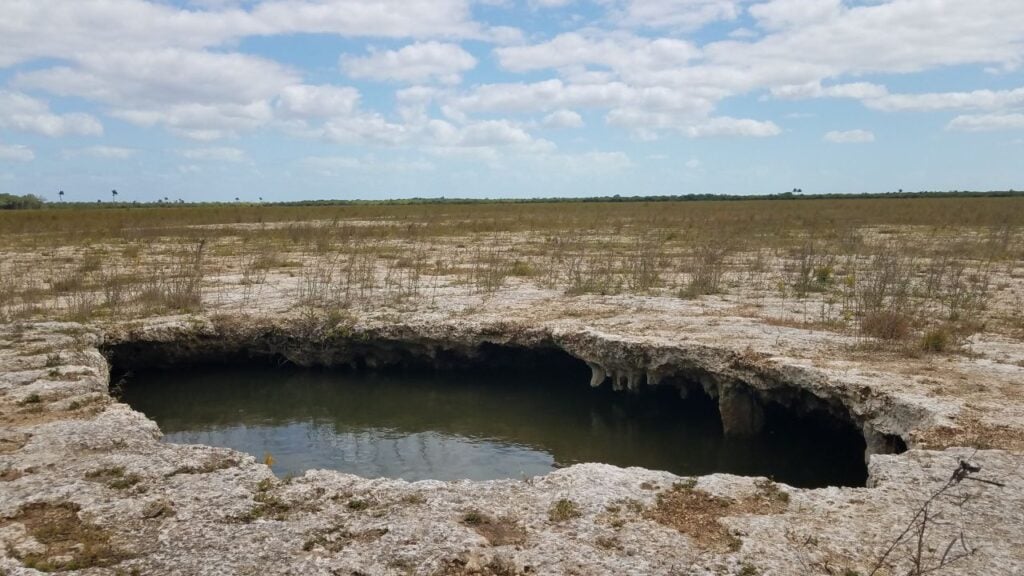
Floridians love showing off the postcard version of their state to anyone visiting from out of town.
Press a little harder, and the truth slips out, the parts they rarely say out loud.
9 Things Floridians Never Say Out Loud About Their Own State
8 Florida Beach Towns That Feel Nothing Like Summer After Labor Day
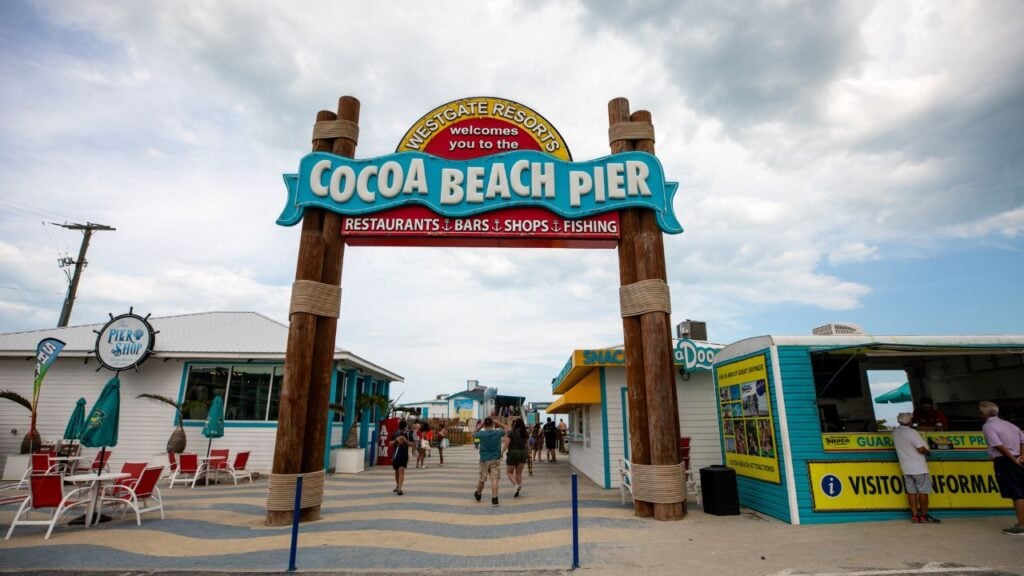
Sarasota County's tourism office clocked a 15.2% drop in September beachgoers last year, once Labor Day sent the crowds home.
Multiply that pattern up the coast, and a different Florida shows up the week the calendar flips.
8 Florida Beach Towns That Feel Nothing Like Summer After Labor Day
