
9 Signs Someone Was Raised in Nebraska, Even Decades After They Left

Memorial Stadium has sold out every Cornhusker home game since November 3, 1962. It’s a run that Omaha station WOWT calls the longest active streak in college football.
That’s 410 straight sellouts.
But a kid raised on those Saturdays carries more than a football habit out of the state.
These are the signs someone was raised in Nebraska, even decades after they left.
1. Runza Cravings
Runza got its start in Lincoln, Nebraska, in 1949, when siblings Sally Everett and Alex Brening opened the first stand near Pioneers Park.
The sandwich is a bread pocket stuffed with ground beef, cabbage, and onions, built on the German heritage many early Nebraska settlers carried west.
More than 90 Runza locations exist today, and almost all of them sit in Nebraska, Iowa, Kansas, Colorado, or South Dakota.
The craving doesn’t fade.
Move away from Nebraska for a decade without a single Runza, and the taste is still exact in memory, cabbage and all.
2. Detasseling Summers
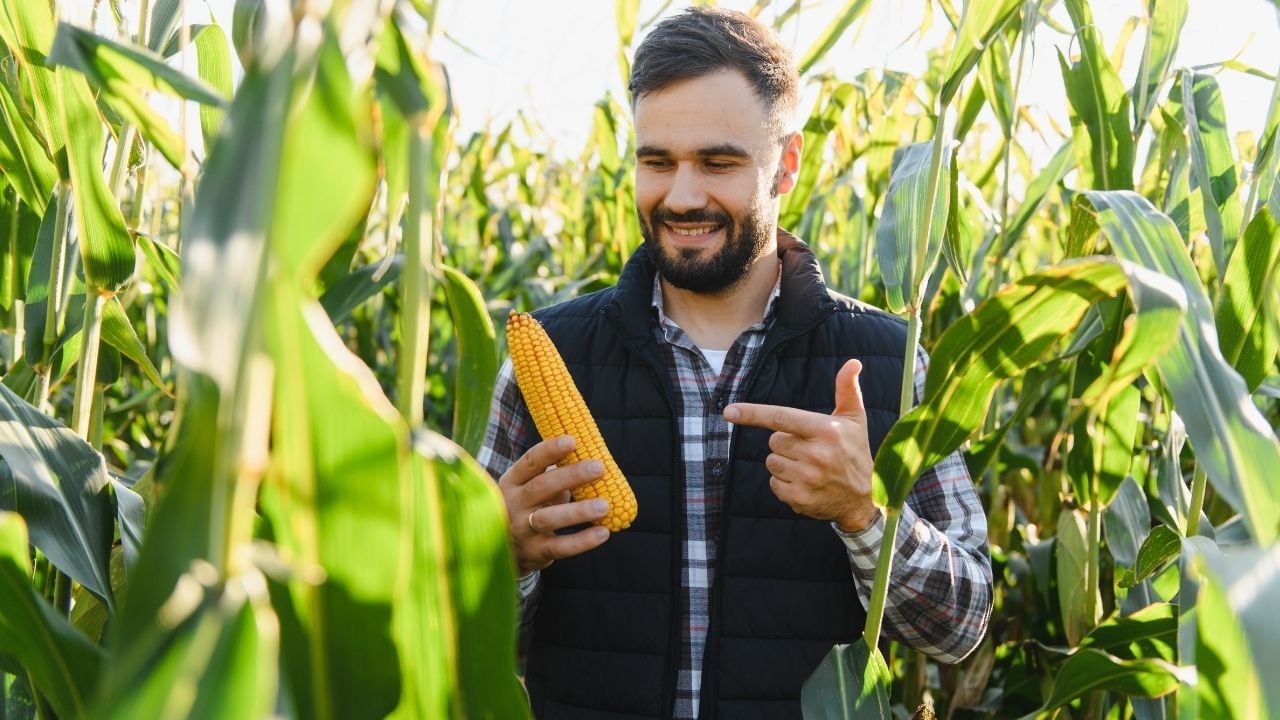
Detasseling corn became a Nebraska teenager’s rite of passage in the 1940s.
Farmers had found that hybrid corn could raise yields by at least 20% while using a quarter fewer acres.
Removing the tassels by hand, row after row, stopped the plants from cross-pollinating.
Contractors around Kearney alone used to hire hundreds of teenagers a summer, and pay now runs $100 to $110 an acre depending on experience.
Nobody forgets the job.
A transplant who left Nebraska decades ago can still describe the exact itch of corn dust down the back of a T-shirt from a summer detasseling row.
3. Chili With Cinnamon Rolls
Nebraska schools pair chili with a warm cinnamon roll on winter lunch menus, a combination that startles out-of-staters and reads completely ordinary across the state.
Lincoln Public Schools alone serves the pairing on winter Tuesdays and dishes out 5,000 lunches a day when it’s on the menu.
The pairing isn’t exclusive to Nebraska.
Pockets of Colorado, Iowa, and Minnesota serve it too, but few embrace it as openly.
Nebraska’s head football coach has praised the combination publicly, and it turns up at tailgates and church suppers statewide.
Nobody blinks.
Serve chili without a cinnamon roll to someone raised in Nebraska, decades after they left, and they’ll still ask where the rest of the tray went.
4. Defending the Reuben
Omaha, Nebraska lays claim to the Reuben sandwich, and the Nebraska State Historical Society backs the story up with paperwork New York can’t match.
Grocer Reuben Kulakofsky first stacked corned beef, sauerkraut, and Swiss on rye for a late-night poker game at the Blackstone Hotel in 1925.
The hotel’s owner liked it enough to put it on the menu.
A 1937 menu from Lincoln’s Cornhusker Hotel is the earliest printed proof anyone has found.
Paper beats folklore.
New York’s version rests on family stories, nothing written down.
Decades after leaving Omaha, someone raised in Nebraska will still correct a New York deli counter that credits the Reuben to anyone else.
5. Husker Saturdays
Every fall Saturday, Nebraska’s football home schedule empties Main Streets from Scottsbluff to Omaha.
Memorial Stadium hasn’t missed a sellout since that Missouri game in November 1962, a run that reached 410 straight games heading into the 2026 season.
Omaha TV station WOWT calls it the longest active streak in college football.
Kickoff still runs the day.
People who grew up going to games, or watching them from a relative’s couch, keep tracking the schedule long after moving to a state that’s never heard of a Husker.
Fall Saturdays still get built around kickoff for someone raised in Nebraska, even a thousand miles from where they grew up.
How Nebraska Keeps a Sellout Streak Alive
Nebraska counts a Memorial Stadium game as sold out once every ticket is claimed, whether fans use the seat or not.
Season-ticket holders and corporate blocks cover games a smaller fan base might not fill on its own.
Roughly 1,400 tickets for the 2026 home opener remained unclaimed less than two weeks before kickoff.
Nebraska’s athletic department called the slow pace normal rather than a sign the 63-year streak was ending.
6. Kool-Aid Hometown Pride
Hastings, Nebraska gets credit for Kool-Aid, and people raised in the state make sure everyone in the room knows it.
Chemist Edwin Perkins dried his liquid Fruit Smack down into a powder in 1927, since bottled liquid concentrate was messy and a powdered drink appealed more to customers.
That powder became the drink mix known today as Kool-Aid.
Hastings still throws an annual Kool-Aid Days festival every August, complete with a parade.
The pride runs deep.
Decades after leaving, you can live anywhere in the country and still bring up Hastings unprompted the moment someone asks where Kool-Aid comes from.
7. Bragging About the Zoo
Omaha’s Henry Doorly Zoo gives Nebraska one of its favorite bragging rights.
USA Today’s 10Best readers’ poll named it the best zoo in the country for the fourth year running in 2026, with its Desert Dome exhibit taking a top honor too.
Not bad for cornfields.
Years after moving away, someone raised in Nebraska still brings up the zoo first the moment a stranger acts surprised the state has anything impressive.
They’ll mention the Desert Dome if given half a chance.
8. Arbor Day Loyalty
Arbor Day started in Nebraska, and the state has never treated it as an afterthought.
Lawyer and newspaperman J. Sterling Morton pitched a statewide tree-planting day to the State Board of Agriculture in 1872, and more than a million trees went into the ground on the first Arbor Day.
Nebraska’s Legislature made it an official holiday in 1885, set on April 22, Morton’s birthday.
That’s different from the last Friday in April, the date the national holiday usually falls on.
The date sticks.
Every April 22 that passes unmarked somewhere else still catches a Nebraska native off guard, no matter how many years they’ve been gone.
Psst! How much do you know about Nebraska? Take our quiz and see how many you can get right.
9. Two-Hour Drives
About 2 million residents spread across Nebraska’s more than 76,000 square miles, leaving the state with roughly 25 people per square mile, among the lowest counts in the country.
Towns sit far enough apart that a grocery run and a doctor’s visit can both mean an hour of two-lane highway before the gravel starts.
The drive from Omaha to the Nebraska Panhandle eats seven hours or more on I-80 west, and nobody plans a special trip around it.
Two hours is nothing.
A transplant raised in Nebraska will drive that far for a good steakhouse without blinking, and look confused when someone from a denser state calls it a road trip.
4 Hy-Vee Perks Nebraska Shoppers Over 55 Should Never Skip
Hy-Vee pharmacies across Nebraska run free medication reviews for Medicare shoppers, and many people over 55 have never booked one.
A few other perks sit less obviously at the pharmacy counter and the deli case.
4 Hy-Vee Perks Nebraska Shoppers Over 55 Should Never Skip
18 Quirks Nebraskans Pick Up On While Driving Across the U.S.

Driving across the country turns into a lesson in how much changes mile by mile, from gas station signs to regional snacks.
Nebraskans notice the shift first, especially once the exits start spacing out again.
18 Quirks Nebraskans Pick Up On While Driving Across the U.S.
