
7 Recipes and Drinks That Turn Up in Every Old South Carolina Cookbook

A folding table sits by the fellowship hall door at homecoming, spiral-bound cookbooks stacked next to a cash box.
The University of South Carolina’s Caroliniana Library holds 357 of them.
These are the recipes and drinks that turn up in nearly every old South Carolina cookbook.
1. Chicken Bog
Chicken bog fills a single pot with rice, bone-in chicken, and smoked sausage, and the whole pot simmers down until the rice soaks up the broth.
The dish has fed crowds in northeastern South Carolina since at least the 1920s, according to a state historical marker in Loris that ties it to tobacco harvests.
Everybody eats from one pot.
A Pee Dee nonprofit called Cooks for Christ holds seven fundraisers a year built around chicken bog, using the meal to help neighbors facing medical bills.
That’s the whole point of a bog.
2. She-Crab Soup
She-crab soup blends fresh crabmeat and its orange roe into a cream-based Lowcountry soup, and servers finish it tableside with a splash of dry sherry.
The sherry finishes it.
The soup has circulated in multiple versions through South Carolina’s old community cookbooks.
That same tradition produced Charleston Receipts, a 1950 Junior League of Charleston cookbook that has stayed in print for decades.
Many South Carolina cookbooks carry a version of it.
The word “receipts” is old-fashioned, not a typo.
It lingered in Southern kitchens well after many cookbook writers had switched to “recipe.”
That same library holds 357 separate South Carolina cookbooks, and church groups and women’s clubs wrote many of them, not a single professional kitchen.
3. Benne Wafers
Benne wafers press sesame seeds into a thin, crisp cookie, sweetened just enough to taste like a snack instead of a garnish.
Enslaved West Africans brought benne, the West African word for sesame, to the South Carolina Lowcountry in the 1700s.
They grew it in small garden plots even as planters pressed the seeds for cooking oil.
Home bakers took it further.
Charleston Receipts lists benne wafers among its classic Lowcountry recipes, right alongside Lady Baltimore cake.
Few people know sesame is why the cookie exists.
Psst! How much do you know about South Carolina firsts and facts? Take our quiz and see how many you can get right.
Quiz
South Carolina Facts and Firsts
Answer these questions on South Carolina’s official symbols and firsts. We bet you can’t get them all right. Prove us wrong?
South Carolina’s peach harvest typically outpaces which state, despite that state’s ‘Peach State’ nickname?
4. Hoppin' John
Hoppin' John cooks black-eyed peas and rice together in one pot, usually with a piece of pork worked in for flavor.
The dish traces back to the rice know-how enslaved West Africans carried to the South Carolina Lowcountry, and it became the region's traditional way to start the New Year.
Peas stand in for coins.
Cooks usually add collard greens or turnip greens to the plate too, standing in for folding money in the same bit of New Year's luck.
Some families still tuck a penny under the bowl for extra luck.
5. Tea Punch
Tea punch combines strong black tea with sugar and citrus, and hosts serve it cold from a big cut-glass bowl at the center of the table.
Charleston Receipts prints a version of the recipe called Charleston Club Punch, credited to a Charleston host from the 1880s and built on whiskey, rum, and peach brandy.
Other Charleston clubs kept separate recipes outside that book, like the Otranto Club's punch, which dates to around the 1930s and leaned on brandy and rye whiskey instead.
No two recipes matched.
Modern nonalcoholic versions swap those spirits for fruit juice, lemonade, and ginger ale.
The Timrod Library in Summerville still serves a punch like that at its events, mixing canned orange, pineapple, and apple juice with frozen lemonade and ginger ale.
That same citrus base shows up in punch bowls at potlucks and family reunions across South Carolina.
6. Congealed Salad
Congealed salad sets fruit, vegetables, or shredded cheese inside a mold of sweetened gelatin, then turns out onto a serving plate in one clean piece.
Congealed salad became a fixture in community cookbooks once electric refrigerators became common in ordinary kitchens.
The dish gave cooks something cold and make-ahead that still held its shape on a crowded potluck table.
That was the trick.
A well-set salad also solved a practical problem, since a cook could dress up whatever produce or canned goods were on hand into something that looked intentional.
Why Congealed Salads Took Over
Congealed salads owe their spread to two ordinary appliances, not a single trendy recipe.
By the late 1930s, roughly a third of all cookbook recipes in America were gelatin-based.
The Smithsonian describes the boom arriving alongside the electric refrigerator, which had reached roughly 60% of American households by the end of that decade.
A cook could mix a gelatin salad the night before, chill it overnight, and still have it firm enough to slice at a Sunday potluck the next day.
7. Pimento Cheese
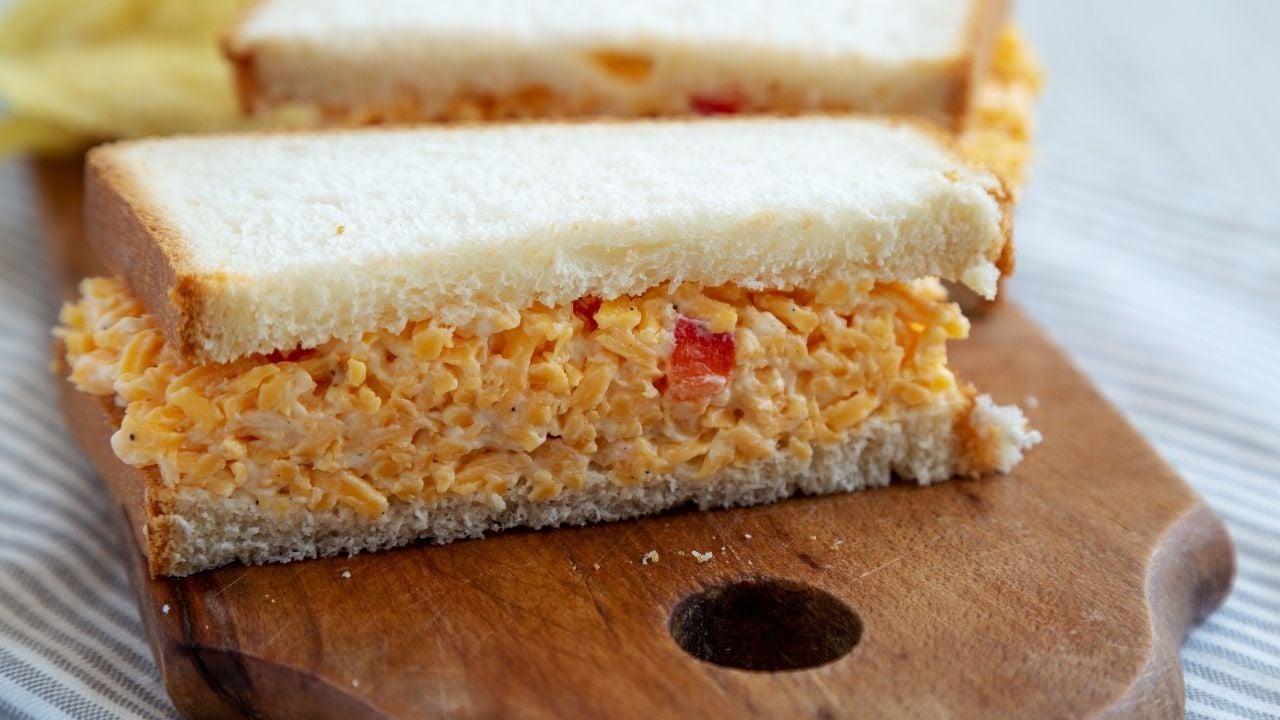
Pimento cheese mixes shredded cheddar, chopped pimentos, and mayonnaise into a spread South Carolinians nicknamed "South Carolina caviar."
The mayonnaise in nearly every South Carolina version has a hometown answer: Duke's.
A Greenville woman named Eugenia Duke bottled it first in 1917.
That's the local answer.
Duke's got its start selling pimento cheese sandwiches to soldiers.
The mayonnaise came second, not first.
Older Than Charleston Receipts
South Carolina's cookbook tradition predates Charleston Receipts by more than a century.
The Caroliniana Library holds The Carolina Receipt Book from 1832 as its oldest title, a volume that mixed recipes with home medical remedies and household economics instead of food alone.
Recipes and remedies mixed freely.
Lowcountry recipes dominated South Carolina's printed cookbooks until 1917, when members of a Spartanburg Methodist church put together The Spartanburg Cook Book, the first to showcase Upstate cooking.
That 1917 volume finally put dishes like Jerusalem artichoke soup and chestnut consomme into print, hill-country recipes that hadn't appeared in South Carolina's earlier, coastal-focused cookbooks.
A church basement in Spartanburg beat every Charleston kitchen to the page.
9 South Carolina Antique Shops Locals Guard Like a Secret
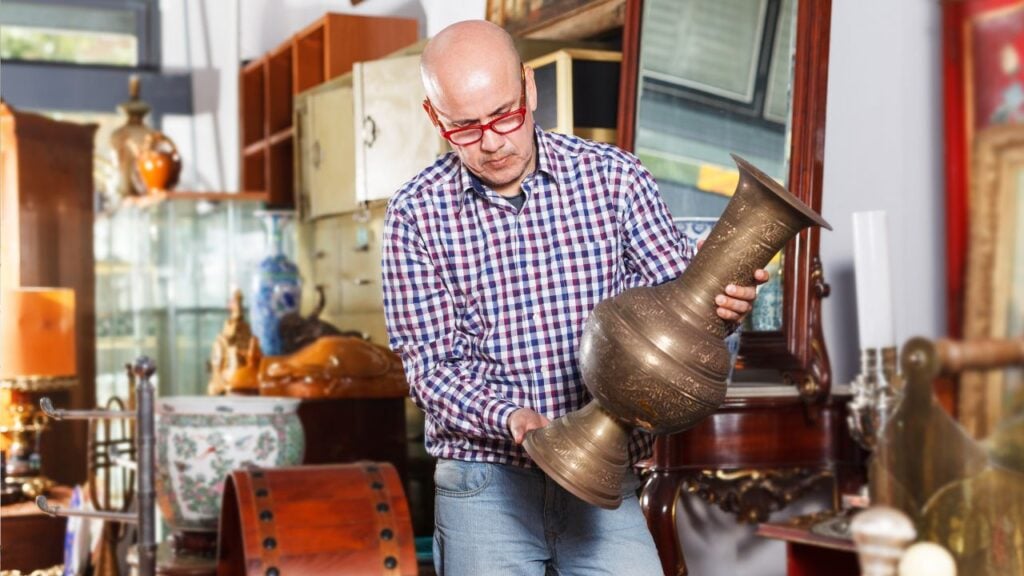
A directory called the South Carolina Antique Trail lists close to 100 antique shops and flea markets, and many South Carolinians have only visited the shop nearest home.
These are the antique shops South Carolinians in the know keep circling back to, the shops worth a longer drive.
9 South Carolina Antique Shops Locals Guard Like a Secret
7 South Carolina Beach Towns That Empty Out the Week After Labor Day
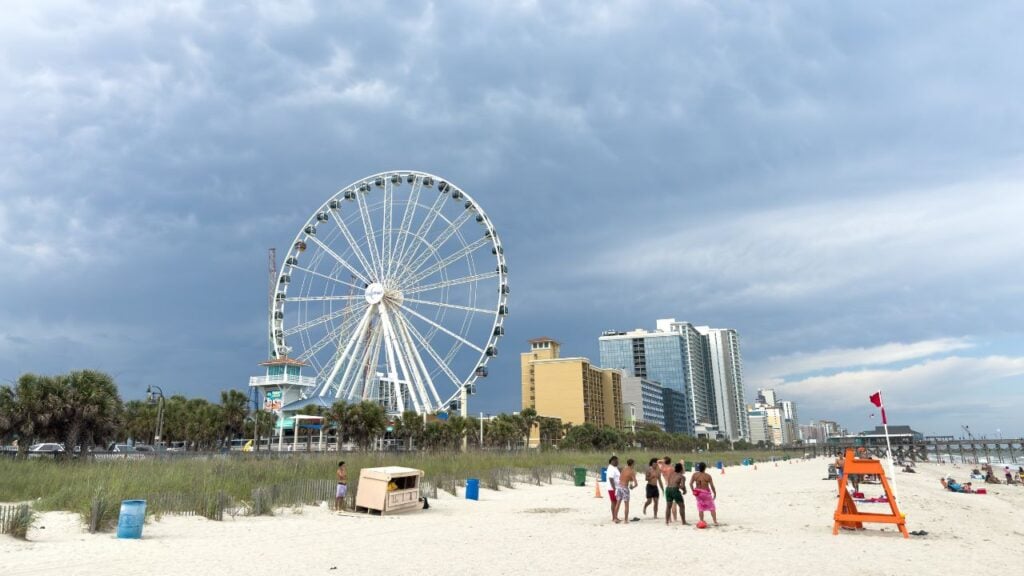
Census data up and down the Grand Strand and the Lowcountry show entire blocks of houses sitting empty most of the year, built for one-week renters instead of full-time residents.
These are the South Carolina beach towns that empty out fast the week after Labor Day.
7 South Carolina Beach Towns That Empty Out the Week After Labor Day
