

9 Small Money Tasks New Yorkers Put Off Until They Become Expensive

An unpaid parking ticket in New York City picks up $10 at 30 days, another $20 at 60, and another $30 at 90.
These are the small money tasks New Yorkers put off until they become expensive.
Note: This is general information, not financial, tax, or legal advice. Deadlines, fees, and penalties are subject to change.
1. Letting Your Toll Bill Sit Unpaid
Let a New York toll bill sit long enough, and the state stops treating it as a simple billing matter.
The state’s Department of Motor Vehicles (DMV) is built to catch that exact habit.
Rack up three unpaid toll violations, or let the balance hit $200, within five years, and the DMV can suspend the vehicle’s registration outright.
Driving on a suspended registration in New York is a misdemeanor, not a fix-it ticket.
It’s not small anymore.
Clearing the suspension means paying the New York State Thruway Authority, the Metropolitan Transportation Authority, the Port Authority, or the Bridge Authority directly.
The DMV can’t erase a toll off the books on its own.
2. Ignoring a Parking or Camera Ticket
A parking or camera ticket in New York looks easy to shrug off for a week.
New York City’s payment portal disagrees, and those penalties stack every 30 days until the ticket turns into a judgment.
Camera violations move faster, with a $25 penalty tacked on at 30 days and a final notice mailed around day 65.
Somewhere around the 75- to 100-day mark, an unpaid ticket becomes a judgment, and 9% annual interest starts running on the whole balance.
The clock doesn’t stop.
New York City can boot or tow a car carrying more than $350 in judgments, with storage and marshal fees stacked on top.
It’s not just a city problem.
New York’s DMV runs a Parking Scofflaw Program that blocks a registration renewal over unresolved tickets in more than 200 cities, towns, and villages statewide, from Buffalo to Yonkers.
3. Putting off Your State Tax Bill
New York’s Tax Department doesn’t lose track of an unpaid state tax bill just because a taxpayer does.
A tax return that sits unfiled costs 5% a month in penalties, capped at 25%, according to the state Tax Department.
It also charges separately for paying late, plus interest that compounds daily.
Owe at least $10,000, and the Tax Department can ask the DMV to suspend a driver’s license altogether.
That escalates fast.
How the $10,000 Tax Suspension Plays Out
New York’s Tax Department doesn’t suspend a license the moment a taxpayer owes at least $10,000.
It sends a notice first and gives a taxpayer 60 days to pay the debt off or set up an installment agreement.
Ignore that notice, and the DMV mails a suspension order 15 days later.
A taxpayer already on a payment plan, paying court-ordered support, or living on Supplemental Security Income can ask for an exemption instead of losing the license.
4. Missing the Enhanced STAR Deadline
The School Tax Relief (STAR) exemption gives New York homeowners a break on their school taxes.
Seniors can trade up to a bigger Enhanced STAR version once they turn 65.
The window to apply or upgrade closes March 1 in most of the state every year, according to the state Tax Department.
A handful of towns and cities set a different date instead.
If a homeowner misses it, they stay on the smaller Basic STAR break for another full year, since the upgrade only runs once a year.
That gap adds up.
In one Onondaga County school district, the 2025 Enhanced STAR credit ran about $1,000 higher than the Basic STAR credit in the same district.
That’s money left on the table for a full year.
A calendar reminder costs nothing.
5. Skipping Grievance Day
Grievance Day is a New York homeowner’s one chance a year to argue a property assessment down.
Many New York towns set it for the fourth Tuesday in May, outside New York City, Nassau County, and a handful of places that set a different date.
A homeowner who misses the filing loses the right to challenge that year’s assessment through the town’s Board of Assessment Review.
This is final, not delayed.
The overpayment rides along on next year’s school and property tax bills too, since a fresh assessment challenge only affects the year it was filed.
6. Letting Your Car Insurance Lapse
A missed car insurance payment in New York can let a policy lapse without a single change to what shows up in the mailbox.
Insurers report every lapse straight to New York’s Department of Motor Vehicles, and the rule that follows is blunt: No insurance, no plates.
New York charges a civil penalty for every day the lapse continues, starting at $8 a day for the first 30 days.
That rate rises to $10 a day for the next 30 days, then $12 a day after that.
A lapse that runs the full 90 days adds up to $900 in penalties alone, and New York won’t accept payment to lift the suspension after that point.
There’s no grace period.
If you miss the 90-day window, New York requires surrendering the vehicle’s registration and plates outright.
New York suspends the driver’s license too, with a $50 fee due just to end that suspension once coverage is restored.
7. Skipping a Beneficiary Form
A bank or brokerage account without a named beneficiary in New York doesn’t just default to a spouse or a child automatically.
It goes through Surrogate’s Court instead, the same court that handles a will, and the court charges a filing fee that rises with the size of the estate.
Estates under $10,000 pay $45. Estates over $500,000 pay the court’s maximum fee, $1,250.
A Transfer-on-Death (TOD) designation skips all of that and sends the account straight to whoever is named, no filing fee and no waiting on a judge.
It only takes one form.
Psst! How much do you know about money history? Take our quiz and see how many you can get right.
Quiz
New York Money IQ
Answer these questions on money history and New York firsts. We bet you can’t get them all right. Prove us wrong?
New York became the first U.S. state to require vehicle registration in 1901. What did car owners have to do at first?
8. Paying a Utility Bill Late
A late New York utility bill doesn't mean the lights go out the next morning.
State regulators cap what a gas or electric utility can add for a late payment at 1.5% a month, or 18% a year if the balance sits untouched.
Con Edison, National Grid, and New York's other regulated utilities all answer to the same statewide ceiling, so the rate doesn't change by zip code.
Fifteen days, in writing.
New York's Home Energy Fair Practices Act (HEFPA) requires at least 15 days of written notice before a utility can shut off service for nonpayment.
Customers who show financial need can request a deferred payment plan too, with installments as low as $10 a month and no down payment required.
That right doesn't erase the late fee.
9. Waiting Too Long to Claim a Tax Refund
Nobody reminds a filer that a New York tax refund comes with an expiration date.
New York gives a filer three years from the date a return was filed to claim an overpayment.
The deadline stretches to two years from the date the tax was paid instead, whichever runs out later.
There's no do-over after that.
If you miss both windows, the refund doesn't sit waiting in some other account for a filer to notice.
It's simply gone, kept by the state instead of the taxpayer who earned it.
9 Home Repairs New Yorkers Put Off That Get Twice as Expensive
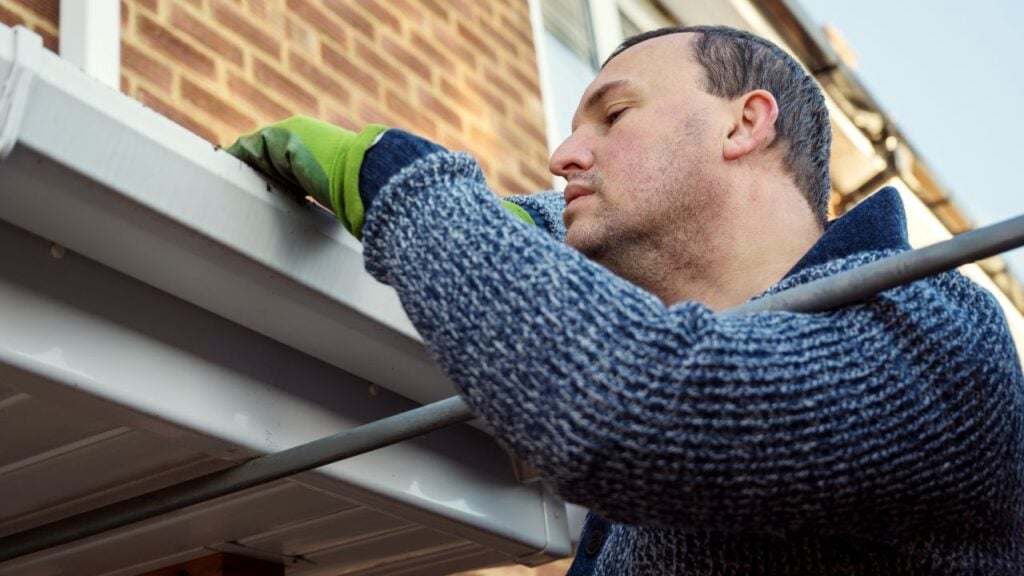
New York's housing stock is older than almost anywhere else in the country, with a median home age of 64 years.
Roofs, plumbing, and electrical systems tend to show their age first in housing this old, catching many homeowners off guard.
9 Home Repairs New Yorkers Put Off That Get Twice as Expensive
8 Upstate New York Towns Even New Yorkers Forget Exist
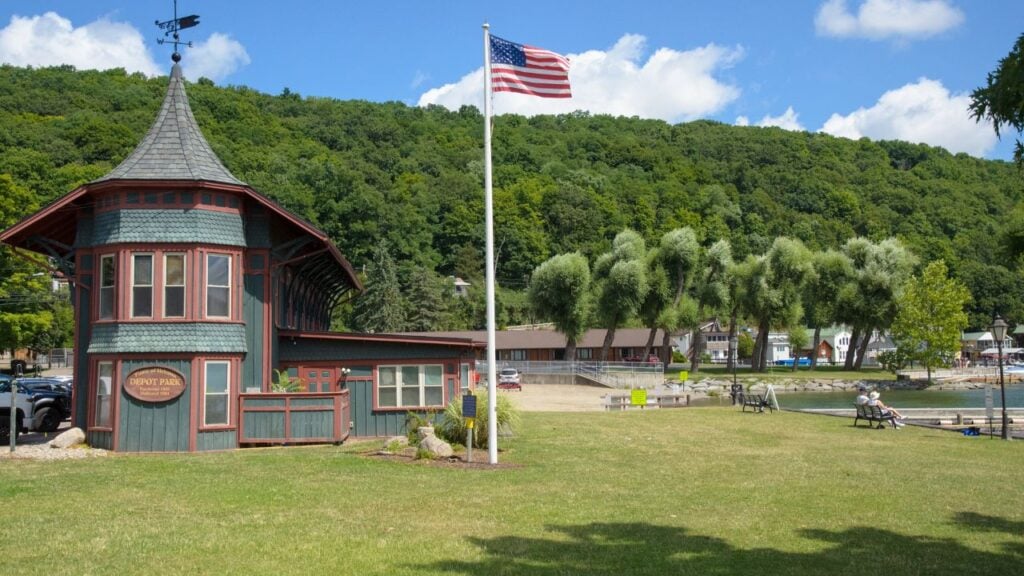
A waterfall in New York's Finger Lakes region drops 215 feet, more than 30 feet taller than Niagara Falls, and many New Yorkers have never heard of it.
A handful of upstate towns hide sights like that in plain view, forgotten by city dwellers and longtime residents alike.
