
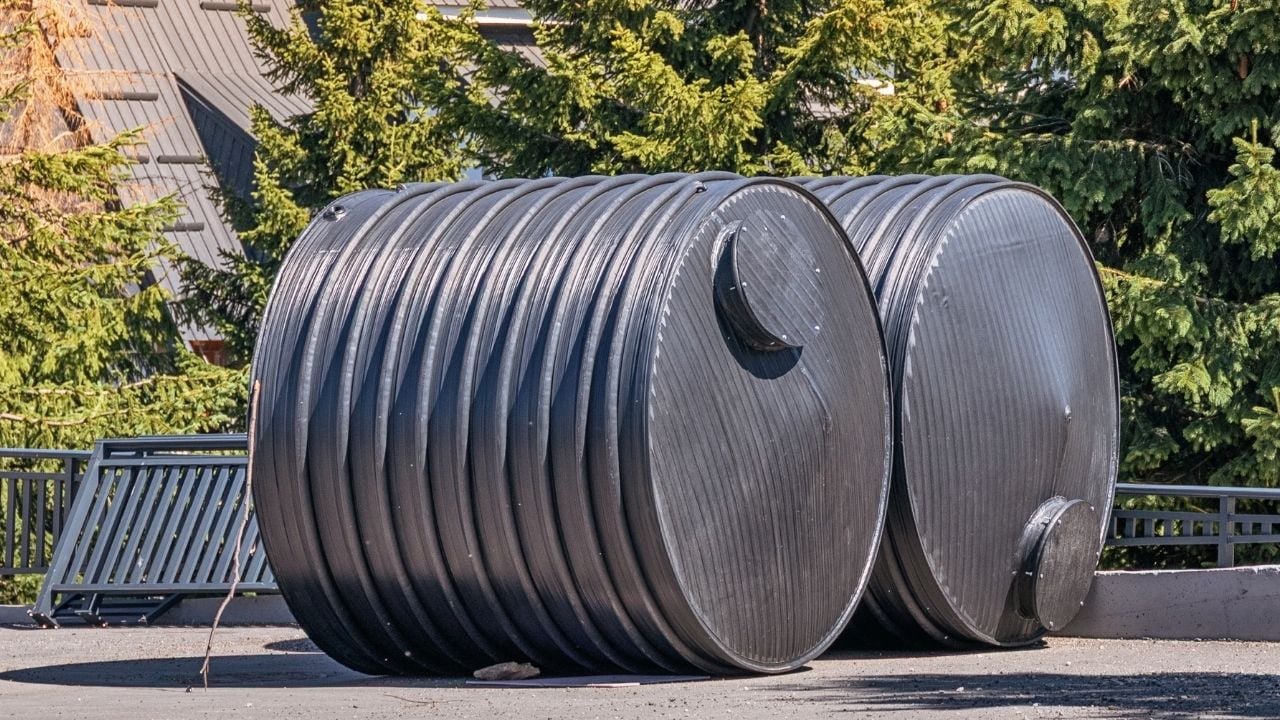
7 Things a Septic Permit Won’t Let North Carolina Homeowners Add

North Carolina’s septic rules require you to keep a private well at least 50 feet from any system already on your lot, per the state’s environmental health division.
Fifty feet is a long way in a small backyard.
To make things more complicated, the permit draws lines like that all over the property, not just near the tank.
These are the things a septic permit won’t let North Carolina homeowners add.
Note: This is general information, not legal advice. Septic permit rules are set by the state, but counties administer and enforce them, and requirements can change. Confirm current details with your county health department’s environmental health division.
1. Adding One Bedroom Too Many
A North Carolina septic permit lists a bedroom count, and that count sets a hard ceiling on what the system underneath it can serve.
State rule ties every bedroom to 120 gallons a day of design flow, with a 240-gallon floor for any home.
Adding a bedroom pushes that number up right away.
Turn a den into a bedroom, and the room itself doesn’t need a permit.
The added flow does.
Union County charges $400 just to open that file, and the fee buys a look at whether the lot can carry the extra flow.
State law backs that ceiling up: An improvement permit or construction authorization stops being valid the moment a home’s flow rises past what the county last evaluated.
Environmental health can refuse to reissue that permit if the lot has no room for a bigger drainfield sized to the extra flow.
The bedroom has to wait on the yard, not on a form.
2. Building a Backyard Guest House
A guest house becomes a second dwelling under North Carolina’s sewage rules the moment somebody can sleep in it.
That changes the math.
Every dwelling unit on a lot needs at least 240 gallons a day of capacity.
That figure is the same floor a single-bedroom house gets, whether the guest house has one room or three.
The septic field for a guest house can’t tie into the main house’s field.
State rule keeps any two nitrification fields at least 20 feet apart, so a guest house needs a separate patch of soil that clears a fresh site evaluation.
Not every backyard has that kind of room.
A lot sized for one house and one field often has nothing left for a second.
3. Putting a Pool Near the Lines
A North Carolina septic system needs room to breathe, and a pool built too close crowds it out.
State setback rule keeps an in-ground pool or a basement at least 15 feet from any part of the system, the tank, the lines, and the field alike.
Fifteen feet sounds generous.
Then a contractor’s stake lands where the pool was supposed to go.
An above-ground pool gets more room to work with: The same rule sets that setback at just 5 feet once the pool needs a building permit to put up.
Five feet still changes the math on a tight lot.
A backyard with the tank near the house and the field running toward the property line can lose a large share of its usable pool footprint to either setback.
The fix isn’t always a smaller pool.
Sometimes it’s a different spot on the lot, and sometimes it’s a system relocated first.
4. Paving Over the Drainfield
North Carolina’s drainfield doesn’t share space with a driveway, and the rule says so directly.
Nitrification fields and the backup field behind them can’t sit under pavement or anywhere vehicles regularly drive.
Wake County’s building review adds a number to that.
A driveway or patio has to stay at least 3 feet clear of the system, even on ground the field doesn’t reach.
Other counties draw it differently.
A parking pad, a basketball hoop’s concrete slab, or a shed floor doesn’t belong over ground the system needs.
When a North Carolina Driveway Has to Cross the Field
North Carolina allows a pipe to cross under a driveway or a parking area, but only if it’s protected.
The rule requires ductile iron pipe, or at least 30 inches of compacted soil packed over the top, anywhere a line runs where a vehicle drives.
The field or backup field underneath still can’t sit under the pavement itself, protected pipe or not.
Your county’s environmental health specialist signs off on whether a proposed crossing meets that standard.
That’s exactly where practice starts to vary from one health department to the next.
5. Crowding the Tank With an Addition
A home addition in North Carolina can crowd a septic tank faster than a homeowner expects.
State rule sets that gap at 5 feet from any building’s foundation, and 15 feet if the new room comes with a basement.
Five feet disappears fast.
A sunroom, a mudroom, or a garage bump-out can eat that whole buffer before a contractor even breaks ground.
That’s especially true on a lot where the tank already sits close to the house.
Moving the tank is possible.
It isn’t cheap, and it isn’t fast.
6. Covering the Backup Field
Every North Carolina septic permit sets aside a second patch of ground nobody sees: The repair area, kept open in case the working field ever fails.
Nothing sits there, so it’s easy to forget it’s spoken for.
North Carolina State University’s extension service is direct about what’s off-limits there: No addition, no garage or outbuilding, no pool, and no digging that disturbs the soil.
State rule backs that up directly: Soil-disturbing activity isn’t allowed over the initial or repair dispersal field.
A shed feels harmless.
So does a deck, until the primary field clogs and there’s nowhere left to put a replacement.
Wake County states it plainly: The reserve ground can’t be covered with structures or paved over.
Every county holds a version of that same line.
7. Drilling a New Well Nearby
A North Carolina septic permit maps out more than a tank and a field, and that map decides where a new well can go too.
State rule holds a private well serving a single-family home at least 50 feet from any part of a septic system, its tank, lines, and field alike.
How firm is fifty feet?
Wake County runs well and septic applications through the same review.
The recorded septic layout decides where a second well can go, not a stand-alone review of the well.
Community and shared wells face a longer setback.
State rule sets that distance at 100 feet for a transient, shared, or non-community water-supply well, not for the ordinary private well many homeowners drill.
More people drinking from one source earns that extra distance.
A homeowner drilling a single well for a single house never has to clear that higher bar.
Psst! How septic-permit ready is your North Carolina property? Run through this checklist and see where you stand.
How County Practice Differs
A North Carolina septic permit application can pick up a fee in Wake County that no other rule in this piece mentions.
That fee is $200, charged just to schedule a site visit when a proposed layout doesn’t fit the standard setback table.
That’s on top of whatever the base permit already costs.
North Carolina’s health department writes the rulebook once for the whole state.
Every county still bends it into a different process.
An improvement permit and a construction authorization both come from the local health department, not from Raleigh.
The environmental health specialist reviewing a property makes the judgment calls that follow.
How wide the soil runs and whether the county approves a driveway crossing both come down to that one reviewer’s read of one lot.
That’s why a plan that sails through in one county might need a redesign forty minutes away in the next.
The rulebook is the same across the state.
The reviewer holding it isn’t.
9 North Carolina Property Rules That Surprise New Homeowners
Closing on a North Carolina house hands a new owner more legal fine print than many new owners ever read.
Some of it works in a homeowner’s favor, and some of it costs money nobody warned them about.
9 North Carolina Property Rules That Surprise New Homeowners
9 Contractor Mistakes That Cost North Carolina Homeowners Thousands

An unpaid subcontractor in North Carolina has 120 days to file a lien against the house they worked on, whether the homeowner already paid the general contractor or not.
Licensing, permits, deposits, and a last-resort recovery fund all sit in the same rulebook, and many homeowners meet it for the first time after something already went wrong.
9 Contractor Mistakes That Cost North Carolina Homeowners Thousands
