
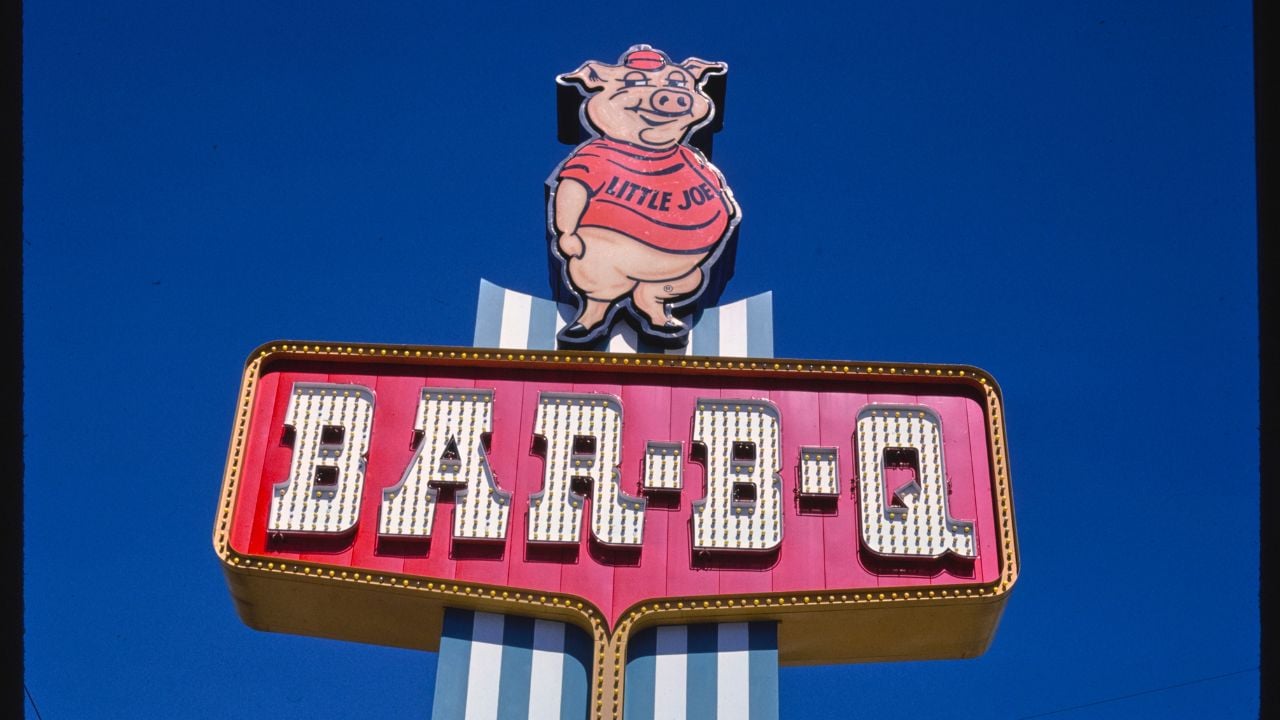
8 Food and Drink Orders South Carolinians Place That Leave Out-of-State Servers Completely Confused

South Carolina’s tourism office says all four major American barbecue sauce styles fall within its borders.
Mustard, vinegar-and-pepper, light tomato, and heavy tomato, all at once.
None of that helps a visitor order right, and none of it helps a server three states away understand what just got said.
These are the food and drink orders South Carolinians place that leave out-of-state servers completely confused.
1. Hash Over Rice
A South Carolina barbecue plate rarely comes without hash spooned over a scoop of rice, a thick stew treated as a course on the menu.
Picture the same request at a diner in another state.
The server hears “hash” and reaches for corned beef and diced potatoes, nothing like what lands on a South Carolina plate.
Neighboring Georgia, Virginia, and North Carolina fill that same barbecue-counter role with Brunswick stew instead, so the word means something else entirely once you cross a border.
The dish is barely known outside South Carolina, and how it’s built changes considerably depending on where in the state you order it.
What Hash Means, Region by Region
South Carolina’s hash changes character depending on which part of the state serves it.
Midlands versions lean on mustard, onions, and lean cuts of pork.
Lowcountry cooks simmer pork liver and other organ meat in a vinegar-and-ketchup stock instead.
Upstate hash skips all three and builds a beef-based version thickened with butter and onions.
2. The Gold Sauce
South Carolina barbecue counters keep a bottle of mustard-based sauce behind the register, and regulars just call it gold.
Ask for barbecue sauce outside the Midlands, and a server reaches for something tomato-red.
Wrong color.
Food writers call the mustard style hyper-regional, historically confined to South Carolina’s Midlands and rarely found anywhere else in the South.
German immigrants who settled the state’s interior generations ago are usually credited with the style.
Order it in gold today, and the kitchen skips the ketchup entirely.
3. Blenheim’s Three Heat Levels
Hamer, South Carolina, bottles a ginger ale so sharp it comes in three separate heat levels.
Locals just order it by color.
Ask a server outside the Carolinas for a hot Blenheim, and you’ll get a blank look.
Nobody in South Carolina blinks.
Dr. C. R. May started the recipe in the late 1890s by adding Jamaican ginger to water from a local mineral spring.
The plant still bottles it today, a short drive from where he started.
Pick the red cap for the hottest of the three, and your sinuses will know within one sip.
4. Firefly and Lemonade
Two South Carolina distillers started Firefly on Wadmalaw Island in 2005, building a vodka around sweet tea that became one of the state’s best-known bar orders.
The sweet tea version followed a few years later, made with tea grown down the road at the Charleston Tea Plantation.
Firefly’s bottling still ran on the same island back then.
Firefly’s main production has since moved off the island to a newer facility in North Charleston in 2020, though the sweet tea vodka recipe hasn’t changed.
Ask a bartender in Ohio for a Firefly, and you’ll have to explain yourself.
Not in Charleston: Order a Firefly and lemonade at a South Carolina bar, and nobody asks which brand you mean.
5. Chicken Bog, Not a Swamp
South Carolina’s Pee Dee region turns chicken, rice, and sausage into a one-pot stew locals just call bog, a dish so regional it’s found only in South Carolina.
What does a server outside South Carolina hear when someone orders the bog? A word for a wetland, not a plate of food, before anyone explains it’s chicken and rice.
Not a swamp.
For generations the dish showed up mostly at campaign stump meetings and church suppers, cooked in enormous pots for a crowd, before restaurants started putting it back on their menus.
Loris built an entire October festival, the Bog-Off, around the cook-off, and asking for “the bog” at a South Carolina counter still gets you exactly what you ordered.
6. Roe and Eggs
South Carolina’s Lowcountry kitchens pair shad roe with bacon and scrambled eggs each late winter, plating the egg sac of a fish that swims up the state’s rivers to spawn.
Shad roe itself is an Atlantic Coast tradition that reaches well beyond South Carolina, but the bacon-and-scrambled-eggs treatment on one breakfast plate is a distinctly Lowcountry order.
What does a server outside that world hear when someone orders “roe and eggs”? Caviar, usually, not a spawning fish’s egg sac cooked into a skillet.
South Carolina built a sustainability plan for the fish after a 2007 assessment found historic population lows on rivers like the Lynches.
Order it while the run lasts each late winter because the season closes fast.
7. Reaper Hot Wings
How hot is “Reaper hot” on a South Carolina wing menu? Hot enough that Guinness World Records once measured the pepper, grown on a Fort Mill farm, at 1.64 million Scoville heat units.
Ask for it that way in another state, and many servers have no idea what they just agreed to.
No refunds.
Ed Currie bred the Carolina Reaper at his Fort Mill farm, then went hotter still.
Pepper X, his follow-up, took the Guinness title away in 2023, its Scoville score validated at nearby Winthrop University.
Both peppers still show up as a heat-level request on South Carolina wing menus.
8. Burger With Clemson Blue
Clemson University, in the South Carolina Upstate, started aging blue cheese inside a former railroad tunnel in 1941.
A campus dairy professor had proposed curing it there a year earlier, mimicking how the French age Roquefort in caves.
The operation outgrew the Stumphouse Mountain Tunnel by 1958, when Clemson shifted all curing to climate-controlled rooms on campus built to match the tunnel’s humidity.
Menus in that part of the state still list the cheese by the tunnel’s name, even though none of it has aged there for decades.
Order a burger with Clemson blue at an Upstate restaurant, and the kitchen reaches for cheese made a short drive from campus, not generic crumbles from a supplier.
Try that order outside South Carolina, and a server has never heard of the name at all.
Psst! How much do you know about South Carolina’s food history? Take our quiz and see how many you can get right.
Quiz
South Carolina Food IQ
Answer these questions on South Carolina food and drink history. We bet you can’t get them all right. Prove us wrong?
South Carolina law names sweet tea the state’s official hospitality beverage, but a different drink holds the actual title of state beverage. Which one?
Four Sauces, One State
South Carolina keeps all four major American barbecue sauce styles inside one set of borders, more than any other state in the country.
Same state, four sauces.
Mustard rules the middle of the state, and vinegar-and-pepper wins the coast.
The Pee Dee and the upper Midlands lean light tomato, while the northwest corner near the mountains goes heavy and sweet instead.
Some barbecue joints set all four bottles on the table at once, so a first-time visitor can taste the whole map in one sitting.
9 Etiquette Mistakes That Mark You as New to South Carolina
Ordering isn't the only place South Carolina runs by different rules; many newcomers stumble somewhere between the parking lot and the front porch.
A polite habit in one state reads as standoffish, or even rude, in another.
9 Etiquette Mistakes That Mark You as New to South Carolina
9 South Carolina Antique Shops Locals Guard Like a Secret

South Carolina keeps some of its best finds off the main road, tucked behind a courthouse square or a stretch of two-lane highway.
Locals know exactly which storefront to check first, and they rarely tell anyone outside the family.
