
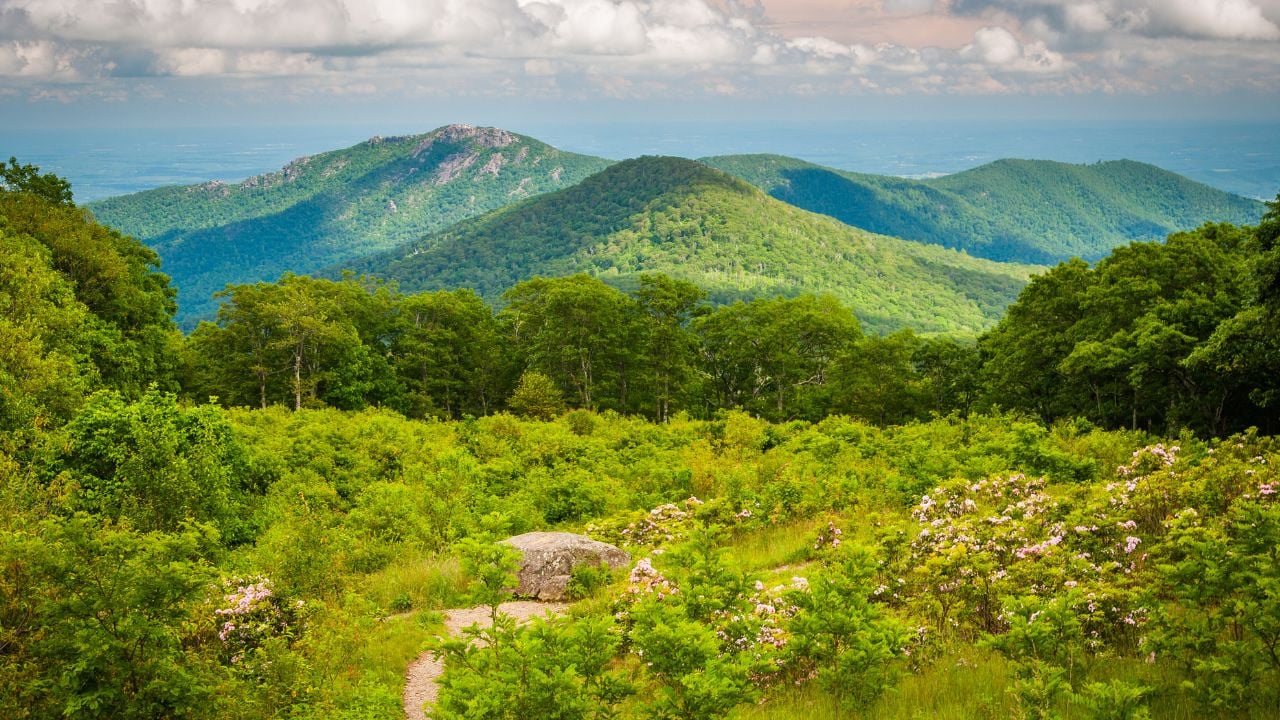
8 Mistakes Tourists Make Planning a First Shenandoah Trip in Virginia

Shenandoah’s color season runs late September through November.
That means within two weeks, we’ll start seeing the leaves transform.
These are the mistakes tourists make planning a first Shenandoah trip in Virginia.
1. Skipping the Old Rag Ticket
Shenandoah National Park charges $30 for a vehicle pass that covers seven days, and many first-time visitors assume that pass gets them up every trail in the park.
Old Rag doesn’t work that way.
Hiking Old Rag Mountain requires a separate $2 ticket per person, bought through Recreation.gov on top of the entrance fee, every day from March through November.
Half of each day’s 800 tickets go up 30 days out.
The other half release just five days before a visit.
A first-timer who waits until the drive down to check finds the good dates already gone.
Show up without one, and rangers turn you back before the first step.
That’s the whole hike, gone.
What Needs a Reservation at Shenandoah
Shenandoah National Park itself needs no timed entry, vehicle reservation, or parking permit to get in the gate, unlike some Western parks that cap daily visitors.
Old Rag is the one exception, with its ticket sold separately from the entrance fee.
Overnight backcountry camping needs a permit through Recreation.gov.
A day hike anywhere else in the park needs neither ticket nor permit.
Skyland, Big Meadows Lodge, and every campground run reservations too, and those fill first for the weekends around peak color.
2. Planning to Pay With Cash
At Shenandoah National Park, cash stopped working at the entrance and campground booths on July 1, 2025.
It’s card only at the gate now.
A first-timer who packs bills instead of plastic finds that out right at the entrance station.
Cash still works at the gift shops, the waysides, and the lodges, just not at the entrance gate.
Pay ahead through Recreation.gov instead, and there’s nothing to sort out at the gate.
That’s all it takes.
3. Underestimating Skyline Drive’s Pace
Shenandoah National Park’s only public road, Skyline Drive, runs 105 miles end to end at a 35 mph speed limit in most places.
That’s not a highway pace.
The National Park Service says a clear-day drive from one end to the other takes about three hours.
That’s with no stops for an overlook, a bathroom, or a photo of the ridge in color.
A first-timer who plans a Front Royal breakfast and a Waynesboro dinner on the same afternoon runs out of daylight fast.
Fall color slows it down even more because overlooks crowd up fast on any weekend with color already on the ridge.
Build in extra hours, not extra miles.
4. Missing the Tunnel’s Height Limit
Skyline Drive threads through Marys Rock Tunnel inside Shenandoah National Park, where the clearance sits at 12 feet 8 inches.
Many cars roll through without a thought.
A first-timer towing a trailer or driving a tall recreational vehicle can’t say the same.
Hit that limit unprepared, and turning the whole rig around is the only option.
There’s no detour.
Check the vehicle’s exact height against that number before the trip, not a guess pulled from memory.
Route around the park entirely ahead of time if the numbers don’t work, rather than finding out at the mouth of the tunnel.
5. Counting on a Phone Signal
Cell coverage across Shenandoah National Park varies by location and provider, the National Park Service says.
That coverage can be inconsistent even within one park’s boundaries, Shenandoah included.
A first-timer who plans to pull up directions, a trail map, or a lodging confirmation once already on the ridge often finds no bars at all.
No bars, no plan.
The official National Park Service app lets a visitor download a park’s maps for offline use, but only while still on a strong wifi connection at home.
Save it before leaving, not after losing the signal.
A paper map from a visitor center works when a phone doesn’t.
Psst! How ready are you for a first Shenandoah trip? Run through this checklist and see where you stand.
6. Banking on In-Park Gas
One gas station serves the entire 105-mile length of Skyline Drive through Shenandoah National Park, at Big Meadows Wayside.
That single pump closes for the season on November 29.
A first-timer who enters at Front Royal on a low tank, planning to fill up somewhere in the middle, is betting the whole visit on one seasonal pump.
Fill up in a gateway town before heading up, at Front Royal, Luray, or Waynesboro.
No plan B for gas.
7. Packing for the Valley
Shenandoah National Park sits high enough that Skyline Drive runs noticeably cooler and windier than the valley towns below it.
Bring layers.
A first-timer who checks the forecast for Luray or Front Royal and packs for that number gets caught on the ridge with the wrong jacket.
The National Park Service’s weather page puts the mountain about 10°F cooler than the valley on an average day.
That gap alone can turn a warm afternoon at the visitor center into a cold one at the summit.
A packable layer beats a single coat every time on the ridge.
8. Picking the Wrong Gate
Four entrance stations spread across Shenandoah National Park’s 105 miles of Skyline Drive.
Four gates, one trip.
Front Royal sits at the north end, Thornton Gap and Swift Run Gap split the middle, and Rockfish Gap anchors the south end near Waynesboro.
A first-timer who books lodging near one town and then enters at another can add hours to a day that was supposed to start on a trail.
Match the gate to the plan first.
Staying near Luray points toward Thornton Gap.
A Harrisonburg hotel puts Swift Run Gap closer than Thornton Gap.
Pick the wrong one, and the drive alone can cost the whole morning.
The Quieter Season
Fall brings Shenandoah National Park’s heaviest crowds, when overlooks along Skyline Drive fill by mid-morning many weekends once the ridge turns color.
Shenandoah National Park’s fall guidance puts its typical fall season at late September, October, and November, exactly the stretch a first Shenandoah trip usually lands in.
Spring tells a different story.
The National Park Service’s spring guidance highlights wildflowers spread across the lower elevations, and the agency notes winter storms can still bring significant snow in March.
A first-timer chasing fall color competes with everyone else chasing the same weekend.
A first-timer who comes back in April often has an overlook to themselves.
6 Virginia Mountain Towns That Fill Up the Second the Leaves Turn
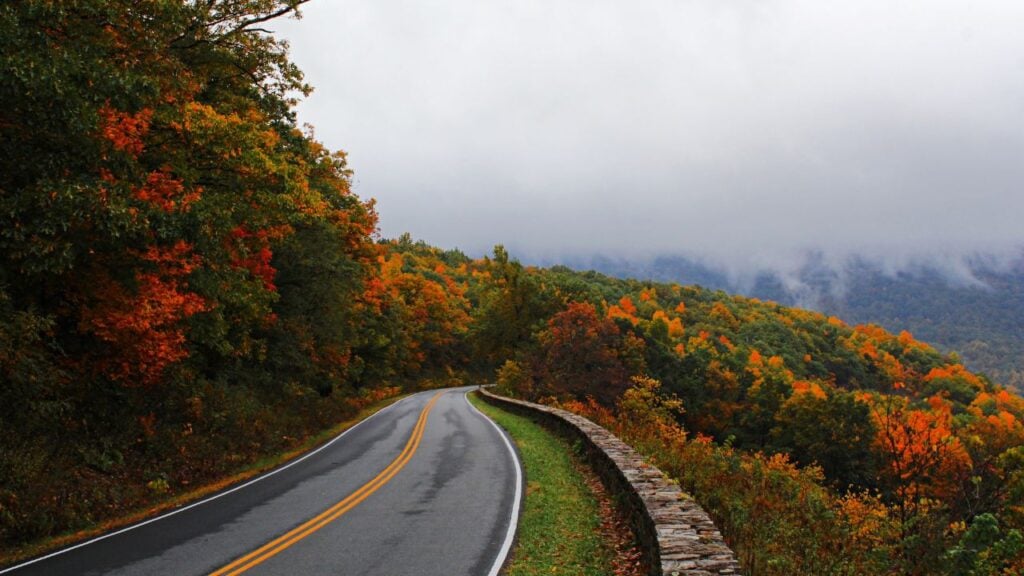
Sperryville has one road in, two blocks of Main Street, and a few hundred year-round neighbors, plenty for fifty-one weeks of the year.
The moment the ridge behind it turns red and gold, every car headed for Skyline Drive funnels straight through, and five other Virginia mountain towns feel the same squeeze.
6 Virginia Mountain Towns That Fill Up the Second the Leaves Turn
9 Virginia Backroads Locals Take to Skip the Interstate
Richmond drivers alone lost dozens of hours to rush-hour traffic last year, and I-81 backs up just as hard along the routes that feed Shenandoah’s entrance towns.
Some Virginians never sit in any of it because they know the roads that run alongside the interstate instead of on it.
