
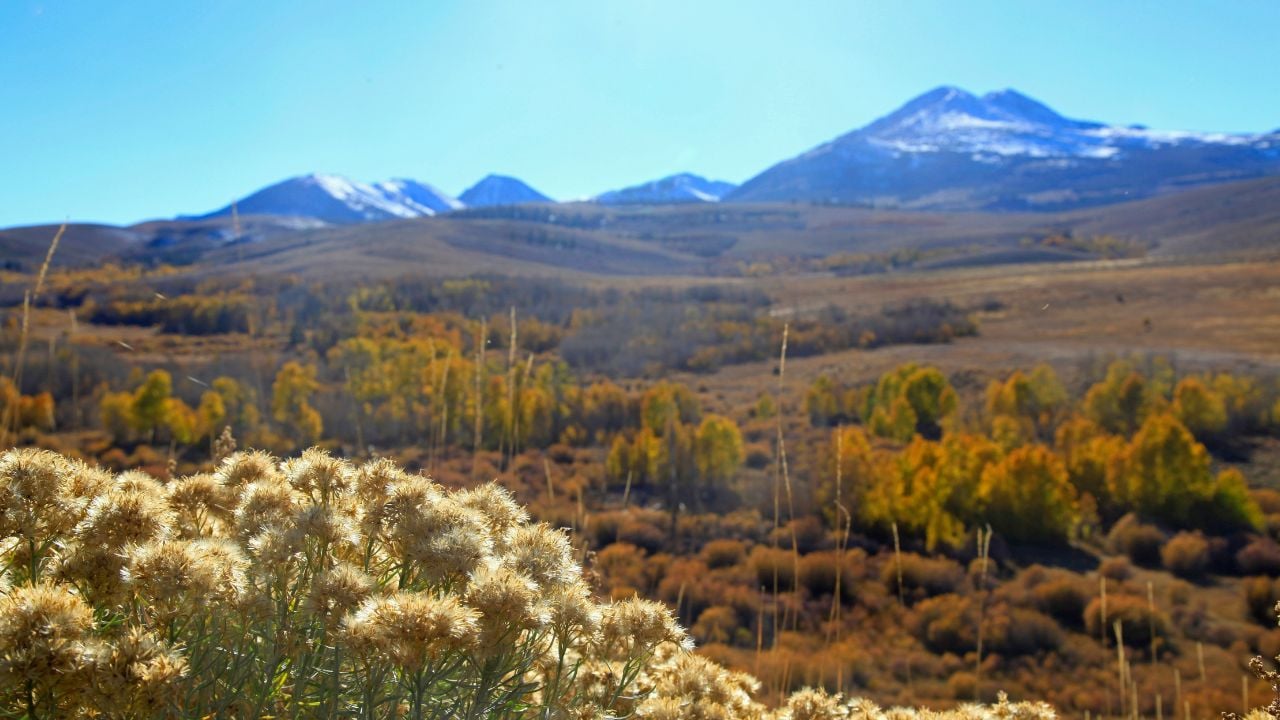
8 Eastern Sierra Mistakes That Ruin a First Fall Trip in California

The road to Devils Postpile drops to weekends-only access on Monday, per the Inyo National Forest’s construction schedule.
Full closure follows November 1.
A lot of what makes an Eastern Sierra fall trip work runs on dates like that, posted by agencies but not checked by tourists until they arrive.
These are the Eastern Sierra mistakes that ruin a first fall trip in California.
1. Assuming Tioga Pass Will Stay Open
Tioga Pass is the only road across the northern High Sierra, the direct link between Yosemite’s east side and the Eastern Sierra towns along US-395.
It doesn’t run on a fixed fall schedule.
Crews close it the moment a storm moves in.
A first-time visitor who builds a loop trip around driving straight through can lose the whole plan in one afternoon.
That’s not a detour.
It’s a lost day.
Once the pass shuts, the National Park Service’s posted route back around the mountains runs roughly eight hours.
That’s closer to 400 miles than the roughly ninety minutes a direct crossing normally takes.
How Early Tioga Pass Has Closed
Tioga Pass usually stays open past Labor Day, but nine decades of fall road records put its average closing date at November 3.
That average hides a wide spread.
The earliest closure on record hit September 4, in both 1943 and 1944.
The latest one didn’t come until mid-January.
2. Planning a Weekday Devils Postpile Trip
Devils Postpile National Monument and Rainbow Falls sit at the end of Reds Meadow Road, and a road reconstruction project changes how a first-time visitor reaches either one this fall.
The Mammoth Mountain-operated Reds Meadow shuttle stops running for the season on September 20, 2026.
From September 21 through November 1, the Forest Service opens the road to private vehicles on weekends only.
After November 1, it closes completely for the season.
A visitor who drives up on a Tuesday expecting the postpile columns and the waterfall finds a locked gate instead.
That’s the wrong trip.
3. Racing up to Altitude in One Day
Mammoth Lakes, one of the Eastern Sierra’s main hubs, sits close to 7,880 feet, high enough to catch a first-time visitor off guard.
Fall’s cooler air makes that altitude feel deceptively easy, and that’s exactly the trap.
A first-time visitor drives up from near sea level, feels a pleasant 60-degree afternoon, and heads straight out on a long hike.
The body doesn’t care.
A headache, nausea, or a pounding pulse by early afternoon can end a fall trip on day one.
Pushing through those symptoms only makes the descent worse.
4. Timing Fall Color to One Weekend
Eastern Sierra aspens don’t all turn on the same weekend, and a first-timer who books one date for the whole region usually misses half of it.
Bishop Creek and Rock Creek Canyon sit at the highest elevations, and Mono County’s tourism office says color there typically peaks mid to late September.
The June Lake Loop sits lower, and its peak doesn’t arrive until October.
The peaks land weeks apart.
Show up for Bishop Creek in October, and the leaves are already down.
Show up for June Lake in mid-September, and the trees are still green.
Psst! How ready is your first Eastern Sierra fall trip? Run through this checklist and see where you stand.
5. Treating Bodie Like a Summer Day Trip
Bodie State Historic Park runs on two different clocks, and fall is when the switch flips.
Through the end of October, the ghost town keeps summer hours of 9 a.m. to 6 p.m.
Starting November 1, California State Parks cuts that to 9 a.m. to 4 p.m.
That’s two fewer hours to see the town before the gate closes.
The last three miles in are unpaved.
There’s no warning sign.
A first snow on that stretch turns a rental sedan into a car that needs a tow.
A first-time visitor who planned around a lazy summer afternoon has neither the daylight nor the traction for it.
6. Skipping Chains for a Rental Car
Eastern Sierra mountain highways can post chain requirements while a valley town forty minutes away is still dry pavement and short sleeves.
Once an early storm rolls through, Caltrans can require chains or snow tires on the drive wheels of every vehicle that isn’t four-wheel drive.
The signs go up with little notice.
Many rental cars carry neither.
Officers can turn back a first-time visitor who skipped the chain aisle at a Bishop auto parts store, or leave the car stuck on the shoulder.
The rest of the itinerary waits on the other side of that grade.
7. Confusing an Open Road With an Open Trail
The Eastern Sierra road to Whitney Portal and the trail that starts there don’t close on the same calendar.
The road itself usually stays drivable from May into early November.
The Mount Whitney Trail is a different story, reliably free of snow and ice only from mid-July through early October.
It’s not the same season.
A first-timer who drives up in late October, sees an open parking lot, and heads out in sneakers is reading the wrong sign.
The road being open says nothing about the ice above tree line.
8. Trusting Just One Agency’s Website
A first-time Eastern Sierra visitor usually checks one website and calls it done.
Yosemite’s side of Tioga Pass belongs to the National Park Service.
Devils Postpile and Reds Meadow Road belong to the Inyo National Forest, a separate federal agency with its alerts page.
Bodie belongs to California State Parks, and the highway conditions in between belong to Caltrans.
That’s four different offices.
None of those four sites update the others.
Checking Yosemite’s page the morning of a Bodie trip tells a visitor nothing about the unpaved road three agencies away.
The closure that stops the day rarely shows up where they looked first.
Each of the four keeps a separate alerts page: Yosemite’s for Tioga Pass, the Inyo National Forest’s for Reds Meadow, California State Parks’ for Bodie, and Caltrans’ for the highway in between.
Bishop’s visitor center staff field the same confused call from first-timers all fall long, whenever the website said one thing and the gate said another.
9 California Tree Removal Rules Homeowners Find Out About Too Late
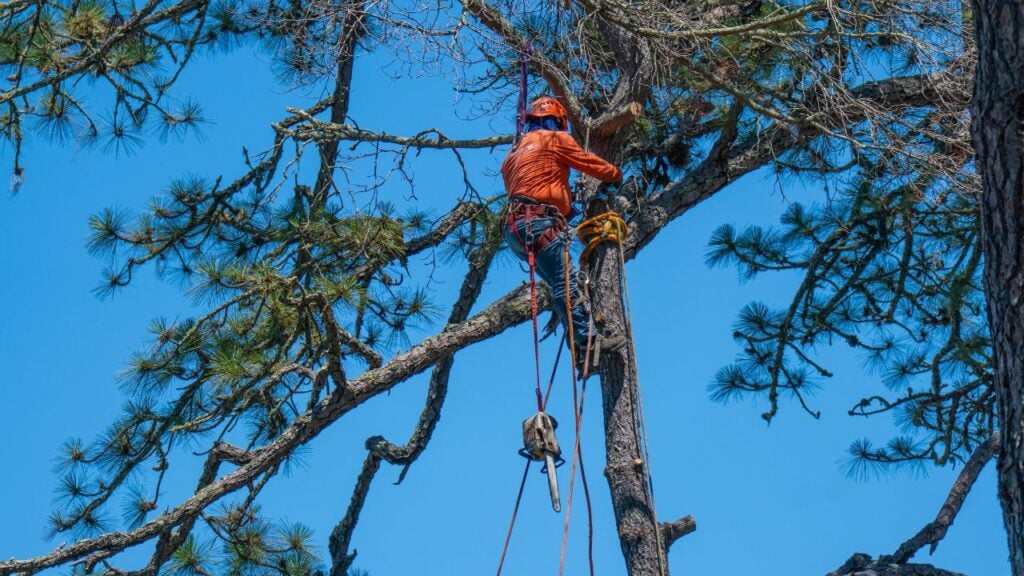
California doesn’t let a property line settle everything, especially once something is rooted in the yard.
Homeowners often find out about the permits and the protected species only after the saw already started.
9 California Tree Removal Rules Homeowners Find Out About Too Late
9 Everyday Phrases That Drive Californians Up the Wall
California stretches across a coastline, a desert, and mountains that see snow every winter, not just the beach towns outsiders picture.
A handful of everyday comments still make Californians grit their teeth.
