
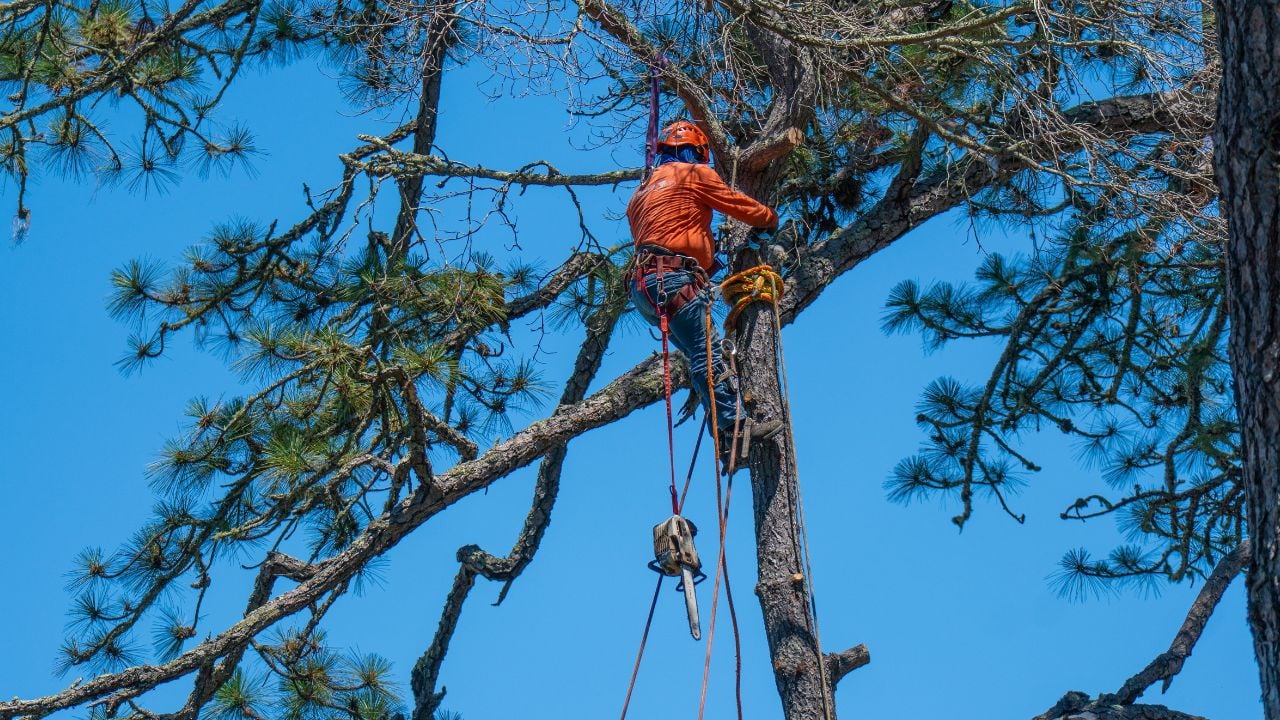
9 California Tree Removal Rules Homeowners Find Out About Too Late

Buying a property in California doesn’t automatically buy the right to remove what’s growing on it.
Many homeowners find that out only after the saw ran.
These are the tree-removal rules across California that homeowners sometimes discover only once it’s too late to change course.
Note: This is general information, not legal advice. Tree-removal permits, protected-species lists, and fines vary by city, county, and property type in California, and are subject to change.
1. Native Species Need a Permit
California cities like Los Angeles keep a short list of native trees a homeowner can’t just cut down.
Coast live oak and other native oak species except scrub oak, western sycamore, California bay, Southern California black walnut, toyon, and Mexican elderberry all made the city’s list once a trunk reaches 4 inches across, measured about waist-high.
That measurement is called diameter at breast height (DBH), and it’s how California ordinances size up a tree.
Skip the permit from the city’s Urban Forestry Division. The consequences don’t stop at a fine.
Los Angeles can withhold a homeowner’s building permits for up to 10 years over one illegally removed tree.
That’s not a typo.
It’s long enough to freeze a kitchen remodel, a new roof, or a garage conversion tied to a tree that came down years earlier.
Where California Measures a Protected Tree’s Trunk
California measures a tree’s trunk 4.5 feet above the ground, not down at the base where it flares out.
Measuring at that flare instead can make a protected tree look thinner than it is.
That 4.5-foot mark, known as diameter at breast height (DBH), is also what decides whether a permit applies at all.
A trunk 4 inches across at that height already counts as protected under Los Angeles’s ordinance, thinner than many homeowners expect a protected tree to be.
2. Trees Near the Sidewalk Count
San Francisco skips the species list altogether and protects trees by location instead.
Any private tree with a trunk within 10 feet of the public right-of-way picks up the same protection as a city street tree once it reaches 20 feet tall, a 15-foot canopy, or a 12-inch trunk.
No exotic species required.
That covers a lot of ordinary front-yard trees across San Francisco, not just rare specimens.
A homeowner still needs a permit from Public Works before removing the tree.
Miss that step, and the city treats it the same as someone cutting down a tree on a public sidewalk.
3. Oaks Trigger a County Permit
Sacramento County, in California, singles out one native tree species for special protection, the oak.
Valley oak, interior live oak, blue oak, and oracle oak all need a county tree permit before removal once a trunk hits 6 inches across, or 10 inches combined on a multi-trunked tree, inside the county’s designated urban area.
Cut an oak down without asking, and it’s not just a fine.
It’s a misdemeanor, punishable by up to six months in county jail, a $500 fine, or both.
Actual jail time.
A homeowner still owes a replacement tree afterward, on top of whatever the county already collected.
4. Coastal Zone Adds a Permit
Santa Cruz County adds a second layer of permitting to any property that falls inside California’s Coastal Zone, on top of whatever the city or county already requires.
A trunk 20 inches around already counts as protected within the county’s urban and rural service lines, and that protection reaches smaller sprout clusters and grove clumps too.
Move outside those lines, onto a scenic road or a coastal bluff, and the threshold jumps to 40 inches, though a tree in a sensitive habitat stays protected no matter its size.
Trimming back more than a third of the canopy counts as removal under the county’s code, not just cutting the trunk.
The planning director can call in a licensed arborist’s opinion before signing off on the permit.
That review isn’t automatic.
Skipping the permit step still counts as an illegal removal, coastal views or not.
5. Your HOA Has a Say
A homeowners association (HOA) can outrank a homeowner’s own judgment about a tree on their own lot in California.
California’s Davis-Stirling Act lets an HOA require written approval from the board or the architectural committee before a member changes the landscaping, and that includes taking down a tree.
The association has to explain a denial in writing and offer a way to appeal it, but it doesn’t have to say yes.
Not automatically, anyway.
Skip the process and remove the tree anyway, and many governing documents allow a fine, or an order to replant at the homeowner’s own expense.
Owning the lot isn’t the same as owning the final call.
Psst! Think you know which tree-removal rumors are true in California? Flip these cards and find out.
6. Shared Trunks Need Consent
California treats a boundary tree differently the moment its trunk crosses the line between two yards.
Under Civil Code Section 834, a tree whose trunk stands on the property line belongs to both neighbors, not just the neighbor who planted it.
Both, not one.
Neither side can cut it down, drastically prune it, or otherwise seriously injure it without the other’s consent.
Many homeowners only discover the tree is jointly owned once a survey, or an unhappy neighbor, points it out.
7. Guessing Wrong Costs Triple
California doesn’t settle a wrongful tree removal with just the cost of a replacement sapling.
Civil Code Section 3346 lets the wronged owner collect three times the tree’s actual value from whoever cut it down without permission.
Triple.
Guess wrong about a boundary line, or act on a genuine misunderstanding instead of malice, and the multiplier drops to double instead of triple, but it never drops to zero.
A mature tree can be worth tens of thousands of dollars, which turns one Saturday’s chainsaw work into a five-figure judgment.
8. Nesting Birds Delay Removal
California pauses tree removal during nesting season for a reason that has nothing to do with permits or property lines.
State law, under Fish and Game Code Section 3503, makes it illegal to take, possess, or destroy a bird’s nest or eggs.
The federal Migratory Bird Treaty Act backs that up, adding fines up to $15,000 and as much as six months in jail for one violation.
Nesting season runs roughly February through August, depending on the species and the location.
Half the year, basically.
A crew that starts a job in April can find itself stopped cold once someone spots eggs in the canopy, permit or no permit.
9. Power Company Outranks You
A homeowner in California must stay at least 10 feet back from an energized power line while trying to remove a tree themselves.
State safety law reserves that job for a certified line-clearance tree trimmer, whether or not the homeowner owns the tree in question.
Pacific Gas and Electric (PG&E) and California’s other utilities step into that gap, entering private property to trim or remove a tree near a line after notifying the owner rather than asking permission.
In high fire-threat districts, PG&E keeps as much as 4 feet of clearance around a line, more than double the 18 inches required elsewhere.
Call first, anyway.
Homeowners who hire their own crew to remove a tree near a line can end up liable for any damage to the equipment, on top of whatever the tree removal itself cost.
Trimming Can Trigger the Same Permit
California’s protected-tree rules cover more than a chainsaw through the trunk.
Los Angeles defines “removal” broadly enough to include killing a tree through root damage, grade changes around the base, toxic chemicals, or heavy equipment working too close to the trunk.
A construction crew that pours a driveway too close to an oak’s roots can trigger the same violation as cutting it down outright, without a single branch coming off.
Regrading a yard counts too.
Homeowners planning a remodel near a protected tree often find this out from a stop-work notice, not a permit clerk.
Replacement Trees Have Their Own Math
Sacramento County doesn’t let a homeowner off the hook just because a replacement tree goes in the ground.
A removed oak has to be replaced with a specimen tree of at least 15 gallons.
Not optional.
If the lot can’t fit enough new trees, the homeowner pays the difference into the county’s Tree Preservation Fund instead.
It’s money, not a maple.
New plantings on a project site are required to rebuild 50% of a valley oak’s canopy, or 30% of a blue oak’s, within 15 years of planting.
Sacramento County can also require a security deposit worth the full cost of the replacement work, held for up to five years to make sure the new trees survive.
9 California Squatter Laws That Cost Homeowners Who Ignore Them
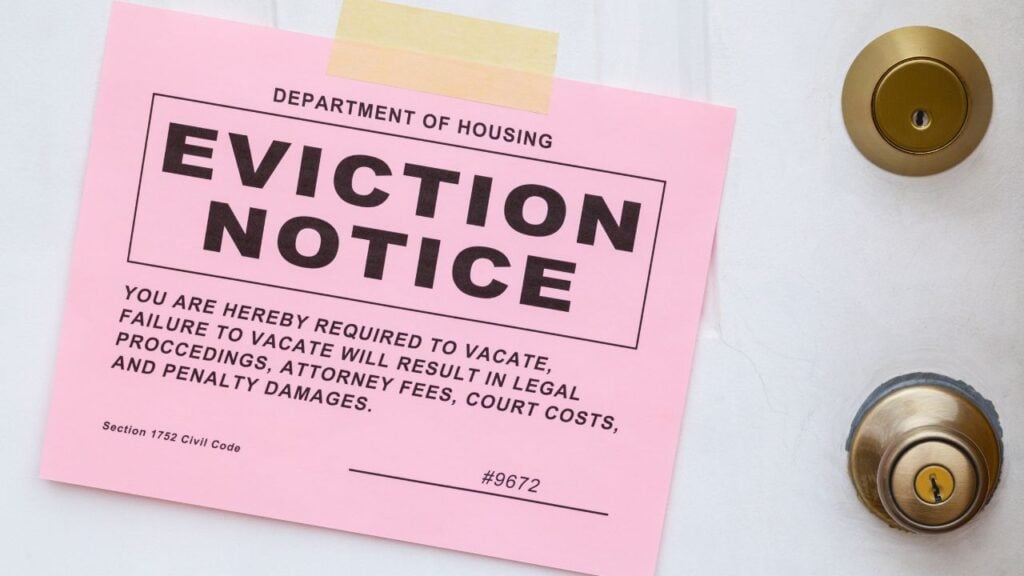
A family’s cabin near Lake Tahoe sits locked up all winter, and when they finally drive up in spring, someone else’s boots are already drying by the door.
California’s adverse possession rules can turn an empty house into somebody else’s claim faster than many homeowners expect.
9 California Squatter Laws That Cost Homeowners Who Ignore Them
10 California Beachcombing Rules That Can Cost Visitors a Fine

A California beach citation can start at $1,000 and reach past $50,000, depending on what a ranger catches someone doing.
These are the beachcombing rules that can turn a relaxed day at the coast into an expensive citation.
10 California Beachcombing Rules That Can Cost Visitors a Fine
