
10 Grocery Pricing Tricks That Make Pennsylvanians Spend More Than Planned

Pennsylvania has no unit-pricing law on the books. But a bill introduced this session, House Bill 1797, would change that.
Right now, no law makes a store post a price per unit correctly.
That costs shoppers.
These are the grocery pricing tricks that make Pennsylvanians spend more than planned.
1. Shrinkflation on the Shelf
A box of cereal at a Redner’s or a Weis in Pennsylvania can look untouched on the shelf while holding less inside than it did a year ago.
The price on the shelf tag stays exactly where it was.
The box just shrank.
The Federal Trade Commission (FTC) called out the pattern directly in a 2024 consumer alert.
A box, can, or bag can look the same on the shelf while holding less inside than it used to.
Nobody prints the size change on the front of the package, so a shopper who trusts muscle memory ends up paying the same money for less food, again and again.
2. Bigger Bags, Higher Price
Walk down a grocery aisle at a Giant or a Weis in Pennsylvania, and the bigger package looks like the obvious bargain.
Bigger isn’t always cheaper.
Researchers call the opposite pattern a quantity surcharge, and they’ve documented it in American grocery stores for decades.
The larger size sometimes costs more per ounce than the smaller size sitting right next to it on the same shelf.
The only way to catch it is to check both tags side by side before either size goes in the cart.
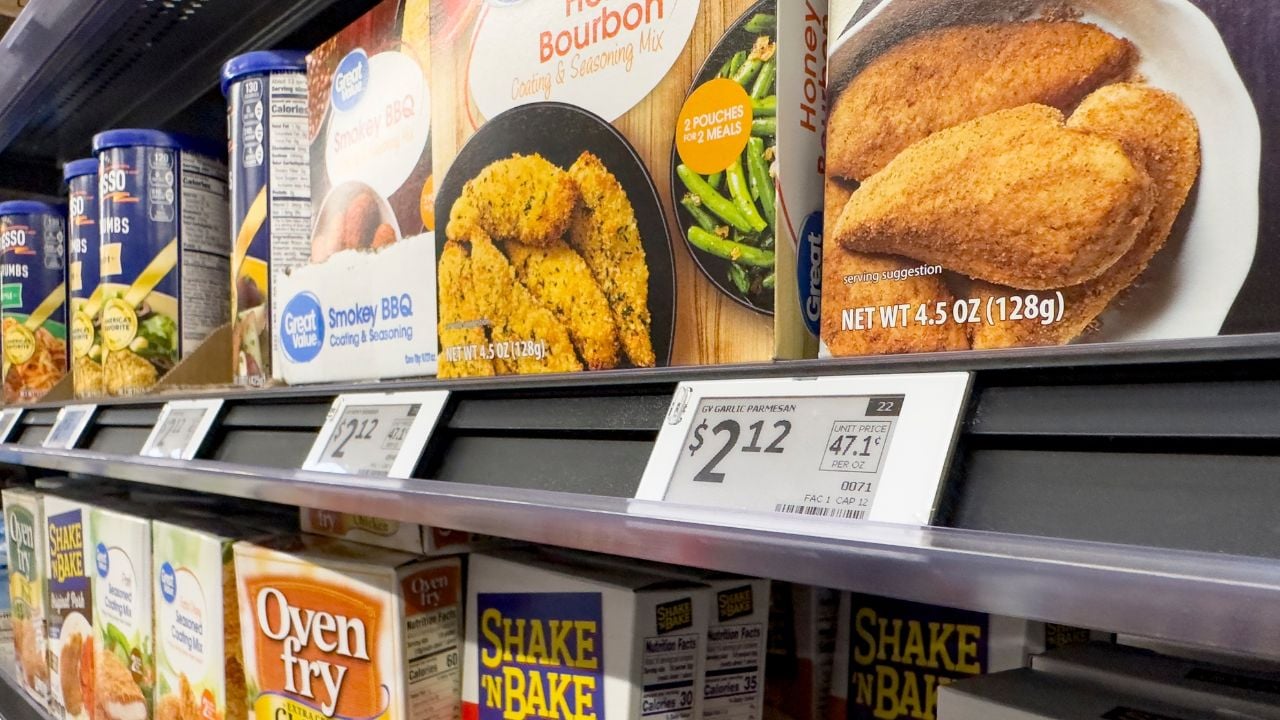
3. Unit Prices That Don’t Match When It Counts
Pennsylvania is one of the states with no unit-pricing law on the books.
Nothing forces a Redner’s or a Giant Eagle to post a price per unit at all, let alone post it the same way twice.
That’s the whole gap.
AARP checked shelf tags for a unit-pricing audit and found the pattern in practice: One detergent bottle’s unit price was listed per pound.
The bottle sitting right next to it was priced per quart, so a shopper has to convert weight to volume just to compare them.
The tag often disappears when a temporary sale sticker covers the everyday price.
That’s exactly when a shopper needs it to judge whether the sale is real.
Pennsylvania’s House of Representatives introduced House Bill 1797 this session, aiming to standardize the unit and require it consistently statewide.
Until it passes, comparing two sizes is homework the shopper has to do alone, one calculator tap at a time.
Do the Unit-Price Math Pennsylvania Won’t
Pennsylvania’s missing tag doesn’t mean the math is hard, only that a shopper has to run it.
Divide the shelf price by the ounces or count on the label, and the smaller of those two numbers wins, no matter which box looks bigger.
A $4.99 bag holding 15 ounces works out to about 33 cents an ounce.
A $7.49 bag holding 24 ounces works out to about 31 cents an ounce, a smaller gap than the size difference suggests.
4. Weekly Sale Reset
Traditional Pennsylvania supermarkets like Giant, Weis Markets, and Redner’s run on a pricing rhythm researchers call Hi-Lo.
Many weeks carry a higher regular price, with a discount that rotates through on a schedule.
Aldi and Walmart run the opposite play, called everyday low pricing, holding one steady number instead of cycling through highs and lows.
Buy during the high week, and a shopper pays more without ever seeing a sale sign to warn them.
The trick isn’t the sale.
It’s the regular price shoppers use to judge the sale.
5. Paid End-Cap Displays
Walk into a Redner’s or a Giant Eagle in Pittsburgh, and Pennsylvania shoppers face the same setup.
A display stacked at the end of the aisle looks like the store’s pick of the week.
The spot itself is usually rented.
Manufacturers pay the store a slotting fee for that visibility, the same way a billboard company charges for a spot along the highway.
The store collects that fee.
The regular price on the same product, a few feet away on the normal shelf, is sometimes lower than the display price.
6. Pricier Items at Eye Level
At a Giant or a Weis in Pennsylvania, the products sitting at adult eye level didn’t land there for the shopper’s convenience.
Retail merchandising research calls that middle band the buy zone, the same kind of negotiated shelf placement the Federal Trade Commission examined when it studied grocery slotting payments.
It’s usually the shelf spot brands negotiate hardest to hold.
Brands pay the most for that spot, too, the same way they pay for the end-cap a few aisles over.
The cheaper brand still exists.
It’s often sitting one shelf up or down from the shelf a shopper’s hand reaches for out of habit.
Psst! How much do you know about the pricing tricks Pennsylvania grocery stores use? Take our myth-or-fact challenge and see how many you get right.
7. Loss Leaders in the Back
Milk, eggs, and bread sit at the back of a Redner’s or a Weis in Pennsylvania on purpose.
Retailers call these staples loss leaders, priced low enough to pull a shopper through the door.
Placing them at the far wall means walking past every high-margin aisle in the store just to reach them.
That’s a long walk.
The basket usually grows before a shopper ever reaches the dairy case.
8. Sale Prices Behind an App
A sale price printed in Redner’s or Weis’s weekly ad isn’t always the price that rings up at the register.
Weis Markets runs its weekly deals through a Shoppers Club Card.
Other chains print some discounts as digital-deal only, unlocked by clipping a coupon in the store’s app first.
No card means no discount.
AARP has flagged this exact gap as a cost difference.
Shoppers who don’t carry a smartphone into the store, or skip signing up for the loyalty account, pay the higher price without ever seeing the lower price.
9. BOGO’s Free Feeling
At a Giant or a Redner’s in Pennsylvania, a buy-one-get-one deal adds up to the exact same total as 50% off two of the same item.
Shoppers don’t treat the two math problems the same, though.
Researchers call this the zero-price effect, and it shows people value “free” far more than an equal discount.
Shoppers feel that difference.
That feeling is why a BOGO sign moves more units, and a bigger basket, than the identical percentage-off tag ever would.
10. Checkout-Line Impulse Buys
The candy, gum, and single bottles of water stocked at a Giant or a Weis checkout line in Pennsylvania aren’t there by accident.
The store planned this too.
Retailers stock the register with small, high-margin items because a shopper’s resistance is lowest right after a full cart’s worth of decisions.
There’s nothing else to look at while waiting in that line.
Nobody plans for the candy bar at checkout, and that’s exactly the point of putting it there.
It’s the last chance the store gets to add one more item to a total that was supposedly already decided in the aisles.
9 Pennsylvania Covered Bridges Locals Detour For That Maps Rarely Show
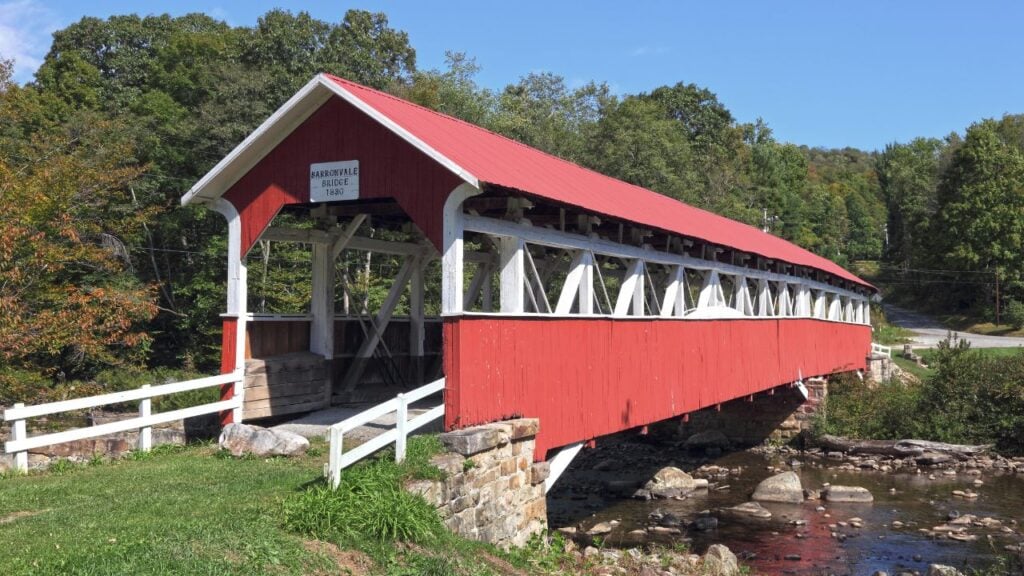
Many covered-bridge roundups for Pennsylvania circle back to the same five or six names, year after year, and that’s not because the rest disappeared.
It’s because nobody bothered driving the gravel roads to find the bridges that Bedford, Somerset, and Perry County locals still detour for on a Sunday afternoon.
9 Pennsylvania Covered Bridges Locals Detour For That Maps Rarely Show
9 Home Heating Assistance Programs Pennsylvania Retirees Overlook

A Pittsburgh retiree calls her gas company in January, braced for a shutoff, and hangs up enrolled in a program that forgives her old balance gradually.
Pennsylvania’s utilities run assistance that chips away at old debt month by month, and many retirees never call to find out it exists.
9 Home Heating Assistance Programs Pennsylvania Retirees Overlook
