
8 Pet Products Tennesseans Swear Their Pet Will Love and Doesn’t

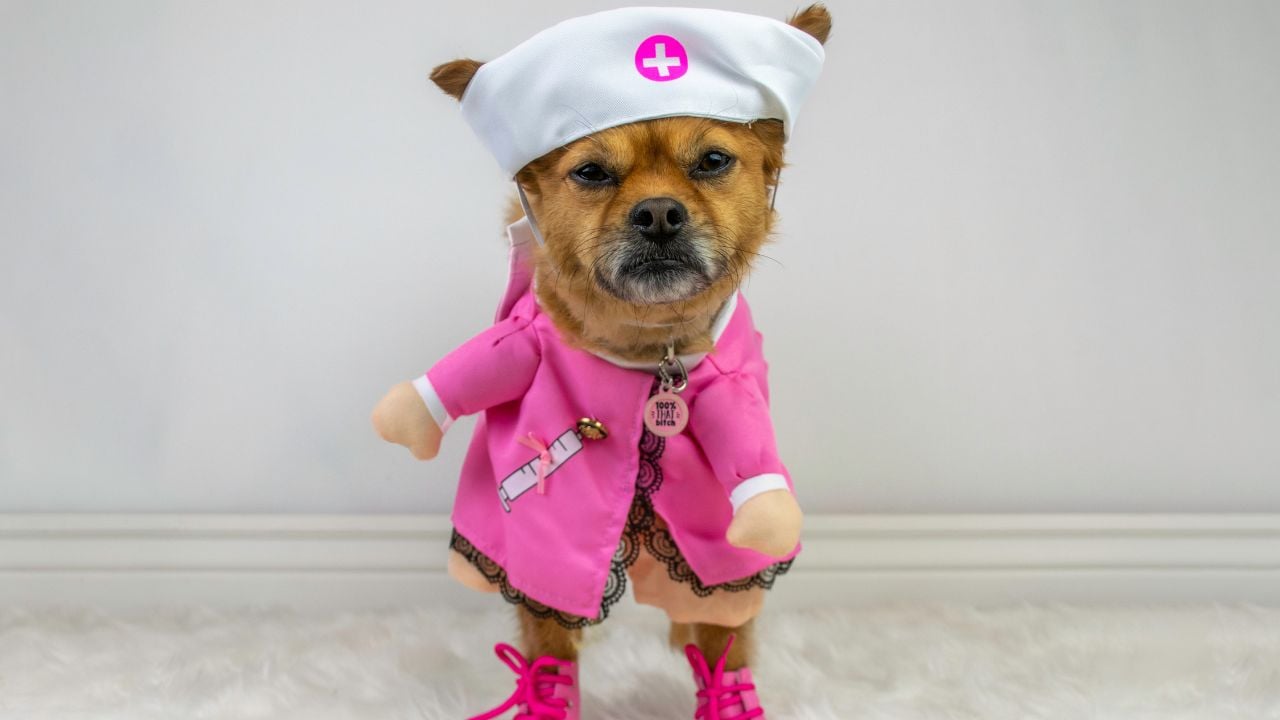
A YouGov survey of more than 5,000 American adults found only 16% think a pet likes or loves wearing a costume.
Sales don’t reflect that at all.
That gap between what an owner wants a pet to enjoy and what the pet does enjoy shows up all over a pet aisle.
These are the pet products Tennesseans swear their pet will love and doesn’t.
1. Winter Booties
Winter booties promise to keep a dog’s paws safe from ice, rock salt, and gravel every winter.
Tennessee owners buy a pair every year, swearing this is the year the dog finally tolerates them.
They rarely do.
A dog’s paw pads are packed with nerve endings that read the ground with every step.
Booties block that feedback.
Vets and trainers have a name for the freeze that follows, calling it bootie paralysis.
It’s the stiff-legged stall a dog does the first time it can’t feel the sidewalk under its feet.
Getting past it takes days of short, treat-filled practice with one bootie at a time.
Many owners skip that step, and the boots land in a drawer by the second walk.
2. Halloween Costumes
Halloween costumes fly off Tennessee store shelves every fall, and many owners are already picking one out for Nashville Humane’s Dog Day Festival costume contest in October.
A YouGov survey of more than 5,000 American adults found only 16% think a pet likes or loves wearing a costume.
A much bigger share said pets hate or dislike it instead.
Many owners dress a pet up anyway, certain their dog is the exception.
He usually isn’t.
A pet forced into a costume often freezes in place, licks its lips repeatedly, or tries to back out of the outfit.
Vets read all three as stress, not excitement.
None of that stops owners from snapping the photo anyway.
3. Multi-Tier Cat Trees
Multi-tier cat trees are the splurge many Tennessee cat owners make, sure a tall carpeted tower beats anything else in the living room.
The cat chooses the box.
A $200 tower goes up in the corner, and the cat still curls up in the empty delivery box it arrived in rather than climbing the platform.
Vets who study feline behavior point to the same reason every time: A cat feels safest somewhere fully enclosed, and no open-frame tower encloses anything.
Owners still find some use for the tower, just not the way the receipt promised.
Why Cats Choose a Box Over a Cat Tree
A cat tree offers height, but a cat’s calm comes from feeling hidden, not from height.
Researchers at Utrecht University gave newly arrived shelter cats access to a plain hiding box and tracked their stress scores against cats with no box at all.
The cats with a box showed a measurable stress difference within days, while the cats without one took much longer to settle in.
An open cat tower offers height, not a hiding spot, and a stressed cat wants the hiding spot first.
4. Automatic Laser Toys
Automatic laser toys get bought across Tennessee by owners sure a moving dot will burn off a cat’s energy while everyone’s away at work.
The cat stops chasing first.
Cats adapt to the same looping pattern fast, and once the dot stops surprising them, many cats just watch it crawl across the wall instead of chasing it.
A pet-industry survey of nearly 2,000 owners found that 28% now avoid buying laser toys altogether as a safety precaution.
Veterinarians point to the same reason: A beam that catches a curious cat’s eye directly can cause eye damage, unlike a toy the cat has to touch.
By the second week, the toy runs through its whole cycle to an empty room, the cat already curled up asleep across the house.
5. Automatic Ball Launchers
Automatic ball launchers sell Tennessee dog owners on a backyard where the family dog fetches all afternoon without anyone’s arm ever tiring out.
He froze instead.
The machine’s launch mechanism makes a sharp mechanical noise right before every throw, and many dogs bolt for the house the first few times they hear it.
PetSafe, a major maker of automatic launchers, publishes a step-by-step guide for exactly this problem.
It walks owners through slowly acclimating a startled dog to the sound before ever turning the launcher toward it.
A guide like that only exists because the fear reaction is common enough to need a fix.
Many families never get past that first startle, and the tennis ball goes back to being thrown by hand.
6. Self-Cleaning Litter Boxes
Self-cleaning litter boxes pitch Tennessee cat owners on a box that rakes itself the moment the cat steps out.
She avoids it.
Cornell’s Feline Health Center notes that most cats prefer simple boxes without hoods, let alone a motor.
Add a motorized rake that whirs to life on its timer, and a cat’s sharp hearing can turn a routine bathroom trip into something to avoid entirely.
PetSafe sells self-cleaning boxes and still publishes a troubleshooting guide for cats too spooked by the noise and motion to use the box.
Scoop a plain box by hand every day, and the fancier box ends up gathering dust in the closet instead.
7. Puzzle Feeders
Puzzle feeders show up in Tennessee homes because an owner is convinced a slower dinner means a calmer, more mentally stimulated pet.
He gives up.
VCA Animal Hospitals, a nationwide veterinary hospital network, notes that some of the more complicated feeders on the market ship with adjustable difficulty for exactly this reason.
A pet that can’t solve the puzzle fast enough just walks away hungry and frustrated.
A cat that bats a puzzle twice without a payout treats the whole thing as a bad deal and doesn’t try a third time.
Dinner goes back into a plain bowl, and the puzzle feeder waits on a shelf for a burst of ambition that rarely returns.
Psst! How much do you know about pet history? Take our quiz and see how many you can get right.
Quiz
Pet Trivia Pop Quiz
Answer these questions on pet history and records. We bet you can’t get them all right. Prove us wrong?
A raccoon named Rebecca lived in the White House after arriving as a planned ingredient for a 1926 holiday dinner. Which president kept her as a pet instead?
8. Anxiety Wraps
Anxiety wraps get bought every Fourth of July and every thunderstorm season, sold as a snug hug that calms a nervous dog on contact.
Many dogs stay anxious anyway.
A peer-reviewed study in the Journal of Veterinary Behavior put the pressure-wrap idea to the test on dogs already diagnosed with anxiety.
Wrapped dogs showed a smaller rise in heart rate than dogs with no wrap on, but researchers found little difference in the dogs' actual behavior between the two groups.
Half the fight some nights is just getting the wrap on before the fireworks start.
A dog that wriggles free of the wrap by the second boom of the night has made its preference clear.
By the third boom, many owners give up on the wrap and just sit with the dog until the storm passes.
9 Tennessee Road Signs That Mean Something Different Than Visitors Assume
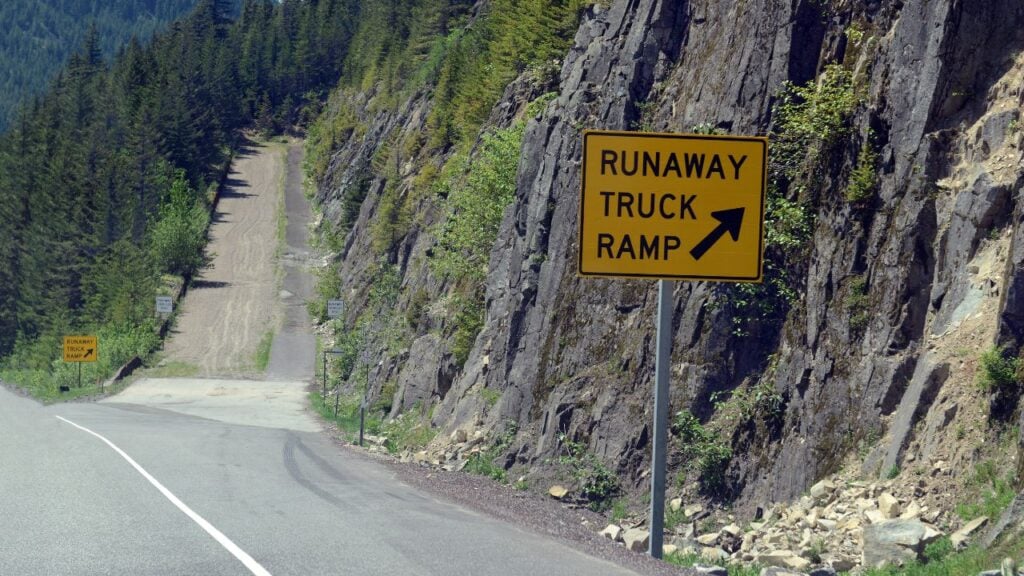
Interstate 24 carries road signs that mean something different than many out-of-state drivers assume.
Tennessee's traffic engineers place them for reasons that many drivers never learn.
9 Tennessee Road Signs That Mean Something Different Than Visitors Assume
6 Off-Menu Waffle House Orders Tennessee Regulars Swear By
Waffle House's hash browns come in more than 1.5 million possible combinations, and Tennessee regulars have their favorites memorized.
Two of the most popular cooking styles never even show up on the printed menu servers hand out.
