
8 Neighbor Behaviors That Can Hurt a North Carolina Home’s Property Value

A 2026 survey of more than 1,000 homeowners found 93% believe a poorly maintained yard next door signals lower home values.
Belief moves an offer as fast as fact does.
A North Carolina house can lose money without its owner doing anything wrong, and the fix is almost never on that owner’s property.
These are the neighbor behaviors that can hurt a North Carolina home’s property value.
Note: This is general information, not legal advice. Property line, nuisance, and rental rules vary by North Carolina city and county and are subject to change.
1. Junk Cars Parked in Plain Sight
A 2024 survey of 500 real estate agents found more than 40% naming too many cars around a home as a drag on a nearby North Carolina property’s value.
North Carolina cities back up that instinct with code enforcement aimed straight at junk and inoperable vehicles.
Greensboro’s code gives an unlicensed, non-running car seven days to get right once it’s cited, then tows it at the owner’s expense.
Some counties move slower.
A project car up on blocks can sit for months while paperwork catches up, and the house across the street sits on the market the whole time.
2. Letting the Lawn and Yard Go
Buyers touring a North Carolina block read an untended lawn before they read anything else about the house for sale.
A 2026 survey of more than 1,000 homeowners found 93% believe a poorly maintained neighboring yard signals lower home values.
Eighty-seven percent said they would worry a neglected neighbor’s yard could hurt the sale of their house.
That’s not a fringe opinion.
Raleigh writes the same worry directly into its code, defining a public nuisance as grass or weeds taller than eight inches on a residential lot.
High Point sets its line at twelve inches, and both cities can send a crew to cut it and bill the owner.
3. Piling up Yard Trash
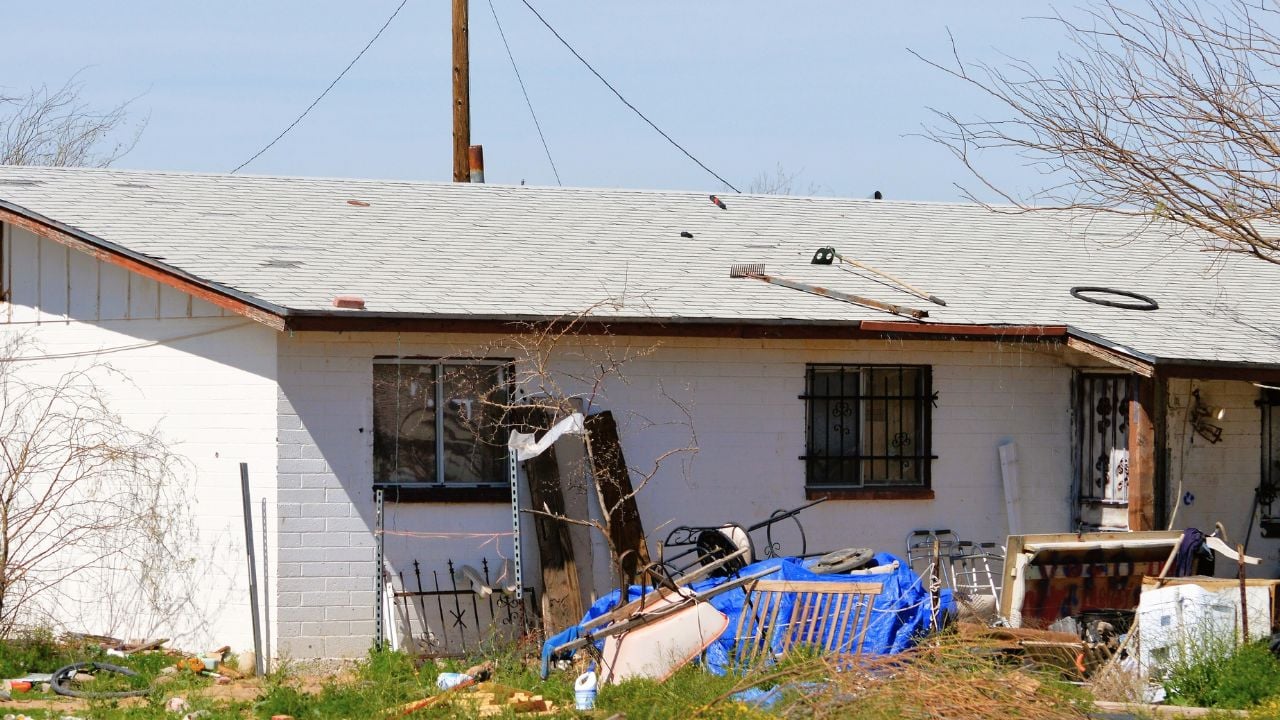
A North Carolina yard piled with trash, discarded furniture, and leftover building materials tells anyone walking the block that nobody’s watching.
The same 500-agent survey found 85% flagged trash and 82% flagged excessive clutter as reasons a nearby home loses value.
Another 69% pointed to yard waste, and 52% blamed leftover building materials.
The whole street pays.
Thirty-two percent of those agents said a neighbor’s yard clutter alone can knock 5% to 10% off a nearby property’s value.
Another 28% put the hit at 15% to 25%.
Buyers touring a street don’t separate one yard from the next.
A pile that never moves becomes part of the listing photos next door, whether the seller likes it or not.
4. Building Over the Property Line
A fence, shed, or addition that crosses a property line can freeze a North Carolina sale before a single showing happens.
North Carolina’s REALTORS® trade association spells out guidance for its members on this exact problem.
An encroaching structure makes title to both properties unmarketable, whether it’s a fence or a garage.
That’s unmarketable.
One word can stall a closing on the house that never crossed any line at all.
A buyer’s lender won’t fund a loan against a boundary dispute, and a title company won’t insure the title either.
So the fix falls on whoever built past the line, but the delay lands on both houses at once.
What “Unmarketable Title” Means
Marketable title means a North Carolina home’s ownership record carries no unresolved claim, boundary conflict, or encroachment a reasonable buyer would refuse.
A lender or title insurer won’t finance or insure a purchase until that record is clean.
That’s why one encroaching fence can freeze two closings at once, the seller’s and the neighbor’s, until somebody moves the line or signs a recorded boundary agreement.
5. Leaving a Dead Tree Standing
Nothing forces a North Carolina neighbor to take down a dying tree before it falls, and state law doesn’t hand an automatic bill to the owner either.
North Carolina follows a negligence standard, not a strict liability standard, and North Carolina State University’s Extension service explains the test in plain terms.
A tree owner can be held liable for the damage if the tree was visibly dead, decayed, or leaning before it fell.
Foreseeability is the test.
A 1969 North Carolina appeals case, Rowe v. McGee, shows how messy that question can get: The neighbors had gotten permission to remove a dying tree next door but never did.
When it finally fell, an appeals court sent the case back to a jury to weigh whether that delay counted against them too.
The record doesn’t show how the jury ruled.
Insurance usually covers the damage regardless of fault.
But a visibly hazardous tree hanging over a fence line reads as a red flag to a home inspector long before any wind picks up.
That red flag can push a buyer to walk instead of negotiate.
6. Running a Party-House Rental
North Carolina neighborhoods live with a short-term rental that turns into a recurring party house long before anyone puts a number on what it costs the block.
Neighborhoods from Raleigh’s Starmount area to Greensboro’s Lindley Park have gone through it: Repeated police calls, all-night noise, and cars crowding the curb around one rented house.
A 2026 Wake Forest Law Review analysis of North Carolina’s short-term rental fights names the pattern behind every one of those complaints.
Value drops.
That’s the pattern behind every noise complaint and packed curb the law review tracked.
State law also limits how far a city can go to stop it.
North Carolina courts have struck down local rental restrictions that reached too far, leaving permanent residents with fewer tools than they’d like against the house next door.
7. Letting a Home Sit Vacant
A North Carolina house doesn’t need a single resident to still shape what the block around it is worth.
A 2006 academic study of Philadelphia home sales appeared in the journal City & Community.
The study found that a single abandoned property pulled down the sale prices of homes within 450 feet of it by more than $7,000.
Pennsylvania isn’t North Carolina, but the mechanics of a vacant house dragging down its neighbors don’t stop at a state line.
Overgrown grass, boarded windows, and a mailbox stuffed with flyers are the visible signs that a house has gone empty for good.
They add up fast.
Buyers who tour a street with one obviously empty house tend to wonder what happened there.
That hesitation follows them into every other offer they make on that block.
Psst! How much do you know about North Carolina homeownership and homeowner association history? Take our quiz and see how many you can get right.
Quiz
North Carolina Homeownership IQ
Answer these questions on North Carolina property law, homeowners association (HOA) rules, and zoning history. We bet you can’t get them all right. Prove us wrong?
How many years of uninterrupted possession does North Carolina require before someone can legally claim land through adverse possession?
8. Paint and Lighting That Clash
A North Carolina neighbor's paint or lighting choices don't need to break a single rule to become a problem for the house next door.
A 2026 survey by Thumbtack found excessive outdoor lighting topped the list of what irritates homeowners about a neighbor's yard nationwide, with bright or unconventional exterior paint close behind.
Thumbtack framed 2026 as a year built around self-expression in curb appeal, the same impulse homeowners lean on right before a color or a floodlight draws a complaint.
That survey measured irritation, not resale prices. It never put a number on what any of it does to a sale, unlike the lawn complaints above.
Appraisers have a name for what a jarring exterior does to value anyway: external obsolescence.
That's value lost to conditions outside the property line, like a neighboring house nobody would call move-in ready.
Neither a bold paint job nor a bright floodlight breaks a North Carolina statute.
The books say nothing.
But an appraiser walking the block still forms an opinion before ever ringing a doorbell, and a buyer touring the street forms that same opinion earlier still.
A lime-green front door or a spotlight aimed straight into a neighbor's bedroom window won't show up on any home inspection report.
It shows up in how fast that neighbor's house sells, and for how much.
9 Surprising Bank Fees North Carolina Customers Are Charged For

A checking account can rack up a monthly fee in North Carolina without a single overdraft, bounced check, or mistake on the customer's part.
A low balance on the wrong day is sometimes all it takes.
9 Surprising Bank Fees North Carolina Customers Are Charged For
8 North Carolina Pawn Shop Rules Bargain Hunters Learn the Hard Way
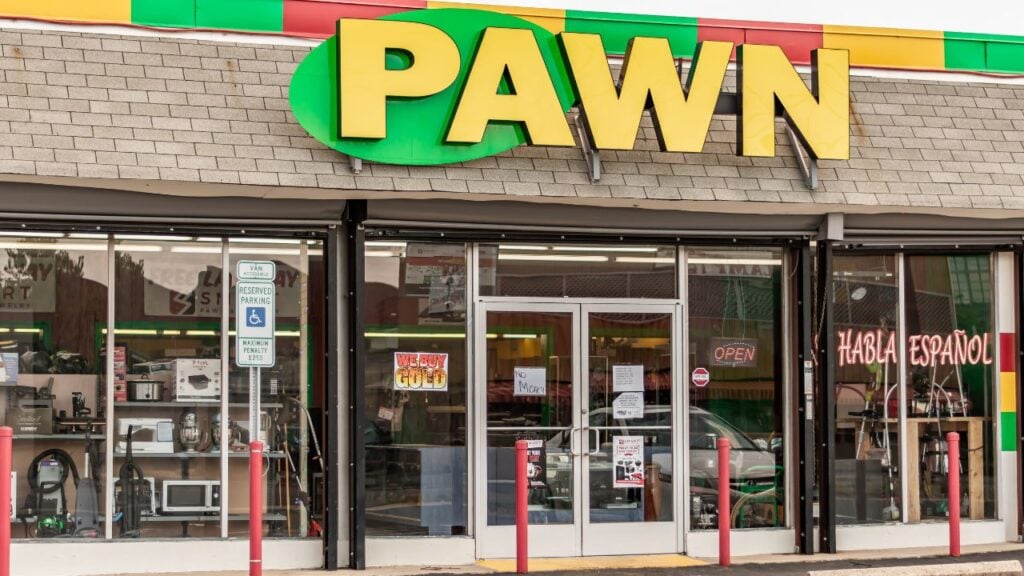
A North Carolina pawnbroker can legally hand over a receipt for stolen property and never know it.
No refund is guaranteed if the original owner comes looking for it later.
8 North Carolina Pawn Shop Rules Bargain Hunters Learn the Hard Way
