

6 Subscription Tricks That Make It Maddeningly Hard for New York Customers to Cancel

A rider trying to cancel Uber One can face 23 screens and 32 separate actions, according to a lawsuit the FTC and 21 states filed.
New York’s attorney general is one of them.
The state has required an easy cancellation option since 2021, which tells you how well that’s been going.
These are the subscription tricks that make it maddeningly hard for New York customers to cancel.
Note: This is general information, not legal advice. Cancellation policies and consumer protection laws are subject to change.
1. SiriusXM’s Six-Part Phone Call
SiriusXM lets a customer sign up online in a few clicks, then requires a phone call to leave.
A New York Supreme Court justice ruled in November 2024 that SiriusXM’s six-part cancellation call violated federal law.
The agent on that call could offer as many as five separate deals to stay before letting the call end.
One case ran forty minutes.
Roughly 2 million of SiriusXM’s subscribers live in New York, and the company must now let them cancel without ever picking up the phone.
2. Equinox’s Save-the-Member Script
A gym membership at Equinox is easy to start at a front desk and, according to New York’s attorney general, hard to end at the same one.
Investigators found that managers were told in writing to talk a hesitant member out of leaving, offering a freeze or a transfer, before a cancellation request was ever honored.
Members who tried canceling by web chat fared no better.
The chat option wasn’t advertised, and Attorney General Letitia James found it buried behind prompts and retention pitches. Some members walked away believing mail or an in-person visit was the only way out.
Retention pitches, on repeat.
Equinox agreed in August 2025 to pay $600,000 and train every location’s staff on New York’s cancellation law.
3. Aneva Gym’s In-Person-Only Exit
New York’s Health Club Services Law gives a member 3 business days to walk away from a new contract with no questions asked.
Aneva Gym, a Long Island City club, gave members 30 days instead, and only in writing, in person.
The attorney general also found the gym had never posted the $50,000 consumer protection bond every New York health club is required to carry. It had never handed new members a written contract, either.
No bond. No contract.
Aneva settled in August 2025 for a $5,000 fine, restitution to members, and a promise to let people cancel by phone, mail, email or in person. That’s what the law already required.
The Two New York Laws Behind These Cases
New York has required an easy cancellation option since General Business Law Section 527-a took effect in February 2021.
The statute requires a cancellation mechanism “as easy to use as the mechanism that the consumer used to provide consent,” and it’s the law Equinox’s case cited.
Gyms answer to a second, older statute: The Health Club Services Law sets that 3-day walkaway window. It also forces every New York club to post a bond before it can legally sign up a single member.
SiriusXM’s court case leaned on a federal law, not either of these, but New York shoppers have carried both state protections for years.
4. Uber One’s 23-Screen Exit
Uber One turns canceling into an obstacle course of screens before a rider ever reaches the last one.
The Federal Trade Commission (FTC) and 21 states, including New York’s attorney general, allege in a lawsuit that Uber One traps riders in its screens.
A rider trying to cancel can face as many as 23 screens and 32 separate actions before the subscription ends.
Uber liked its maze enough to publish a video walking riders through it. Regulators point to that video’s view count as proof the company knew exactly how hard it had made leaving.
A tutorial, for canceling.
A federal judge let most of the case move forward in April 2026, ruling Uber’s defense wasn’t enough to shut the claims down on paper alone.
5. 1-800-Flowers’ Two-Year Charge
One 1-800-Flowers customer discovered she’d been charged for a subscription for two straight years without a single renewal notice.
She wasn’t the only one. New York’s attorney general found the flower and gift retailer buried its subscription terms in fine print and never secured clear consent before enrolling shoppers.
The subscriptions ran $14.99 to $29.99 a year, small enough that many cardholders never noticed the charge at all.
Two Christmases, unnoticed.
1-800-Flowers paid $375,000 in July 2026. It must now send a renewal notice and refund customers nationwide who paid for a subscription they never used.
6. Thirty Madison’s Multi-Step Cancellation
Thirty Madison, the telehealth company behind subscription treatments for hair loss and migraines, signs a patient up in one short intake form.
Getting back out took several more steps than getting in. New York’s attorney general found the company failed to clearly disclose auto-renewal and price increases after a customer’s first order.
One step too many, twice.
Thirty Madison charged some patients again while their cancellation was still processing, according to the attorney general.
Thirty Madison agreed on August 24, 2026, just days before this piece was written, to pay $400,000. The company must now process refunds automatically for anyone charged after asking to leave.
Psst! How many of these subscription traps have caught you? Run through this checklist and see where you stand.
The Click-to-Cancel Rule
A federal rule called click-to-cancel was supposed to make canceling this easy everywhere, not just in New York.
The FTC finalized the click-to-cancel rule in October 2024, requiring every business nationwide to make canceling at least as easy as signing up.
The Eighth Circuit Court of Appeals struck the rule down in July 2025, just days before its toughest requirements were set to take effect.
So close.
The scale of the problem is still national even where the fixes above are New York’s. Amazon paid $2.5 billion in September 2025 over Prime’s cancel-page maze. A full $1 billion of that stands as the largest civil penalty the FTC has ever collected for breaking one of its rules.
None of the six cases above depended on the vanished click-to-cancel rule anyway.
Regulators used older tools instead: The federal Restore Online Shoppers’ Confidence Act (ROSCA), or New York’s cancellation and health club laws, won every one of these cases.
The FTC reopened its rulemaking process in 2026, but until a new rule survives in court, ROSCA and New York’s state laws are the backstop a subscriber has.
Reporting a Company That Won’t Cancel
New York residents don’t have to accept a cancellation fight as the cost of doing business with a subscription company.
New York’s Attorney General takes consumer complaints online, covering everything from streaming services and software to gym contracts and flower deliveries.
It doesn’t take long.
A single complaint, multiplied by enough other New Yorkers filing the same one, is what an investigation starts from.
Screenshotting a cancellation attempt before it fails helps build a record if a pattern shows up.
Noting the date and time of every retention call adds to that record. A member number or confirmation code turns a screenshot into evidence an investigator can trace back to an account.
5 New York Property Tax Exemptions That Expire Without a Warning Letter

New York sends $2.1 billion in School Tax Relief (STAR) benefits to nearly 3 million homeowners and seniors every year, and that’s the property tax break many New Yorkers already know by name.
Several other property tax breaks work differently, and they can shrink or disappear with no letter in the mailbox to warn a homeowner first.
5 New York Property Tax Exemptions That Expire Without a Warning Letter
9 Items New York Residents Can Be Fined for Leaving at the Curb
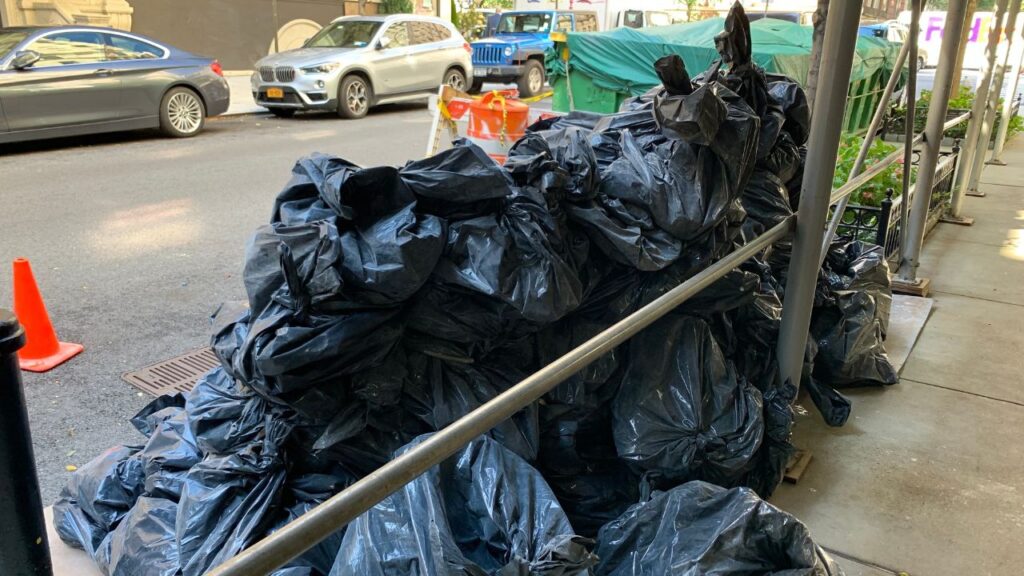
A sanitation officer doesn’t need to learn a resident’s name before writing up what’s sitting at the curb.
A quick photo, or a neighbor’s phone call to 311, is often all the evidence a citation needs.
9 Items New York Residents Can Be Fined for Leaving at the Curb
