
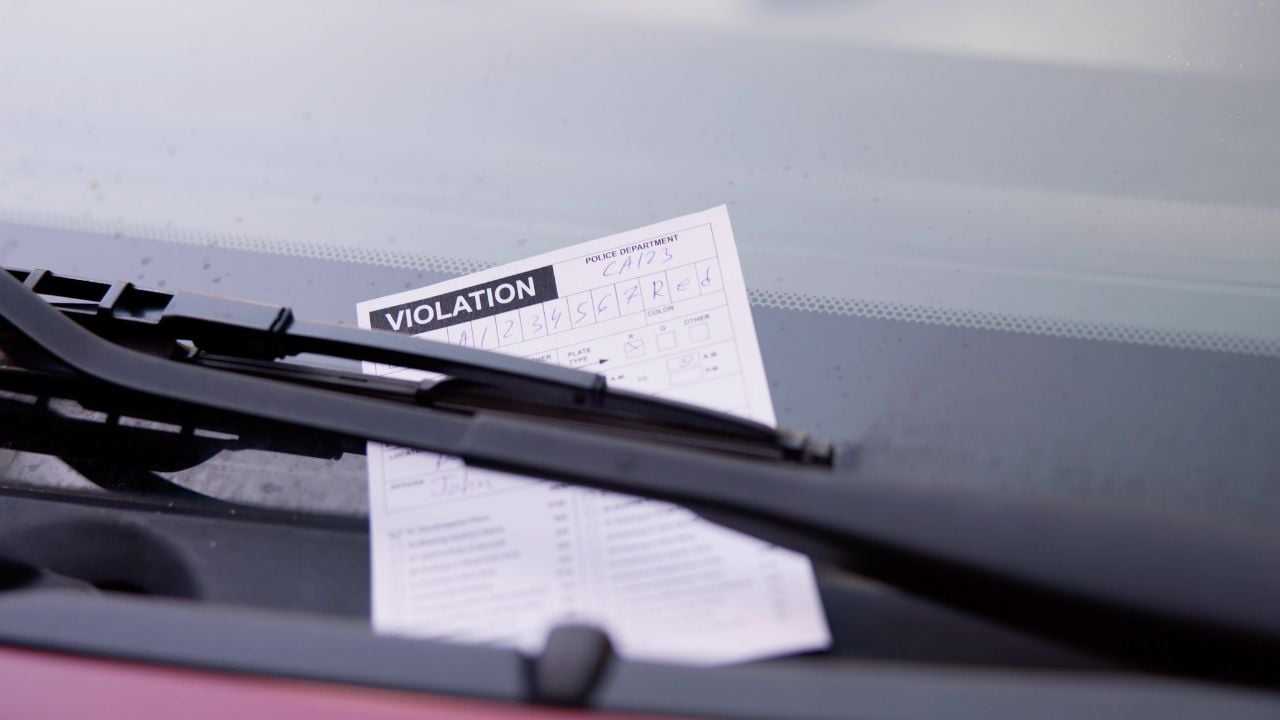
What Happens If You Don’t Pay a Parking Ticket in New York City?

New York City logged more than 16.5 million parking and camera tickets last fiscal year, over $1.1 billion in fines.
An unpaid ticket picks up $10 at 30 days, another $20 at 60, and another $30 at 90, then turns into a court judgment around day 100.
After that, it collects interest, and a boot or a tow is on the table once the judgment debt reaches $350.
Note: This is general information, not legal advice. Parking penalties and judgment timelines are subject to change, so confirm the current details with the New York City Department of Finance.
The First 30 Days
New York City gives a driver 30 days from the date a parking ticket is issued to pay it or request a hearing.
Miss that window, and the city’s Department of Finance starts adding penalties automatically.
That’s the whole window.
A hearing request inside that window pauses the ticket while an administrative law judge reviews the case, and it doesn’t cost anything extra to ask for one.
Payment or a hearing request goes through the Department of Finance, whether a driver pays online, by mail, or in person.
Penalties Start Adding Up
A parking ticket’s first penalty in New York City is a flat $10, added automatically once it passes 30 days without payment or a hearing request.
Another $20 lands at 60 days, and a third penalty of $30 lands at 90 days.
The total rises fast.
By the time a ticket reaches 90 days unpaid, it’s carrying extra penalties on top of whatever it cost the day it was written.
The Math Behind a New York City Parking Ticket
Add them up, and a New York City parking ticket carries $60 in penalties on top of its original fine by the 90-day mark alone.
It keeps growing once the ticket enters default judgment at 100 days and starts collecting interest.
Default Judgment at 100 Days
A parking ticket that’s still unpaid and undisputed at about 100 days enters default judgment in New York City, according to the Department of Finance.
Judgment means an administrative law judge has effectively ruled against the driver by default, since nobody paid or showed up to contest it.
From this point, interest accrues on the full balance, and the ticket becomes eligible for boot or tow enforcement once it crosses the next threshold.
When New York City Can Boot Your Car
New York City can boot a car once its judgment debt reaches $350 or more, per the Department of Finance’s booting rules.
Debt is debt.
That threshold covers the total judgment amount, not the number of tickets.
One big ticket can trigger it just as fast as several small ones.
The boot fee runs $185 as of late 2025.
On top of that, the city adds a $95 sheriff’s or marshal’s execution fee, plus a 5% poundage fee on the fines, penalties, and interest owed.
A driver pays that debt online at nycbootpay.com, by phone, or in person at a Department of Finance business center.
Psst! How much do you know about New York City’s streets and traffic history? Take our quiz and see how many you can get right.
Getting the Boot off, or Getting Towed
A driver in New York City has 24 hours to return a boot after paying it off.
Hold onto it longer, and a $25-per-day late fee kicks in, up to a $500 maximum.
Ignore the judgment debt instead, and the car is next in line for a tow.
It’s a short window.
New York City can tow a vehicle immediately, without waiting out that window, if the owner owes $2,500 or more.
The same goes for a car with invalid registration or one the city flags as a public safety issue.
Your Registration Can Get Blocked Too
New York State’s Department of Motor Vehicles (DMV) blocks a driver’s registration renewal once their unpaid New York City judgments pile up.
That means 3 or more parking and camera judgments within 18 months, or 5 or more parking judgments within 12 months.
Red light, bus lane, speed, and weigh-in-motion camera violations all count toward that 18-month threshold alongside ordinary parking tickets.
A driver clears the hold by paying what’s owed, enrolling in a payment plan, or winning a hearing on a judgment less than a year old.
There’s more than one way to clear it.
Once cleared, New York City transmits the release to the DMV within 72 hours online, or the same day at a Department of Finance business center.
Collections and What the City Can Take
An unpaid parking judgment in New York City can end up with a collection agency once it’s been sitting in default for a while.
The city can also move to seize assets tied to the debt, according to the same Department of Finance collections process.
It just keeps growing.
A hearing is still possible on a ticket in judgment, but only within one year of the date it entered judgment.
Psst! Every stage above fits on one sortable table. Tap a column to sort it, or search for the stage you’re worried about.
How to Stop the Clock Early
New York City issued more than 16.5 million tickets last fiscal year, worth over $1.1 billion in fines, according to the Department of Finance.
Divide that by the days in the year, and it works out to more than 45,000 tickets written across the five boroughs every single day.
New Yorkers pay off many of those tickets before they reach the stages above.
Stopping the clock on the rest comes down to acting before a boot or a tow.
Paying the ticket in full is the simplest way, and it works right up until the moment a boot goes on.
A hearing works too, but only within the deadlines above: 30 days for a fresh ticket, or one year after a ticket enters judgment.
New York City also runs payment plans for judgment debt, letting a driver spread the balance out instead of paying it all at once.
Enrolling in one clears a registration hold within 72 hours, the same as paying in full.
Waiting is the expensive option.
Psst! How much do you know about America’s driving laws? Take our quiz and see if you can score 100%.
FAQ
Quick answers to what New Yorkers ask most about an unpaid parking ticket in New York City.
What happens if you don’t pay a parking ticket in New York City?
A New York City parking ticket left unpaid enters default judgment at about 100 days. From there, the city can charge interest, boot the car, or send it to a tow lot.
How many days do you have to pay a NYC parking ticket before penalties start?
You have 30 days from a ticket’s issue date to pay it or request a hearing before New York City’s Department of Finance adds a late penalty. Miss it, and a $10 penalty attaches at the 30-day mark.
How much does it cost to get a boot removed in New York City?
New York City charges a $185 boot fee on top of the judgment debt owed. The city adds a $95 sheriff’s or marshal’s execution fee and a 5% poundage fee on the fines, penalties, and interest, too.
Can unpaid NYC parking tickets stop you from renewing your car registration?
Yes. New York blocks registration renewal once a driver has 3 or more camera and parking judgments within 18 months, or 5 or more parking judgments within 12 months. Paying or setting up a payment plan clears the hold within 72 hours.
How long do you have to get a boot off before New York City tows the car?
You have about 2 business days after a boot to pay the judgment debt before New York City can tow the vehicle. Towing is immediate if you owe $2,500 or more, have invalid registration, or the vehicle poses a safety issue.
Camera Tickets Move Faster
Camera-issued violations, like a red light or bus lane ticket, move through a faster version of the same system.
New York City adds a $25 penalty and enters the ticket into default judgment at about 75 days, 25 days sooner than a standard parking ticket.
8 New York City Trash Rules That Sound Fake but Aren’t
New York City sells one particular trash can, and skipping it can cost a building money.
That’s only one of the sanitation rules that sound made up until you check the city’s website.
8 New York City Trash Rules That Sound Fake but Aren’t
5 New York Property Tax Exemptions That Expire Without a Warning Letter

New York is sending $2.1 billion in property tax relief to homeowners this year, and many people only know the one break by name.
A handful of other exemptions work differently, and they can shrink or disappear with no letter in the mailbox to warn you first.
5 New York Property Tax Exemptions That Expire Without a Warning Letter
