
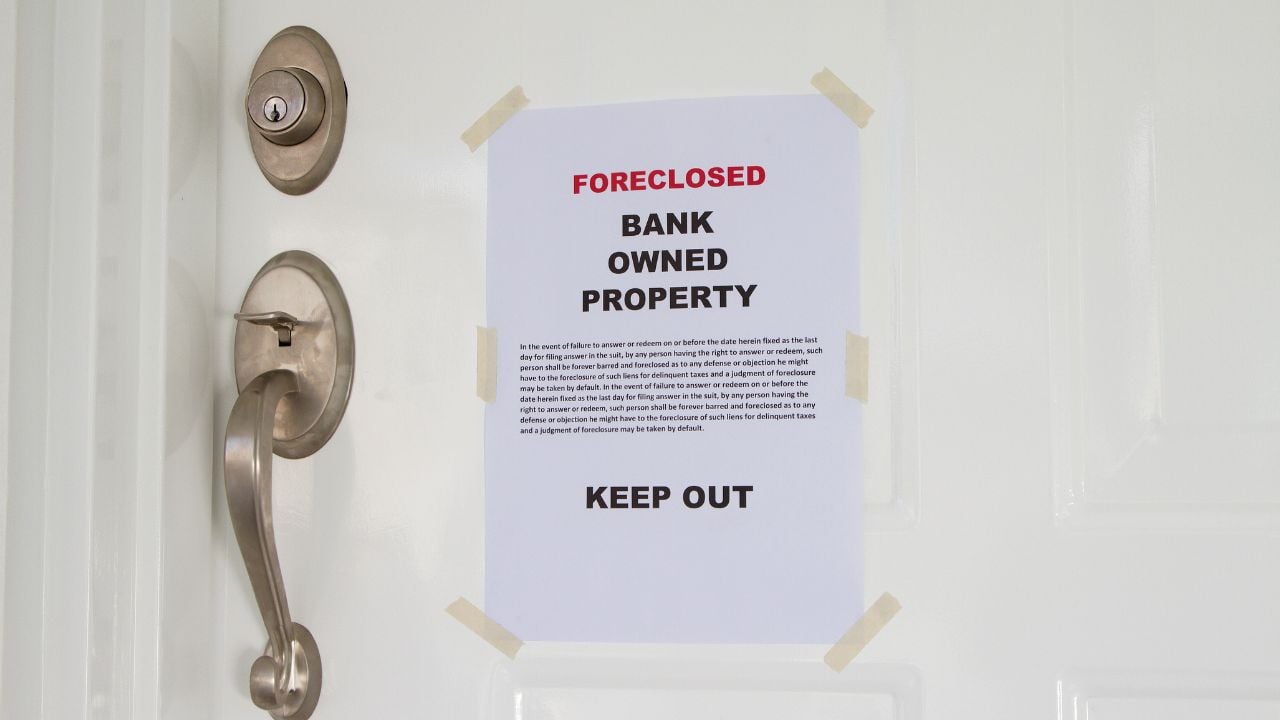
What Happens If You Miss a Property Tax Installment in Pennsylvania? 6 Consequences to Expect

Northampton County’s installment plan attaches a 10% penalty to any payment made after its due date, which turns a $600 installment into $660.
Pay more than 10 days late, and the taxpayer loses the installment option for the following year.
From there the account moves to the county Tax Claim Bureau, picks up around 9% a year in interest, and heads toward an upset tax sale.
Note: This is general information, not legal or tax advice. Installment options, penalties, and tax sale timelines vary by Pennsylvania county and are subject to change.
1. Penalty Lands on That Installment
Pennsylvania property tax installment plans exist for convenience, and the penalty for breaking one shows up fast.
Northampton County applies that 10% penalty to a partial payment exactly as it does to a missed one.
That penalty lands on top of the missed installment, not instead of it.
The penalty stands regardless.
Every Pennsylvania county, city, or school district sets its installment percentage and due dates independently.
A plan two counties away can treat that same missed payment very differently.
2. You Lose Your Spot on the Plan
A Pennsylvania taxpayer who slips on one due date can lose more than a fee.
Lackawanna County’s four installments fall on March 31, June 30, Aug. 31 and Oct. 30.
The county’s notice is direct about what a missed date costs.
Nonpayment by a due date brings a penalty, and the county accepts no partial payments after that.
Northampton County goes a step further.
An incorrect or late installment payment there can make the entire property ineligible for the installment plan, not just that one payment.
Allegheny County ties the same risk to its senior-only, two-payment option.
Its grace period runs 10 days, and past that the option is gone for the following year.
Three counties, one shared consequence.
3. Balance Starts Costing More
Pennsylvania’s installment plans skip the early discount that a lump-sum payment earns, so a broken plan already starts behind.
Lackawanna County and Northampton County both say it the same way: No discounts apply once a taxpayer chooses the installment option.
If you miss a payment inside that plan, the missed portion can carry into the same interest and cost schedule as a fully delinquent tax bill.
Philadelphia’s real estate tax, once delinquent, collects 9% interest a year, the same rate billed out to 0.75% a month, not two separate charges.
York County runs close to the same rate on delinquent taxes already sent to its Tax Claim Bureau, charging about 9% a year on the combined base and penalty.
That adds up.
Two counties, two separate bureaus, the same math.
The Math Behind a Missed Installment
A Pennsylvania installment plan turns a missed date into extra cost fast.
Take a $600 installment under Northampton County’s plan: A 10% penalty adds $60 to that single payment, on top of whatever is still owed for the rest of the year.
That penalty applies per installment, not once for the whole year.
If a taxpayer misses two payments in the same plan, they can face two separate 10% hits instead of one.
Psst! How much do you know about Pennsylvania’s property tax system? Take our quiz and see how many you can get right.
Quiz
Pennsylvania Tax IQ
Answer these questions on Pennsylvania’s property tax system. We bet you can’t get them all right. Prove us wrong?
Which layer of local government usually takes the biggest share of a Pennsylvania homeowner’s total property tax bill?
4. Your Account Moves to the County Tax Claim Bureau
Pennsylvania counties don't let an unpaid installment linger forever.
Chester County's calendar shows what happens next.
Taxing authorities certify the year's unpaid property tax to the county's Tax Claim Bureau, and any lien has to be filed by Jan. 15 of the following year.
That transfer is the formal start of the delinquency process, not the end of it.
Bucks County follows a similar shape on its calendar, and real estate tax notices go out from each municipality's tax collector first.
The local tax collector then returns whatever stays unpaid past Dec. 31 to that county's Tax Claim Bureau.
It stays delinquent until paid.
5. Notice of Claim Arrives, Then a Lien
A missed Pennsylvania property tax installment doesn't jump straight to a lien.
The county's Tax Claim Bureau notifies the delinquent owner first.
Bucks County mails a Notice of Claim by certified mail, generally in the spring of the year after the tax was due.
That claim turns what the bureau calls "absolute," a recorded lien, if it's still unpaid by Dec. 31 of that same year.
A lien follows the property, not just the person who owed the tax.
It stays on record until it's paid off.
It can complicate a sale, a refinance, or an inheritance long after the original bill is forgotten.
That risk doesn't expire.
6. Property Heads Toward an Upset Tax Sale
An unresolved missed installment can end at a public sale, the last stop in Pennsylvania's tax claim process.
Chester County's calendar sets the pattern many counties share.
Sale notices go out to owners no later than July 31.
The upset tax sale itself is scheduled no earlier than the second Monday in September and no later than Sept. 30 of that same year.
Bucks County runs the same September window, and it spells out the last chance plainly.
A taxpayer can still pay in full up until the close of business at the courthouse the day before the sale.
After that, the bid opens.
The minimum bid at that sale covers the unpaid taxes plus any municipal or Commonwealth liens and the costs of running the sale.
Psst! How does your county's installment plan compare to the rest of Pennsylvania? Explore the table below and see for yourself.
How Owners Stop the Sale After Falling Behind
A Pennsylvania homeowner who misses a property tax installment still has more than one way back before a tax sale becomes final.
Chester County calls its version an Agreement to Stay Tax Sale.
It requires a down payment of at least 25% of everything owed, followed by three more equal installments, all at the Tax Claim Bureau's discretion.
A shorter Deferral of Taxes option exists too, pausing collection for up to 12 months.
Chester County won't grant a second deferral right after the first.
Just one shot per delinquency.
Philadelphia runs its safety net differently, through an Owner-Occupied Payment Agreement that lets a homeowner catch up in monthly installments with no down payment at all.
If you miss a payment inside that agreement, though, Philadelphia's guidance is direct about it.
A late or missed payment can end participation, sending the account back toward standard collection.
Homeowners already stretched thin might also qualify for other relief, like the state's heating assistance programs, which can free up room in a tight budget for the tax bill.
Psst! Think you know how a Pennsylvania tax sale works? Take our quiz and see if you can ace it.
Quiz
Pennsylvania Tax Sale Trivia
Answer these questions on Pennsylvania tax liens and sales. We bet you can't get them all right. Prove us wrong?
At a Pennsylvania judicial tax sale, unlike an upset sale, what generally happens to liens and mortgages on the property?
FAQ
Quick answers to what Pennsylvania homeowners ask most about missing a property tax installment.
These come up often.
Does every Pennsylvania county offer a property tax installment plan?
No. Installment plans are set by each county, city, or school district that bills the tax.
Whether one exists, how many payments it allows, and its due dates all vary by location.
How much is the penalty for missing a Pennsylvania property tax installment?
It depends on the tax collector. Northampton County adds a 10% penalty to any full or partial installment paid late, and other counties set their percentage under their local plan.
How long before unpaid Pennsylvania property taxes lead to a tax sale?
Under the timeline several county Tax Claim Bureaus follow, taxes unpaid by Dec. 31 are certified as delinquent, and an upset tax sale can be scheduled as soon as September of the following year.
Can a Pennsylvania upset tax sale be stopped after falling behind?
Often, yes. Many counties allow a signed payment agreement, such as a down payment plus set installments.
Terms and deadlines differ by county, and the agreement must be arranged before the sale date.
Some Pennsylvania installment plans lock in before the first payment ever comes due.
Northampton County's plan is explicit about it: Enrollment can't start once the first installment date has already passed.
8 Pennsylvania Deed Problems Homeowners Find Out About at the Worst Time
A Pennsylvania deed can carry a stranger's unpaid debt for one reason: A shared name.
That defect can sit for years, until a sale, a refinance, or worse forces the file back open.
8 Pennsylvania Deed Problems Homeowners Find Out About at the Worst Time
4 Pennsylvania Turnpike Charges That Punish Drivers Who Pay by Plate
A driver's rental car never carries a transponder, but a Pennsylvania Turnpike gantry photographs the plate anyway.
The invoice that follows lands somewhere the driver never expected, and one particular fee does the most damage.
4 Pennsylvania Turnpike Charges That Punish Drivers Who Pay by Plate
