
10 Grandparent Habits Tennessee Families Mock Right Up Until They Don’t

An ice storm this past January cut power to more than 230,000 Middle Tennessee homes, and some of them stayed dark for more than two weeks.
A few things in some of those houses worked the whole time.
These are the grandparent habits Tennessee families mock right up until they don’t.
1. Line-Drying the Laundry
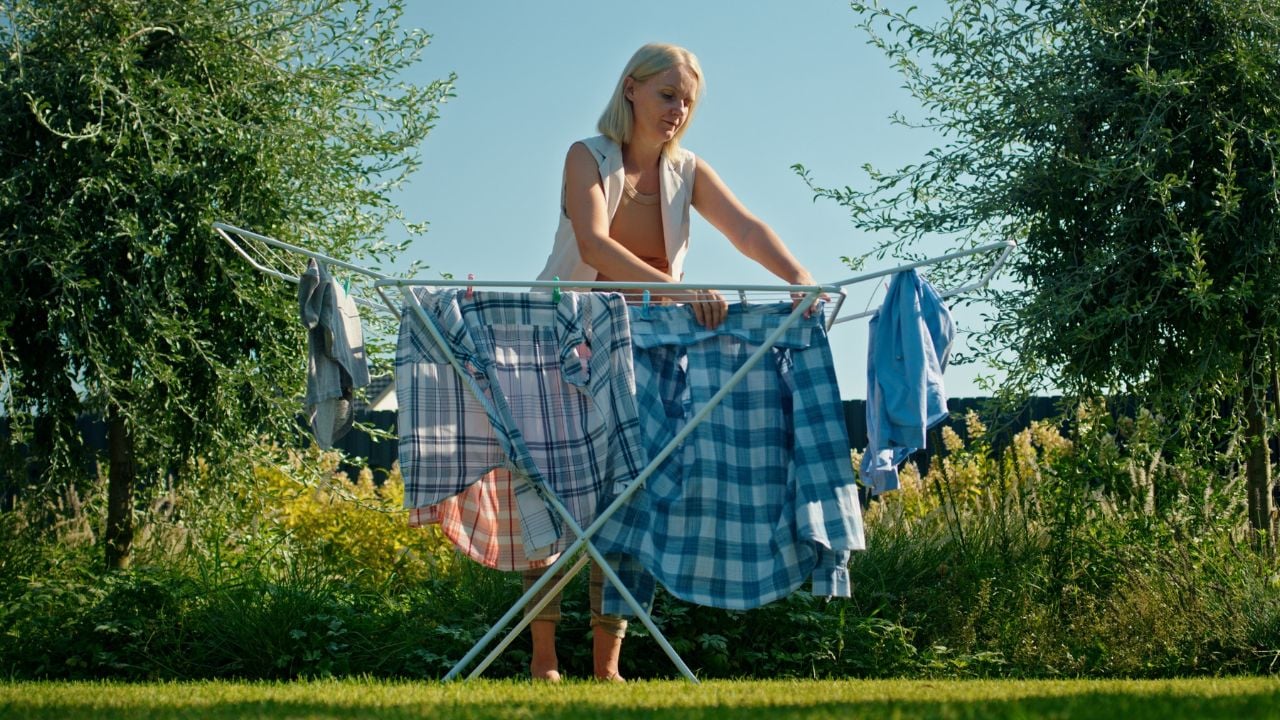
Line-drying the laundry earns a grandparent an eye roll from every kid who’s had to lug the wet basket out to the yard.
A clothes dryer is one of the biggest power draws in an average home.
Nashville Electric Service prices power at just under 12 cents a kilowatt-hour, and a single dryer load runs about 29 cents at that rate.
That’s not pocket change.
Skip the dryer for a summer’s worth of towels and sheets, and the savings show up on the light bill every month, not just once.
Every load that dries on a line instead of a heating element keeps a few more dollars off the bill.
A clothesline in a Tennessee backyard now earns its keep the same way it always did, one load at a time.
2. Cooking in a Cast-Iron Skillet
Cooking everything in a cast-iron skillet gets a grandmother teased hardest, mostly by whoever just watched her scrub it with salt instead of dish soap.
The lecture about seasoning a pan and never letting it sit in water sounds like superstition to a kid raised on nonstick.
Then the “forever chemicals,” known as PFAS, started making headlines.
Cast iron never had them.
A 2025 Consumer Reports survey found 65% of U.S. adults now worry about PFAS coated onto nonstick pans.
Grandkids who spent years mocking the heavy skillet in the cabinet now ask to borrow it before they ask for much else in the kitchen.
3. Canning the Garden Harvest
Canning the garden harvest turned a grandmother’s kitchen into a steam bath every August, and it’s the chore her kids swore off the second they moved out.
Food inflation sat near 2.9% in mid-2025.
That kind of increase is what turned home food preservation from a grandmother’s hobby into a genuine line item in a lot of families’ meal planning.
University of Georgia researchers looked into the true cost of preserving food.
They found that the first year is the expensive one.
Jars, lids, and the electric bill for the canner can cost more than the same vegetables would at a grocery store.
Every season after that first one, a family gets to reuse the same jars, and the grocery savings start adding up.
A shelf lined with a grandmother’s canning jars has stopped looking old-fashioned.
It looks like foresight.
4. Cash-Envelope Budgeting
Pulling a labeled envelope out of the kitchen drawer instead of tapping a phone is what got a grandfather written off as hopelessly out of touch.
Paying with actual bills felt like a relic next to a banking app that tracks every swipe automatically.
Then rising costs caught up with a lot of younger budgets.
It’s an old habit with new fans now.
The cash stuffing trend took off across 2023 and 2024, with people sorting bills into labeled envelopes for groceries, gas, and spending money.
It was the exact method a grandfather had been using since long before smartphones existed.
Watching cash physically run out in the grocery envelope stops overspending in a way an app notification doesn’t.
A banking app sends a notification when money’s low.
A grandfather’s envelope system just runs out.
That’s the whole system.
5. Mending and Patching Worn Clothes
A grandmother’s sewing basket became the family joke, mocked by kids who’d rather buy new jeans than patch a knee.
Why patch anything when a new pair of jeans costs less than a movie ticket?
A lot of younger shoppers started doing that math differently after seeing how much textile waste fast fashion produces.
Grandma called it first.
Visible mending, patchwork repairs stitched on purpose instead of hidden, has become a sustainable-fashion trend among people pushing back against cheap, disposable clothes.
It stretches a garment’s life and keeps it out of a landfill.
A grandmother’s mending basket, patched elbow and all, suddenly reads less like frugality and more like something worth learning.
6. Keeping a Corded Landline Phone
Kids mock Grandma’s corded landline phone at every family gathering, right up until a storm rolls through.
That January ice storm cut power to more than 230,000 Middle Tennessee homes.
For some households, the power stayed out for more than two weeks.
Cell towers running on backup batteries jammed as everyone tried the same call at once.
Grandma’s wall phone never blinked.
It draws power straight from the phone line itself, not from an outlet anyone could lose.
After a week without a working cell signal, more than one household in Middle Tennessee started asking where a person could still buy a corded phone.
Not Every Landline Still Works Without Power
A grandparent’s landline phone only keeps working through a Tennessee power outage when it’s a corded phone plugged straight into a traditional copper line.
A cordless handset fails the same way a cellphone does because its base station needs a working outlet to talk to it.
Phone service that rides on cable or fiber internet fails too, since the modem it depends on goes dark the moment the power does.
Phone companies are steadily retiring old copper lines under federal rules, so a household that still has one is holding onto a shrinking option.
7. Keeping a Paper Road Atlas
A paper road atlas rattling around in the trunk earns quick mockery the second a grandparent pulls it out instead of a phone.
GPS handles a Tennessee road trip just fine, right up until cell service disappears somewhere in the Great Smoky Mountains.
The Smokies are the exception.
The National Park Service itself has a plan for visitors with no cell service.
Send someone for help instead of trying to load a map on a dead phone.
A folded paper map doesn’t need a signal or a charge.
Grandparents who never cleared the atlas out of the glovebox usually still know which way is north once the phone gives up in the mountains.
8. Insisting on Sunday Family Dinner
Sunday family dinner is the standing appointment a grandparent refuses to reschedule, and grandkids who’d rather text than sit through a two-hour meal mock it as old-fashioned.
Texting seems easier.
Then that January ice storm hit, and cell service across Middle Tennessee stayed spotty for days while networks strained under the extra calls.
The families who still showed up at a grandparent’s table that week already knew everybody was safe.
Family therapist Anne Fishel has tied regular meals like that one to bigger vocabularies in young children and better grades in older kids.
She has also tied them to lower rates of anxiety and depression across the board.
None of that shows up over text.
The dinner mocked as old-fashioned turned out to be the family’s actual backup plan.
9. Sitting on the Front Porch
Sitting on the front porch instead of scrolling a phone makes a grandparent look hopelessly unplugged to everybody rushing past.
A porch swing seems like a waste of a good evening when a screen has everything else going on.
Screens usually win.
Southern porches exist for a historical reason, not just nostalgia.
Long before air conditioning, a shaded porch was the only cool spot in a Tennessee summer.
Front porches became the place neighbors caught up, told stories, and kept an eye on the street.
That’s still true on a porch today, phone or no phone.
A grandparent who never gave up the porch habit tends to know more neighbors by name than anybody else on the block.
Psst! How much do you know about Tennessee’s family traditions? Take our quiz and see how many you can get right.
Quiz
Tennessee Roots Trivia
Answer these questions on Tennessee family traditions and Appalachian history. We bet you can’t get them all right. Prove us wrong?
Southern porch ceilings are often painted a pale blue-green shade nicknamed “haint blue.” What was it originally meant to do?
10. Growing a Backyard Vegetable Garden
A backyard vegetable garden draws teasing every spring, aimed at whichever grandparent spent a Saturday hunched over tomato plants instead of relaxing.
A tomato from the produce aisle got picked green somewhere out of state and rode a truck for days before it reached a Tennessee grocery store.
Rising grocery prices are why a lot of families reconsidered growing vegetables again.
A survey commissioned by a home-and-garden company, reported by ConsumerAffairs, found that 76% of people who grew vegetables the previous year said it saved them grocery money.
Some of them put the savings as high as $500 over the year.
Serious money.
That's not a rounding error on a grocery bill.
A packet of tomato seeds still costs less than a single trip through the checkout line.
9 Tennessee Road Signs That Mean Something Different Than Visitors Assume
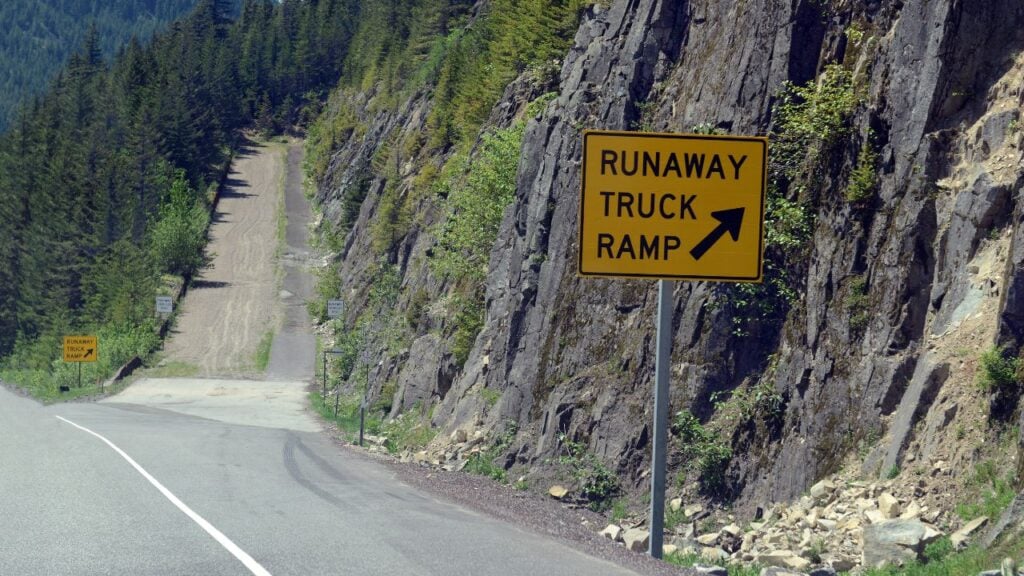
A long line of road signs runs down one stretch of Interstate 24, and many out-of-state drivers misread nearly every one of them.
Tennessee's traffic engineers don't post a sign for decoration, and locals barely notice the exact signs warning about a mountain grade or an ice-prone bridge ahead.
9 Tennessee Road Signs That Mean Something Different Than Visitors Assume
3 Tennessee Property Tax Relief Programs Homeowners Over 65 Miss

A homeowner in Knox County turns 65 and can freeze the property tax bill using one of the highest income limits in the state.
A homeowner in Maury County turns 65 the same year.
That freeze runs on a very different income cutoff for a neighbor whose Spring Hill address sits across the county line in Williamson County.
3 Tennessee Property Tax Relief Programs Homeowners Over 65 Miss
