
6 Mineral Rights Surprises That Catch West Virginia Property Buyers Off Guard

Anyone holding at least three-fourths of a severed West Virginia mineral tract can sign a lease that binds every other owner, under a 2018 law called the Cotenancy Modernization and Majority Protection Act.
Owning a quarter of something isn’t the same as having a say in it.
These are the mineral rights surprises that catch West Virginia property buyers off guard.
Note: This is general information, not legal advice. West Virginia’s mineral-rights and surface-owner rules can change, so confirm the specifics on any parcel with a West Virginia real estate attorney or the county assessor’s office.
1. The Split Estate
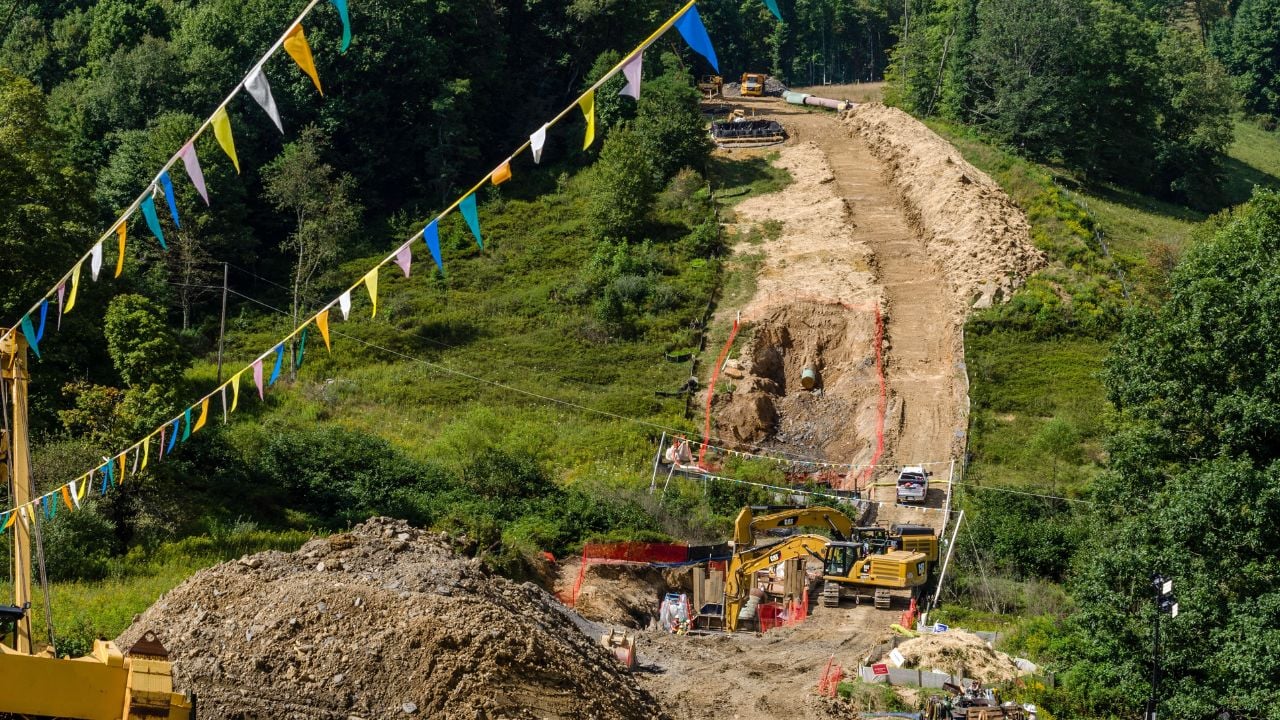
West Virginia treats the mineral estate as the dominant estate wherever oil, gas, or coal has been split off from the surface.
That split usually happened generations before the current owner ever saw a deed.
So the surface owner can’t block someone from entering, drilling, or otherwise disturbing part of the yard just because it’s their name on the deed.
No permission required.
West Virginia’s Supreme Court has said that surface use is legal as long as it stays reasonably necessary for getting at the minerals.
It also can’t become a substantial burden on the surface owner.
2. The Three-Fourths Rule
West Virginia’s severed mineral tracts often end up split among dozens of heirs after a century of estates passing down the family tree.
A 2018 law changed what that fragmentation means for development.
The three-fourths is measured by how much of the tract each owner holds, not by how many owners agree.
That includes owners who never responded to an offer at all.
Silence doesn’t stop it.
The same law still requires the surface owner’s separate sign-off before a crew disturbs the ground, unless an existing lease or agreement already allows it, under §37B-1-6.
That protection applies even when the surface owner holds none of the minerals underneath their yard.
How a Nonconsenting Owner Still Collects a Share
A nonconsenting cotenant under West Virginia’s forced-pooling law isn’t cut out of the money.
The law pays that owner a prorated royalty share on the rate paid to consenting cotenants.
It also pays a bonus or delay-rental-equivalent payment on top of that, figured on a weighted-average net-mineral-acre basis.
An heir who owns one-sixteenth of a 100-acre mineral tract collects one-sixteenth of that tract’s gross proceeds, free of post-production deductions, whatever the operator agreed to pay everyone else.
Before an unlocated heir’s share counts toward that formula, the operator has to run a four-part search.
County commission, assessor, and circuit clerk records. Inquiry near the owner’s last known residence. Outreach to known co-owners on the same tract. A review of industry-standard internet resources.
Not just a look through deed and probate books.
3. Nearby Wells’ Rare Harm Status
Surface owners in West Virginia don’t need a well on their tract to feel one.
A horizontal well can sit on a neighboring property and still send trucks, noise, and diesel fumes across a fence line for months.
West Virginia’s Supreme Court sided with the drillers on that exact question in the Andrews v. Antero Resources ruling, applying the reasonably-necessary, no-substantial-burden standard the court first set out in Buffalo Mining Co. v. Martin (1980).
The wells in that case sat roughly four-tenths of a mile to a mile from the affected homes.
Distance won.
The court found that traffic, noise, and dust from those wells didn’t rise to a substantial burden, so the homeowners had no nuisance claim to bring.
4. The 625-Foot Rule
State law spells out exactly how close a horizontal well pad can sit to an occupied home in West Virginia.
The center of that pad can legally sit as close as 625 feet from a house that was already standing when drilling plans were announced.
That’s about two football fields.
The same chapter requires the operator to notify the surface owner, any coal owner, and every water-well owner within 1,500 feet before the permit is even filed.
A buyer who assumes nobody drills that close to a house hasn’t read the statute.
5. What Old Leases Still Owe
A buyer who inherits or acquires a severed mineral interest in West Virginia can find it’s still riding on a decades-old lease nobody ever updated.
Some of the state’s oldest severed mineral leases still run on what the industry calls an annual flat well royalty.
That means a fixed payment for the life of the well, the same dollar figure whether it produces a trickle or a fortune.
A newer law now covers those older leases too.
West Virginia requires a minimum royalty of one-eighth of gross proceeds, free of deductions for gathering, compression, or marketing.
That kicks in once the operator applies for a new permit to drill, deepen, or otherwise work a well on that flat-rate tract.
No matter when the lease was originally signed.
The permit triggers it.
Even a 1940s lease qualifies once the operator files that permit.
A buyer who takes over a mineral interest still cashing a flat, token check every year may be holding a right worth far more than that check shows.
That’s true no matter how many wells sit on the tract.
The moment the operator files a new permit, the higher rate kicks in.
6. Missed Taxes, Lost Minerals
County assessors in West Virginia bill the mineral estate separately from the surface once the two have been split apart on paper.
That means a severed mineral interest gets a small tax bill separate from the surface’s, a bill an out-of-state heir can easily forget for years.
It’s easy to miss.
Unpaid mineral taxes move through the state’s delinquent-land process at the county level.
Once the state certifies that lien to the Auditor, the whole interest can be sold at public auction after 30 days’ certified-mail notice.
Forget it long enough, and it’s gone.
In a 2023 ruling, the West Virginia Supreme Court upheld a tax-sale purchase of a severed mineral tract.
That held even after the challenger showed the county’s assessment of it had been done wrong.
A property that looks fully owned on the surface deed can already have its minerals sitting in a stranger’s name.
Psst! How much do you know about West Virginia mineral rights? Flip each card and find out.
Finding Out Who Owns It
West Virginia doesn’t hand a property buyer a simple answer to who owns the minerals underneath their new address.
The county clerk’s deed and probate records are still the only record of who received what, sometimes generations back.
A simple current-owner name search alone won’t surface a mineral owner from three deeds ago.
Not one search.
The well database kept by the West Virginia Geological and Economic Survey helps with a different piece of the puzzle.
It shows whether a well has been permitted near a tract, along with its operator and status, though it says nothing about who currently owns the minerals themselves.
Two separate questions, two separate records.
A title company handling a straight surface closing in West Virginia isn’t always required to run a full mineral history.
That gap in the search often falls on the buyer to close.
Asking for a mineral-only title opinion before closing means paying someone to run that same generations-deep deed and probate search before the closing table. Not years after a surprise shows up.
It tells a buyer, in plain terms, whether the oil, gas, or coal under their new address still belongs to somebody else.
8 Austin Freecycling Options That Don’t Require Climbing Into a Dumpster
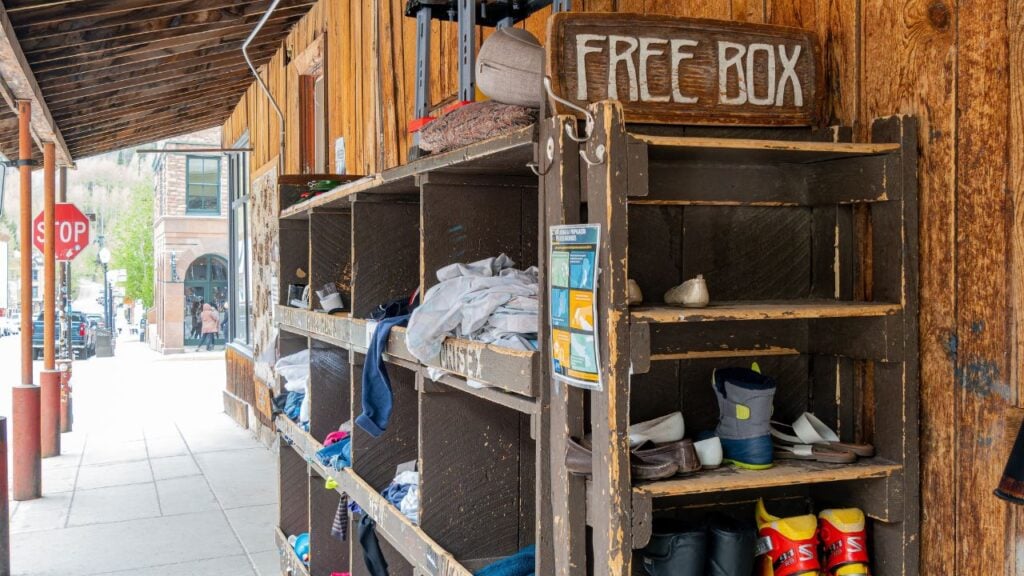
One city set a goal years back to keep 90 percent of its trash out of landfills and incinerators.
Giving things away instead of tossing them does a good share of that work, and none of the local drop-off options require digging through a dumpster.
8 Austin Freecycling Options That Don’t Require Climbing Into a Dumpster
