
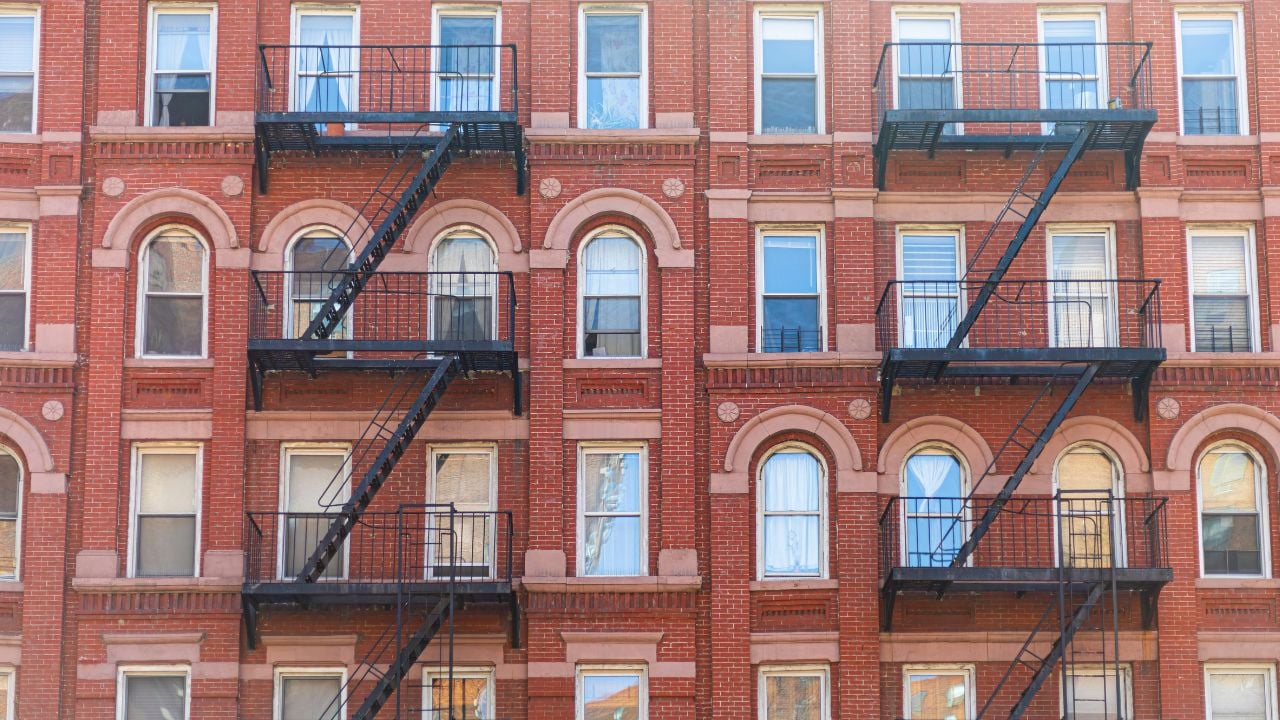
How Long Does a New York Landlord Have to Make a Repair?

The state Comptroller’s office counted more than 246,700 heat and hot water complaints across New York City in 2024.
New York sets no single repair deadline for a landlord. The clock runs anywhere from zero hours to 90 days, depending on how dangerous the problem is.
New York City’s housing agency sorts every violation into three classes, and that class is what sets the number.
Note: This is general information, not legal advice. Rental rules and notice periods are subject to change, so confirm the current requirements with the New York State Attorney General’s office.
Why There’s No Fixed Deadline
New York’s repair rules start with one law: Real Property Law (RPL) 235-b, the state’s warranty of habitability.
Every residential lease in the state carries it automatically, whether a landlord ever mentions it or not.
The statute requires a rental unit to stay fit for human habitation and free of anything dangerous, hazardous, or harmful to a tenant’s health or safety.
Nowhere in that text does a number show up.
No 30 days, no 60 days, nothing.
Courts and state guidance fill that gap with the reasonable time doctrine instead, letting the deadline stretch or shrink to match the danger.
A cracked tile can wait.
A gas leak can’t.
New York’s Attorney General puts it plainly.
Repairs are owed within a reasonable time that varies with how severe the problem is.
A landlord can’t write that duty out of a lease, even if a tenant signs off on it.
How NYC Turns Reasonable Time Into a Deadline
New York City doesn’t leave “reasonable” to guesswork.
The Department of Housing Preservation and Development (HPD) sorts every violation into a class, and each class carries its countdown.
All 246,700 of those complaints land in one of HPD’s classes, and the class sets the clock.
Class A covers non-hazardous problems, things like a sticking door or worn paint, and a landlord gets 90 days to fix them.
Class B covers hazardous conditions, like a broken lock or a pest problem, and that window drops to 30 days.
Class C is immediately hazardous.
Many Class C conditions get 24 hours.
Lead paint, missing window guards, mold, and pest infestations get 21 days, and a broken self-closing door gets 14.
No heat or no hot water stands apart from all three classes.
New York City requires a landlord to restore it immediately, with no grace period at all.
During heat season, October 1 through May 31, indoor temperatures have to hit 68 degrees during the day whenever it’s below 55 outside, and 62 degrees overnight no matter what.
Hot water stays at a minimum of 120 degrees year-round.
When a landlord misses a Class C deadline on heat or hot water, HPD’s Emergency Repair Program can send a private contractor to fix it and bill them for the job.
Psst! How much do you know about New York’s rental history? Take our quiz and see if you can ace it.
Quiz
New York Rental History IQ
Answer these questions on New York’s rental laws and history. We bet you can’t get them all right. Prove us wrong?
Under a 2019 New York law, what’s the most a landlord can charge for a security deposit?
What Changes Outside New York City
New York's warranty of habitability covers the whole state, not just the five boroughs.
But the moment a tenant leaves New York City, HPD's violation classes and their 24-hour, 30-day, and 90-day clocks disappear with it.
There's no citywide 311 housing system upstate, on Long Island, or in the Hudson Valley.
The reasonable time doctrine still applies everywhere in New York, but nobody assigns it a fixed number of days outside the city.
Enforcement instead runs through the state's Multiple Residence Law, and tenants report problems to their local housing officials, meaning a town or county code enforcement office.
If that office doesn't respond, the New York Department of State's Division of Building Standards and Codes acts as the backstop.
A tenant in Buffalo or Poughkeepsie has the exact same legal right to a habitable apartment as a tenant in Brooklyn.
The path to enforcing it just runs through a different office, and often a slower one.
How to File an HPD Complaint
New York City tenants start the clock by calling 311 or filing through HPD Online.
HPD first tries to reach the building owner directly and asks whether the condition has already been fixed.
If it hasn't, an inspector gets sent out.
That inspection is what starts the countdown.
HPD assigns the violation class, and the 24 hours, 30 days, or 90 days that comes with it, the day it serves the notice.
A tenant who only calls the landlord and never files anything has no official clock running at all.
Filing is what makes the deadline real.
A rent-regulated apartment adds a second option: A complaint to New York State Homes and Community Renewal, which can order a rent reduction on top of anything HPD does.
Can You Fix It Yourself and Deduct the Cost
New York lets a tenant repair a problem and subtract the cost from rent, but only under narrow conditions.
The landlord has to know about the problem first, in writing, and then let a reasonable amount of time pass without fixing it.
Skip that notice, and a tenant loses the protection.
The remedy traces back to RPL 235-b itself and to decades of housing court rulings interpreting it.
New York's Attorney General confirms tenants can make necessary repairs and deduct the reasonable cost once a landlord willfully ignores the notice.
There's no dollar cap written into the law.
The limit is the word "reasonable" itself: The fix has to match the actual problem, and the tenant needs receipts to prove it.
"Repair and Deduct" Isn't a Blank Check
A New York tenant who overspends on a fix can still owe the difference.
Say a leaking faucet needs a $150 plumber, but a tenant hires one for $600 worth of extra work.
A judge can rule that only the $150 was reasonable and order the tenant to pay back the other $450 in a nonpayment case.
Keeping the written notice, the invoice, and photos of the original problem is what turns "reasonable" from a guess into proof.
When the Landlord Still Won't Fix It
New York gives tenants two main paths once reasonable time runs out.
The first is withholding rent.
A tenant can stop paying after written notice and a reasonable wait, but that money doesn't just disappear into a checking account.
It has to sit set aside, untouched, since a judge can order it handed over the moment repairs happen.
Spend it, and a tenant loses the leverage the whole strategy depends on.
The second path is an HP Action, a housing court case that asks a judge to order the repair directly.
New York landlords can't do a long list of things a lease might otherwise imply, and ignoring a court-ordered repair is high on that list.
A judge who sides with the tenant can order the repair made, send HPD to do the work and bill the owner, or fine the landlord on top of both.
Outside New York City, that same leverage runs through local courts instead of housing court, and rent-regulated tenants statewide can also lean on New York State Homes and Community Renewal for a rent reduction.
Psst! See how New York City stacks up against the rest of the state on repair timelines. Sort the table below by whatever matters most to you.
FAQ
Quick answers to what New Yorkers ask most about landlord repair deadlines.
How long does a landlord have to fix heat or hot water in New York?
In New York City, no grace period at all. HPD treats a heat or hot water outage as an immediate Class C emergency, and its Emergency Repair Program can send a contractor and bill the owner. Outside the city, the same reasonable time standard applies through local code enforcement.
What is the warranty of habitability in New York?
New York's warranty of habitability, RPL 235-b, is an automatic part of every residential lease in the state. It requires a rental unit to stay fit for human habitation and free of anything dangerous to a tenant's health or safety, and a landlord can't waive it.
How do I file a complaint against my landlord in New York City?
Call 311 or file through HPD Online. HPD tries to reach the landlord first, then sends an inspector if the problem hasn't been fixed, and that inspection is what assigns the violation class and starts the correction clock.
Can I withhold rent in New York if repairs aren't made?
Yes, after written notice and a reasonable amount of time have passed. The withheld rent has to sit set aside, untouched, since a judge can order it handed over once the landlord makes the repair. Spend it, and the tenant loses the leverage the strategy depends on.
Does the reasonable time rule apply outside New York City?
Yes. Every rental unit in New York carries the same warranty of habitability, but outside the city there's no HPD or violation-class system, so tenants rely on local housing officials and, when needed, the courts.
That same repair-forcing leverage doesn't require a lawyer anywhere in New York's court system.
New York City's Housing Court lets a tenant file directly at the clerk's office or through a free nonprofit portal.
An HP Action itself costs $45 to file in New York City, and a tenant who can't cover it can ask the court to waive the fee.
8 Home Projects That Need a Permit in New York, and What Skipping One Costs
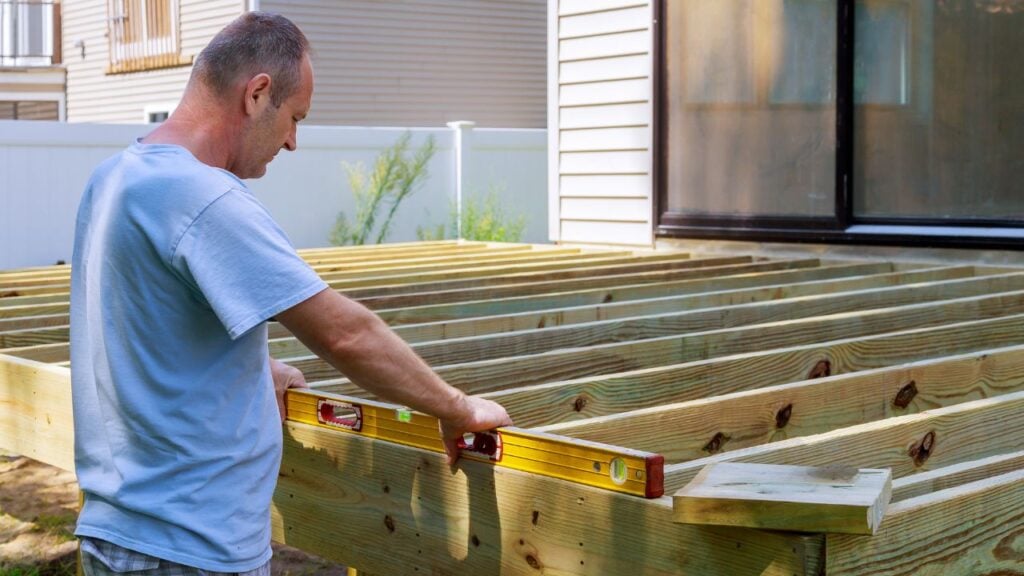
A missed permit in New York rarely ends with a written warning.
Some towns escalate straight to a stop-work order, and others go further, with jail time on the table or an insurer that simply refuses to pay.
8 Home Projects That Need a Permit in New York, and What Skipping One Costs
8 Gift Card Traps New Yorkers Don't See Coming

New York City residents are sitting on a pile of forgotten gift card money nobody's tracking down.
These are the traps catching New Yorkers off guard, even when they think they're being careful.
