
5 Maine Diner Orders Nobody Explains to Tourists

A tourist at a Bangor hot dog stand asks for “the red snapper,” picturing a fillet of fish.
The cook hands over a hot dog dyed the color of a stop sign.
These are the Maine diner orders nobody explains to tourists.
1. Italian
Ask for “an Italian” in Maine, and the sandwich that lands throws visitors before the first bite.
A Portland baker named Giovanni Amato started selling bread from a cart to dockworkers around 1902.
By 1910, he’d piled on ham, cheese, and onions and turned the loaf into a sandwich.
Two different sandwiches.
Many Maine sandwich counters list “the Italian” on its own line, separate from the hot subs.
It comes dressed in oil instead of red sauce, layered with ham, cheese, and raw onion on a soft roll.
Ask for “an Italian sub” or “a grinder” instead, and the person behind the counter may hand you something hot because Maine treats those as separate orders.
Amato’s, the shop that grew out of Giovanni’s pushcart, still runs several locations across the state today.
A century later, the name on the menu hasn’t changed, even as the exact fillings drift a little from shop to shop.
2. Steamers
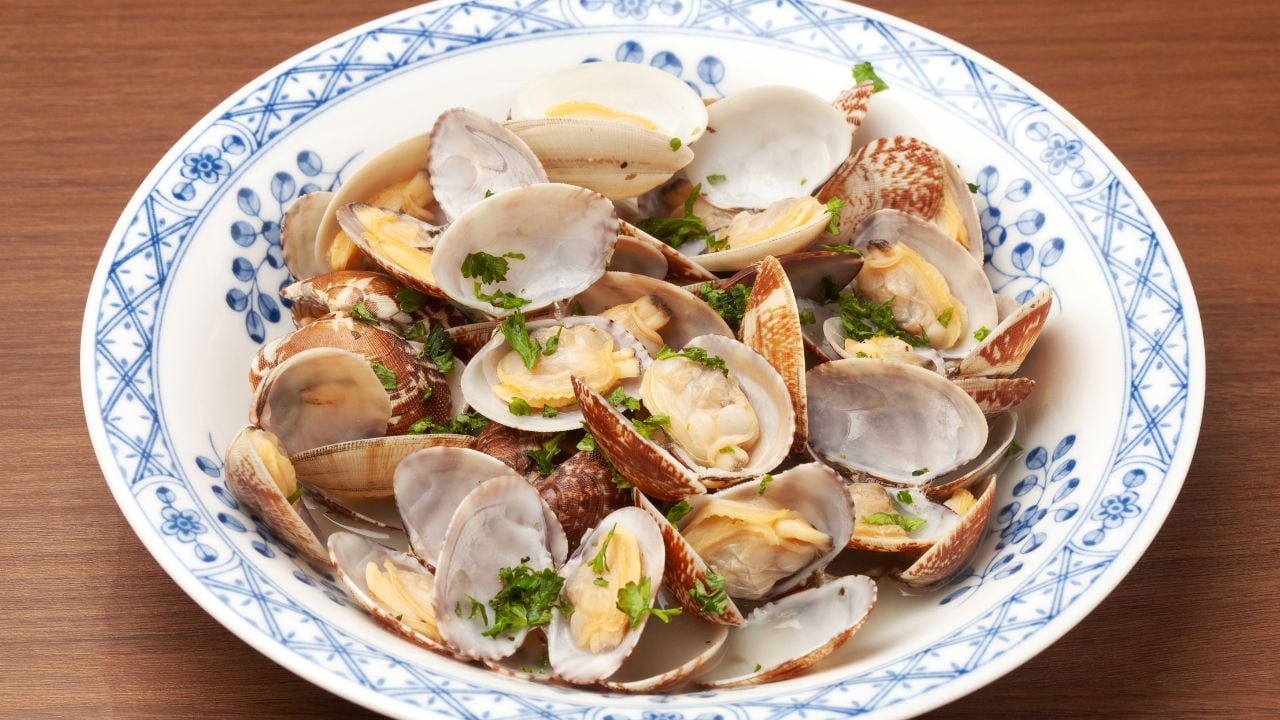
Maine’s steamers hide a step nobody explains before the bucket lands on the table.
Soft-shell clams cook right in their shells, and each one wears a dark, rubbery membrane around the neck.
Pull that off first, the way a local does without thinking about it.
Then it’s broth, then butter.
Dunk the clam in the hot broth to rinse off any sand, then dip it in melted butter before eating the neck and the belly together.
Skip the membrane step, and a tourist ends up chewing on the one part of the clam nobody’s supposed to swallow.
A bucket of steamers shows up on the menu at seafood shacks and diners alike the length of the Maine coast, usually beside the fried clams and the chowder.
Order a pound and a half for one person, since the shells account for a good part of the weight.
3. Lobster Roll
Maine’s lobster roll shows up cold by default, and no menu bothers to mention it.
The Maine style tosses chilled lobster meat in a light coat of mayonnaise, served on a toasted, split-top bun.
Mayo, not butter.
Ask for one expecting the warm, butter-dipped version served in Connecticut, and the kitchen already made the call before the order left your mouth.
A menu that just says “lobster roll” with no other description means the cold version.
A diner who wants it warm has to ask for it, and even then, not every counter offers it.
Celery and a squeeze of lemon are common additions, but butter on the side stays optional, not standard.
4. Red Snappers
In Maine, ordering “a red snapper” gets a tourist a hot dog, not a fillet of fish.
W.A. Bean & Sons in Bangor has been making the bright red, natural-casing hot dogs since 1918.
Stop-sign red, on purpose.
The natural casing gives the dog a snap when you bite into it, and the color was always meant to make it stand out on a grill.
Order “a snapper” anywhere else in the country and a server just stares back.
On a Maine diner menu, it’s the hot dog, every time.
Split it down the middle on the grill, and the snap gets even louder, the way regulars order it.
5. Moxie
Moxie sits in Maine’s diner coolers right next to the Coke.
A first-time visitor who spots it there guesses root beer or ginger ale, and the first sip proves otherwise.
Dr. Augustin Thompson, born in Union, Maine, invented the soda in 1884 and originally marketed it as “Moxie Nerve Food,” a bitter tonic sold on medicinal claims.
The state made it the official soft drink in 2005.
Gentian root does that.
First-timers expect something closer to root beer and get a bracing, medicinal snap instead, no warning printed anywhere on the can.
Order a Moxie at a diner counter and the server won’t offer a heads-up either, since the server treats that order the same as an order for a Coke.
Fans and skeptics still argue about the taste every summer at the Moxie Festival in Lisbon Falls.
Psst! How well do you know Maine diner culture? Run through this checklist and see where you land.
Antique Diner Counters
Maine keeps diners running that many states retired decades ago.
Moody’s Diner in Waldoboro has stayed in the same family since 1927, serving homemade pie alongside the eggs.
Nearly a century old.
The Miss Portland Diner runs its whole kitchen out of a 1949 Worcester Lunch Car, a railcar-style building the rest of the country largely tore down years ago.
Everything on that menu gets made from scratch.
Biddeford’s 14-Stool Diner
Maine’s Palace Diner has held the same Biddeford corner since 1927.
Almost a hundred years now.
Bon Appétit put the diner on a shortlist of 50 nominees for its best new restaurants coverage in 2014, and it didn’t crack the magazine’s top 10 that year.
The counter seats just 14 stools, all the counter room inside the 1927 diner car.
9 Things Nobody Warns You About Before Moving to Maine
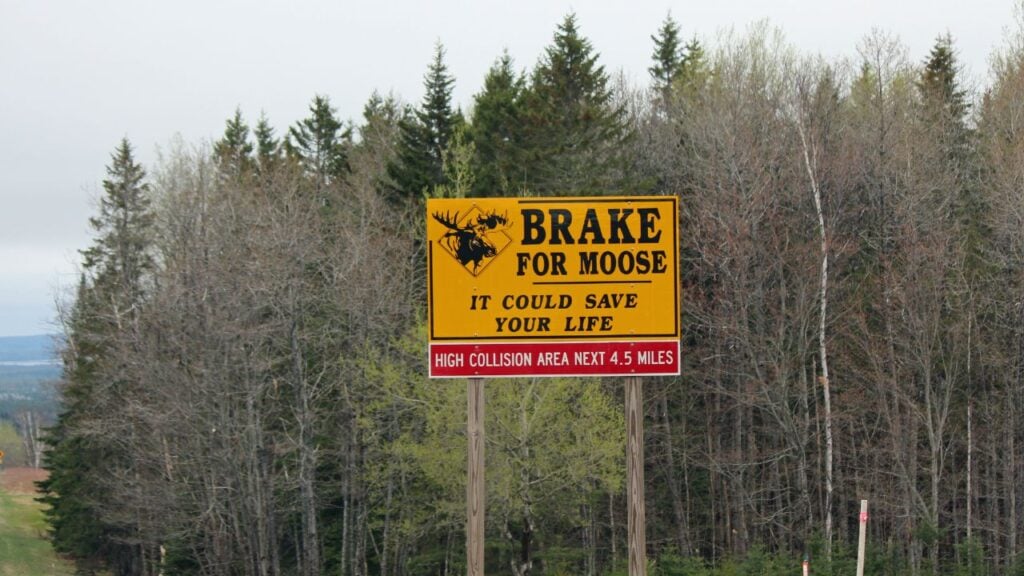
No state keeps a bigger share of its residents living outside a city or town than Maine, according to the U.S. Census Bureau.
That much open space rewrites a few rules a new resident assumes carry over from anywhere else, and some of what catches them off guard hits the wallet first.
9 Things Nobody Warns You About Before Moving to Maine
9 Things Everyone Gets Wrong About Maine, According to Mainers
Maine pulled in 14.15 million visitors in 2025, who spent a record $9.37 billion in the state.
Many of them went home certain they understood the state after a few days there, and a Mainer would push back on half of what they think they learned.
9 Things Everyone Gets Wrong About Maine, According to Mainers
