
12 Brands That Hold Their Resale Value in New York

Would you believe a used handbag can be worth more than a brand-new one still in the box?
It’s true.
Rebag, the resale company that runs four stores across New York City, built an index that sometimes prices a used handbag higher than the same bag brand-new.
These are the brands that hold their resale value in New York.
1. Jordan Brand
Jordan Brand sneakers routinely resell for more than shoppers expect, and the sneaker resale platform StockX has the sales data to back it up.
The Bin 23 Air Jordan 6 retailed for $355.
On StockX it trades today at a last sale near $706, a three-month average near $550, and a buy-now floor of $388.
That’s one especially limited release, not the norm across Jordan Brand’s wider catalog.
Some pairs never lose.
Flight Club, the consignment shop that opened in SoHo more than fifteen years ago, still keeps a wall of Jordans priced above their original box price.
A pair that seemed expensive at the store often turns out to be a bargain in hindsight.
2. Hermès
Hermès has posted some of the strongest resale numbers of any luxury brand for years, and the data comes from that same New York company.
Rebag’s 2024 Clair Report put Hermès handbags at an average value retention of 100%.
Goyard edged past Hermès for the top spot that year, the first time it happened in the report’s five-year history, with a retention rate of 104%.
The Kelly Mini II alone reached 150% retained value that year, part of a wider shift toward smaller, dressier bags.
That’s backward math.
Consignment counters across Manhattan price Birkins and Kellys the same way, well above the original tag, since buyers know the bags rarely lose ground.
3. Levi’s
Levi’s jeans hold their resale value on rare pairs in a way few thrift-store finds can match, and pairs made before 1971 wear a price tag many buyers wouldn’t expect.
Collectors call that era “Big E” denim, named for the capital E stitched on the red tab before Levi’s switched to lowercase in 1971.
A pair of 1960s Levi’s 501 jeans with the Big E tab sold for $2,040 at Alaska Premier Auctions.
Old denim brings serious money.
That’s one rare collector sale, not a typical thrift-store outcome.
In Brooklyn, the resale chain Beacon’s Closet has bought and sold secondhand denim since 1997, and a well-documented Big E tag is exactly what its buyers look for.
4. Herman Miller
Herman Miller built the Eames lounge chair to last generations, and the resale market backs that up.
A vintage Eames lounge chair and ottoman averages about $6,000 on the marketplace 1stDibs, with early rosewood pieces rising past $12,000.
New reproductions can’t match that.
Several of the dealers listing an original Eames lounge chair and ottoman on 1stDibs today are based in Manhattan and Brooklyn, pricing early rosewood examples well into five figures.
Wood grain, leather condition, and a legitimate Herman Miller stamp all move the price, and buyers check every one of them closely.
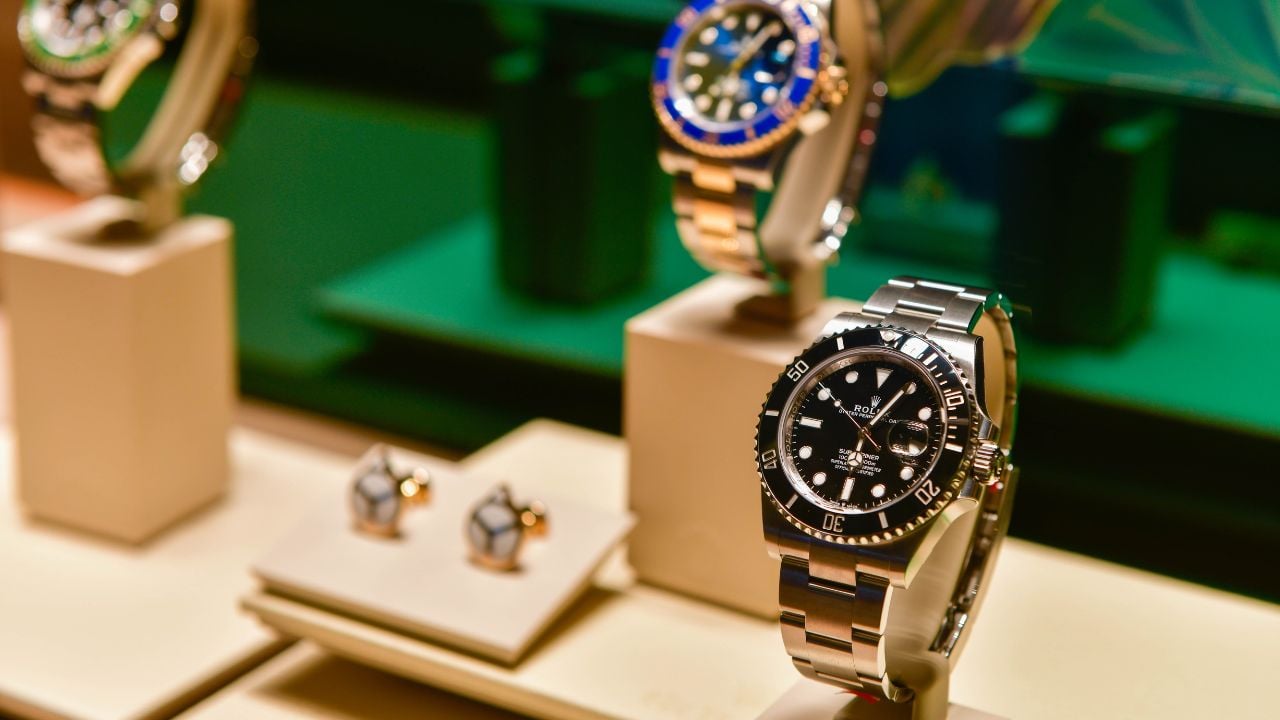
5. Rolex
Rolex watches hold their resale value the way few everyday objects do, often selling for more used than a buyer would pay new.
WatchCharts, the watch-pricing platform, tracked Rolex trading at roughly 6.7% above retail on average in a January 2026 snapshot.
Some models do far better.
The Rolex GMT-Master II, a watch named for its Greenwich Mean Time function and nicknamed “Pepsi” for its red-and-blue bezel, carries a retail price of $11,100.
Resale trackers put it between $20,000 and $27,000 as of September 2026, a premium that widened after Rolex discontinued the reference in April 2026.
Watch dealers along Manhattan’s Diamond District, the block of 47th Street lined with jewelry and watch shops, price a Pepsi the same way.
An authorized-dealer waitlist leaves resale as the fastest way to get one.
6. Chanel
Chanel handbags entered Rebag’s “unicorn” resale list for the first time in the company’s 2024 Clair Report.
That’s the label Rebag gives any brand that keeps at least 85% of its retail value at resale.
Chanel landed at 92%, an 11% jump over the year before.
That puts a classic flap bag within a few hundred dollars of its original price, even secondhand.
Rebag runs that math out of four stores across New York City, the same stores where a shopper can watch a Chanel bag get priced in person.
That bag won’t wait.
Buyers know a Chanel bag rarely sits on a shelf for long.
Psst! How much do you know about secondhand shopping and resale history? Take our quiz and see how many you can get right.
Quiz
New York Resale IQ
Answer these questions on secondhand shopping and resale history. We bet you can’t get them all right. Prove us wrong?
In 1902, a Boston minister started collecting used clothing and furniture from wealthier neighborhoods to train and employ recent immigrants. What organization did that effort become?
7. Loewe
Loewe's Puzzle bag turned an oddly folded leather shape into one of the steadiest resale performers among contemporary luxury brands.
Rebag's 2024 Clair Report put the Puzzle bag's retained value at 93%, close behind the handbag market's established "unicorn" names.
That's a newer design competing with houses more than a century older.
Newer doesn't mean weaker.
Rebag prices that resale math out of four stores across New York City, the same company behind the index cited throughout this list.
A well-kept Puzzle bag routinely changes hands for close to what it cost new, sometimes more depending on the colorway.
What Loewe's 93% Retention Score Means
Loewe's 93% figure comes from Rebag's Clair Report, which tracks a brand's used prices as a percentage of its original retail cost.
A rating past 100% means the secondhand version is now selling for more than the store price, not less.
Loewe sits just under that line, alongside Chanel and Louis Vuitton in Rebag's "unicorn" tier of brands holding at least 85% of retail value.
Hermès and Goyard are the only two brands in the report that regularly cross above the 100% mark.
8. Stickley
Stickley furniture comes from a company built in New York, and its resale prices show the state never lost its taste for it.
The L. & J.G. Stickley Furniture Company still operates out of Manlius, New York, a few miles east of Syracuse, more than a century after it started building Arts and Crafts oak furniture.
Auction houses track the payoff.
LiveAuctioneers' price guide for Stickley lists results running from a few hundred dollars for later production pieces up to $30,000 and more for rare, documented early examples.
A plain oak side table won't hit that number, but a well-documented early piece with its original finish regularly reaches it.
9. Louis Vuitton
Louis Vuitton holds its resale value on trunks built to survive an ocean crossing, and that durability still shows up in what a used bag brings today.
Rebag's 2024 Clair Report put Louis Vuitton handbags at 88% average value retention, up 7% over the year before and firmly inside the report's "unicorn" tier.
That number holds up.
That's serious money on a bag that has already been carried for years.
Housing Works is the nonprofit thrift chain New Yorkers built out of ACT UP, the AIDS Coalition to Unleash Power, in 1990.
Its Manhattan shops resell donated designer handbags on consignment racks, purses at that price tier included.
Proceeds fund the same housing and health services the group started with.
10. Carhartt
Carhartt earned its reputation on job sites, and that reputation now pays off on resale racks too.
Fox Business found Carhartt jackets originally priced around $100 to $150 reselling for about $105 on Poshmark.
That's close to or above the $99 to $109 a similar style costs new.
Many brands lose ground fast.
Vintage USA-made pieces, especially the brand's blanket-lined Detroit jacket, carry the biggest premiums, since production shifted overseas for many newer styles.
Grailed, the menswear and streetwear resale marketplace built and still headquartered in New York City, is one of the places that Detroit jacket premium shows up first.
A tag that reads "Made in USA" is worth checking before anything else.
11. LEGO
LEGO holds resale value in a way that doesn't fit the usual image of a toy losing worth the moment the box opens.
The Danish toy maker's name comes from the Danish words "leg godt," or "play well."
BrickEconomy, which tracks more than 21,000 LEGO sets, put its BrickEconomy 100 Index of the top 100 most valuable sets up 22.52% over the twelve months ending in September 2026.
Individual themes do even better.
Its Scooby-Doo theme has posted average annual growth near 15%, with Minions not far behind near 12%, both well ahead of a typical savings account.
New York collectors trading in that same tracked market pay the same premium for a sealed, retired set, well above its original box price.
A set that seemed overpriced at the toy store can be worth multiples of that once LEGO stops making it.
12. Fender
Fender guitars hold their resale value the way few instruments do, built to keep working after decades of gigs.
Reverb, the online marketplace built for musical gear, tracks resale prices through its Price Index.
Some models barely slow down.
Fender's Road Worn '50s Telecaster has gained 80% in value since 2019, according to Reverb's tracking.
Manhattan's cluster of vintage-guitar shops, several of them decades old, price a clean Road Worn Telecaster the same way.
Guitars from the "pre-CBS" era before 1965, named for CBS, the broadcaster that owned Fender starting that year, remain some of the most sought-after used instruments among serious collectors.
A well-kept Telecaster from that stretch can outperform many new guitars on the wall right next to it.
8 New York City Bodega Rules Newcomers Break Their First Week
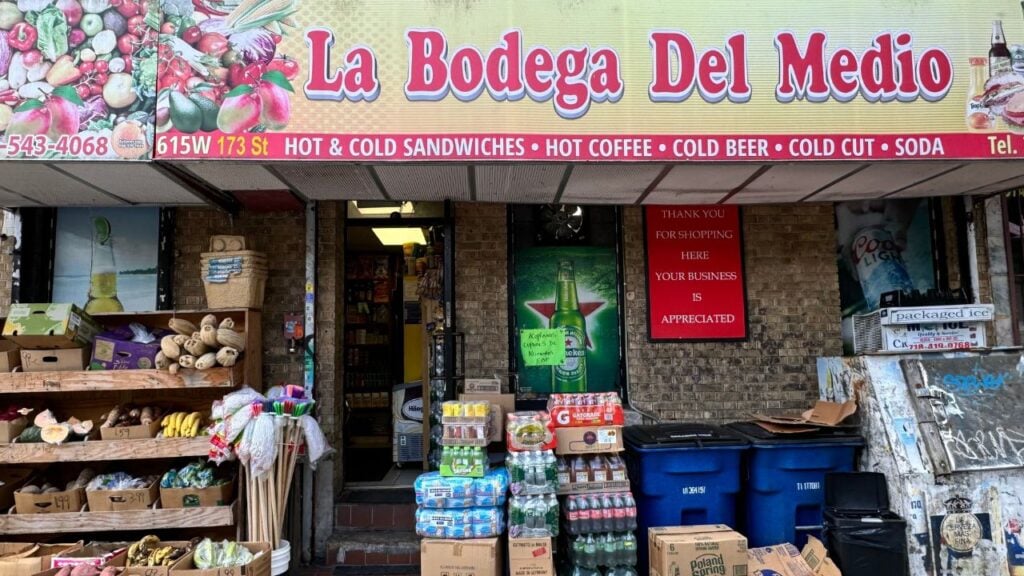
A bodega register can turn down a card for a $2 coffee, and it's completely legal.
Federal rules let any New York City corner store set a credit card minimum as high as $10, and many bodegas use every dollar of that room.
8 New York City Bodega Rules Newcomers Break Their First Week
8 New York State Fair Mistakes First-Timers Make Every Year
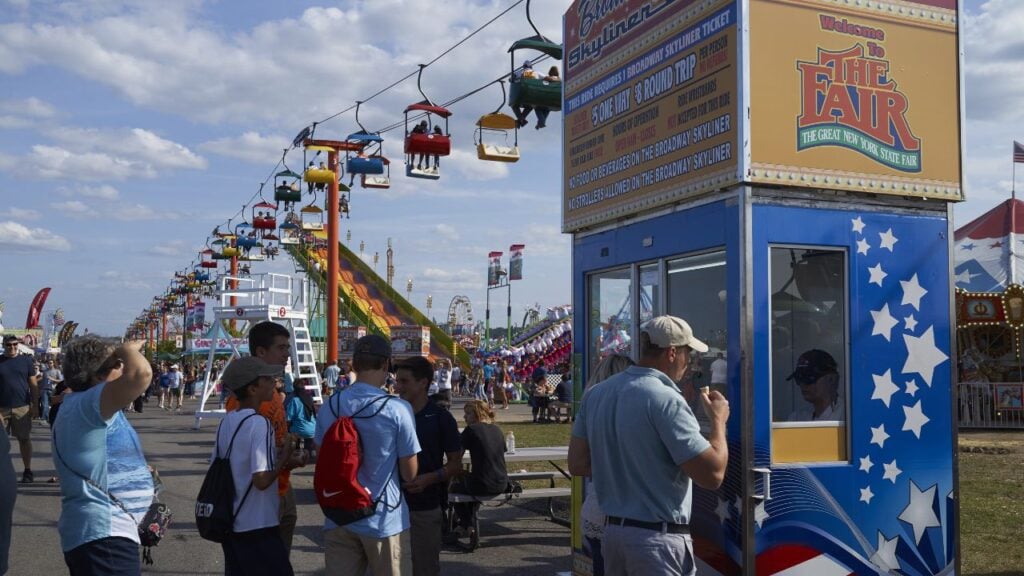
New York held the nation's first state fair back in 1841, two decades before Kansas even became a state.
More than 100,000 people a day still pack the fairgrounds outside Syracuse on the busiest days, and first-timers keep making the same handful of mistakes.
