
8 Habits That Give Away a First-Time Kentucky Pet Owner

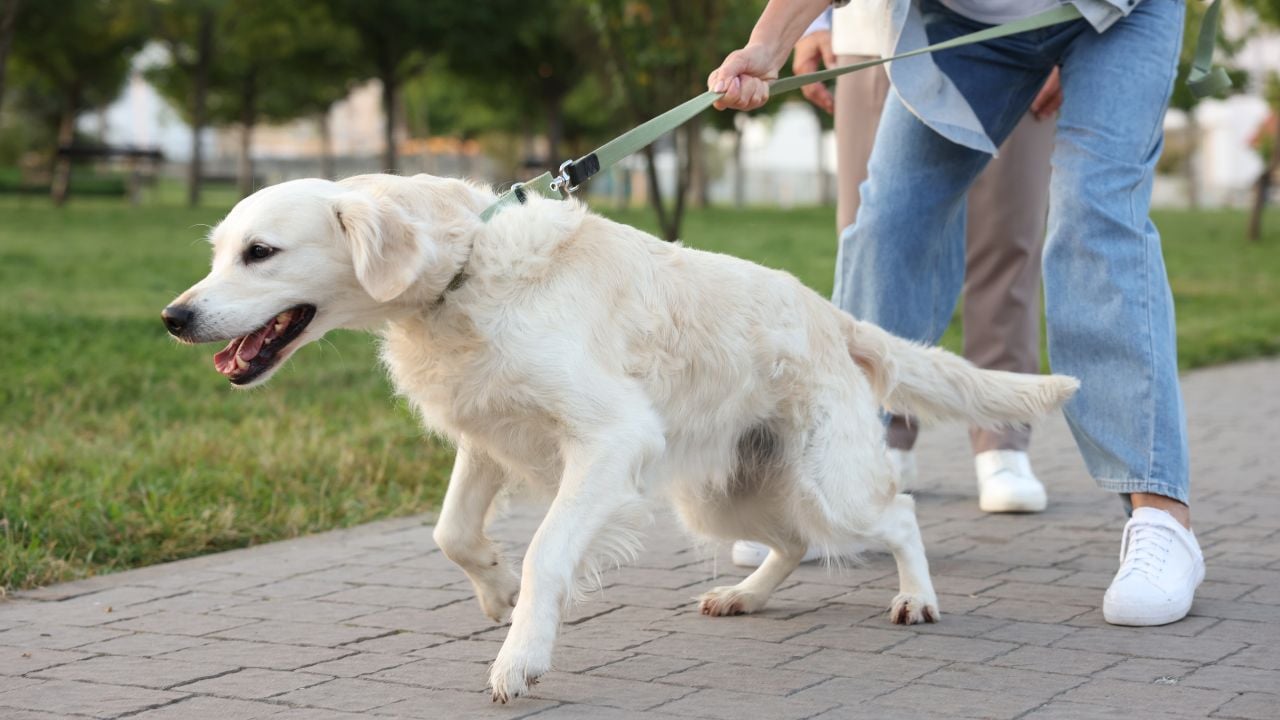
A brand-new leash is still stiff in one hand, and the puppy on the other end has already towed a first-time Kentucky owner past their driveway twice this week.
Lexington-Fayette County can fine that same owner $50 to $500 if animal control catches the dog loose.
These are the habits that give away a first-time Kentucky pet owner.
Note: This is general information, not legal or veterinary advice. Kentucky’s licensing, vaccination, and leash rules vary by county and are subject to change.
1. Skipping the County License
A first-time Kentucky owner walks out of the vet’s office with a rabies certificate and assumes the paperwork is finished.
State law requires every dog, cat, and ferret in Kentucky to get a rabies vaccination by four months old.
A county license is a separate step on top of that shot, one nobody at the vet’s office or the pet store tends to mention.
Lexington-Fayette County charges $8 for an altered dog’s license and $40 for one that isn’t.
Jefferson County’s fee for the same choice runs $10 to $120 a year, proof of a current rabies shot required either way.
Nobody mentions this at pickup.
A veteran Kentucky owner already has the county license number written on the fridge.
A first-timer finds out the license was ever required only when animal control asks for it.
The Rule for Pets Moving Into Kentucky
Kentucky’s rabies law doesn’t stop at owners who buy a puppy in-state.
Any dog, cat, or ferret someone brings into Kentucky from another state needs a current rabies vaccination.
The state grants reciprocity only when a licensed veterinarian in that state gave the shot.
Jessamine County gives new arrivals 30 days to register a dog before the fine kicks in, and a first-timer who assumes last year’s paperwork still counts is already behind.
2. Letting the Leash Rule Slide
A first-time Kentucky owner lets the dog wander the yard off-leash, certain it already knows the place.
On the owner’s property, Lexington-Fayette County allows the dog to stay behind a fence or enclosure.
The dog can also go unrestrained there, as long as the owner is right there in direct control.
Step off that property, and the direct-control option disappears.
The county requires a leash or tether attached to a collar or harness every time a dog crosses the property line, no exception for a dog that’s good off-leash.
A first offense runs $50 to $500, and the fine increases again with a second citation inside three years.
Voice commands don’t count.
Veteran Kentucky owners already know that property line is where the leash rule kicks in, not the edge of the yard they can see.
3. Skipping Heartworm Meds in Winter
A first-time Kentucky owner hears the first frost and figures the heartworm pill can wait until spring.
The American Heartworm Society’s most recent nationwide survey found new heartworm hot spots forming far outside the disease’s traditional stronghold around the Mississippi Delta.
A run of mild days in the middle of a Kentucky winter is enough to bring mosquitoes back out, cold snap or not.
Big mistake.
Vets nationwide say more than two in three dogs leave a checkup without a single dose of preventive already started, often because an owner wrote off the coldest months.
An experienced Kentucky owner keeps the chewable going every month, year-round.
A missed dose is what lets the parasite in.
4. Skipping the Post-Walk Tick Check
A first-time Kentucky owner towels off a muddy dog after a walk and calls it done, skipping the tick check altogether because the walk never left the backyard.
The Companion Animal Parasite Council’s 2026 forecast lists Kentucky as one of eight states expected to see rising Lyme disease risk this year.
Ohio, West Virginia, Tennessee, North Carolina, Indiana, Illinois, and Michigan round out that list.
That’s a newer problem for Kentucky, not just the woods up north the way owners used to treat it.
Not just a woods problem.
A first-timer who skips the check after a mowed backyard has no idea where a tick can hide.
A tick rides in just as easily from the tall grass at a dog park or a wooded trail edge.
Veteran Kentucky owners run their hands over the ears, the collar line, between the toes, and the belly every single time, mowed yard or not.
Psst! How much do you know about pets and animals beyond the basics? Take our quiz and see if you can ace it.
Quiz
Kentucky Critter IQ
Answer these questions on pets, presidents, and Derby history. We bet you can’t get them all right. Prove us wrong?
President Calvin Coolidge kept an unusual pet at the White House that was originally sent to become a Thanksgiving dinner. What animal was it?
5. Free-Feeding Instead of Measuring
A new owner tops off the bowl whenever it looks low and calls that feeding.
Lexington-Fayette Animal Care and Control alone takes in close to 6,500 animals a year.
That scale is a reminder of how many Kentucky households already have a pet's daily care to manage.
The Association for Pet Obesity Prevention's survey found 59% of dogs are overweight or living with obesity nationwide.
Vets trace a lot of that back to a bowl that's never empty.
An owner who has already sat through that vet conversation switches to a set number of scoops, twice a day.
No exceptions.
6. Waiting Too Long to Socialize
A first-time puppy owner often waits for every vaccine to finish before the first outing.
The window for effective socialization runs from about three to fourteen weeks old, well before many puppies finish their vaccine schedule.
That window closes fast.
A puppy that meets new people, sounds, and surfaces during those weeks grows up more confident around other dogs.
That's the dog ready for one of Fayette County's seven off-leash dog parks, the fenced runs at spots like Coldstream and Wellington.
An owner walks a dog that skipped socialization straight back to the car instead.
7. Skipping the Microchip
New pet owners assume a collar tag is enough identification for a dog or cat.
Collars fall off.
A microchip stays put, and microchipped dogs go home to their owners twice as often as dogs without a microchip.
Louisville already builds this in: A lifetime pet license there requires a current microchip along with spay or neuter status and proof of rabies vaccination.
An owner who registers that chip, and keeps the phone number on file current, never has to find out the hard way.
8. Misjudging Kentucky's Pavement Heat
A first-timer sticks to the same midday walk schedule right through a Kentucky summer, humidity or not.
Asphalt in that kind of heat can run dozens of degrees hotter than the air around it, and veterinarians say it can burn a paw in about a minute.
Paws blister fast.
Humidity keeps that heat close to the ground well past five o'clock, so Kentucky's evening walks stay just as risky as the midday ones.
An owner who has already blistered a set of paw pads presses the back of a hand to the sidewalk before every walk.
No shade, no walk, until it passes.
That five-second test costs nothing and takes less time than clipping on the leash.
A dog that's already whining and lifting its paws off the pavement has usually been out too long already.
