
7 Ground Movement Problems That Blindside West Virginia Buyers

The West Virginia GIS Technical Center has mapped more than 300,000 landslide features across the state.
A landslide is only one of several ways the ground under a West Virginia house can move. Nothing about a typical purchase tells a buyer which problem applies.
These are the ground movement problems that blindside West Virginia buyers.
Note: This is general information, not legal or insurance advice. Disclosure practices are a matter of West Virginia real estate law and are subject to change. Insurance coverage details are subject to change too, so confirm the current requirements with the West Virginia Offices of the Insurance Commissioner.
1. Mine Subsidence Insurance
The state folds mine subsidence coverage into most homeowners insurance policies without the buyer asking for it.
That sounds like protection.
State law requires every homeowners policy in most West Virginia counties to include mine subsidence coverage automatically, unless the policyholder waives it.
You make that same call yourself at closing, often without realizing it’s a decision at all.
Fifteen counties work the opposite way: Berkeley, Cabell, Calhoun, Hampshire, Hardy, Jackson, Jefferson, Monroe, Morgan, Pendleton, Pleasants, Ritchie, Roane, Wirt, and Wood.
Homeowners there get the coverage only if they ask for it directly, so you can close without any subsidence protection at all if you assume it’s automatic statewide.
The fund also caps what it pays.
Coverage tops out at $200,000 no matter what the house is worth, with a deductible set between $250 and $500.
It’s not enough for every rebuild.
2. The Missed Landslide Map
A landslide risk tool from West Virginia’s Geographic Information System (GIS) Technical Center already tracks where the ground is likeliest to give way.
The inventory behind it maps more than 300,000 individual landslide features across the state.
That’s a lot of ground.
The tool has limits, too.
It works at the county level for planning, never down to one exact lot.
So even if you find it, you learn only whether your county carries landslide risk, not whether your actual lot does.
That’s the gap nobody closes for you.
3. Slope Creep
Steep slopes move under some houses for years without a single dramatic collapse.
It’s called creep.
The U.S. Geological Survey defines creep as the imperceptibly slow, steady downward movement of slope-forming soil or rock.
That movement bends fence posts and curves tree trunks over time, all without the sudden failure of a landslide.
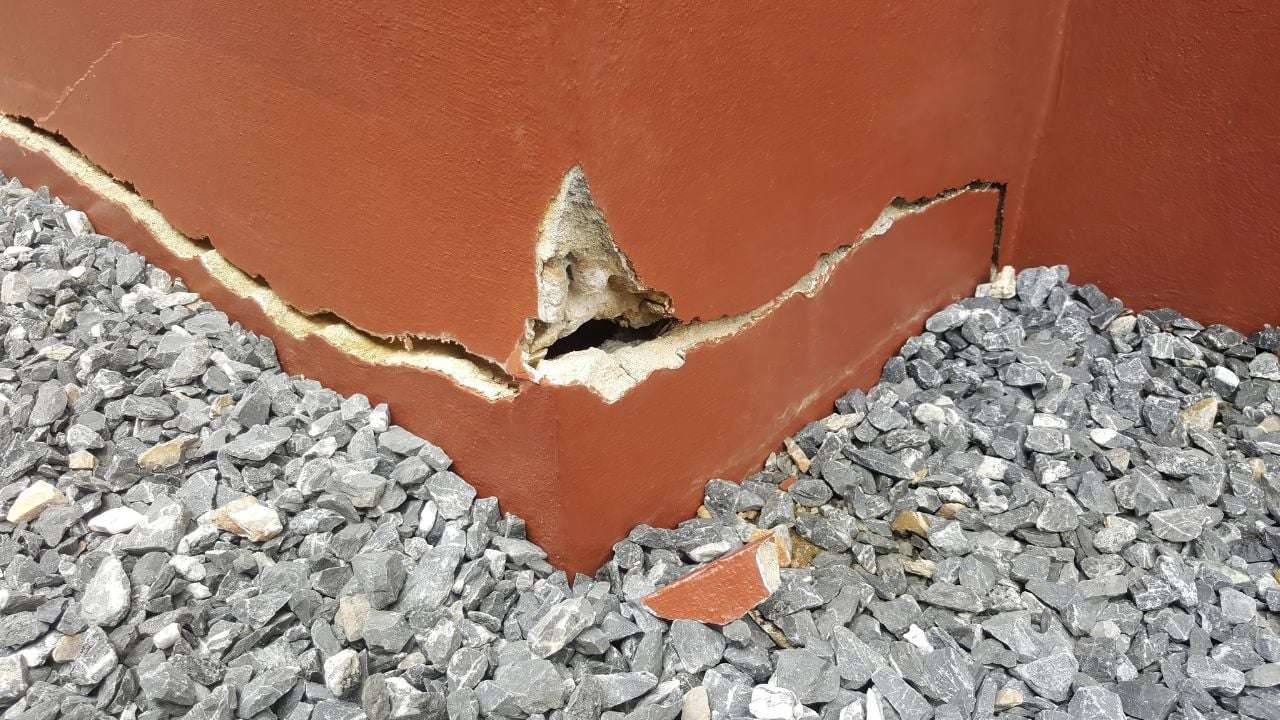
West Virginia’s geological survey ties that same slow movement to cracked house walls, heaved floors, and leaning support posts.
That damage shows up months or years after a family moves in, not on the day of a walk-through.
A standard home inspection has no way to catch it either.
The American Society of Home Inspectors’ Standard of Practice lists geological and soil conditions among what an inspector isn’t required to check.
The same standard excludes soil conditions tied to seismic, geotechnical, or hydrologic analysis, exactly the kind of testing that would catch a slope moving underneath a foundation.
You have to hire that testing yourself.
Many home sales never include it.
Wondering how ready a West Virginia purchase is? Check off what you already know before touring it again.
4. No Insurance Backstop for Sinkholes
West Virginia has no law forcing insurers to bundle sinkhole coverage the way it does for mine subsidence.
Insurers set their terms for it.
Karst terrain, ground built over limestone that dissolves into caves, sinks, and underground voids, runs through wide stretches of the Greenbrier Valley and the Eastern Panhandle.
Lewisburg, in Greenbrier County, sits mostly inside a mapped sinkhole plain, and U.S. 219 crosses another mature one on its way north from the Virginia state line.
A house built there can develop the same kind of ground collapse mine subsidence causes, minus the insurance program that comes standard with actual coal mining underneath.
You cover that gap alone.
5. Hidden Mine Fill Under Foundations
Many home sites sit on fill instead of natural ground, especially where flat land is scarce.
Mountains don’t leave much.
The state’s geological survey lists mine spoil, gob piles, slag heaps, and buried municipal waste among the materials that end up under a building pad in mountain terrain.
Whether that fill holds a foundation depends on what’s in it and how it was placed, something a geotechnical study answers and a routine walk-through inspection doesn’t.
Builders set mobile homes on these sites more often than site-built houses because an owner can relevel a mobile home once the ground settles again.
A site-built house doesn’t get that same fix.
6. Wet-Season Water Tables
The state’s hillsides trap perched groundwater, shallow pockets that fill up only during wet seasons and drain out the rest of the year.
The same state survey ties that seasonal water directly to foundation slides, heaved basement floors, and cracked patios.
It comes and goes.
A home inspection happens on one day, whatever the season, and a dry-season walk-through has no way to catch water trouble that only shows up in April.
Rusted step posts, peeling paint low on a basement wall, and a floor that’s heaved even slightly are the marks it leaves behind.
What West Virginia’s Disclosure Law Does and Doesn’t Require
West Virginia has no law requiring a seller to fill out a written property disclosure statement, unlike many other states.
That means a seller isn’t required to volunteer a past landslide repair, a mine subsidence claim, or a sinkhole that opened in the yard.
A seller who actively lies about a known defect can still face a fraud claim.
Simply staying silent isn’t illegal in West Virginia the way it would be in a state that requires a disclosure form.
Nothing about mine subsidence or landslide history has to appear on paper unless a buyer asks directly and gets an answer in writing.
7. Earth Movement
Homeowners insurance treats general earth movement the same way it treats flood: It doesn’t cover it.
The standard policy skips it too.
A landslide with no coal seam underneath it, a sinkhole collapse outside a mine subsidence claim, and ordinary ground settling all fall under the same earth movement exclusion.
The standard homeowners policy excludes it.
Coverage for that gap exists, but it isn’t sold at the kitchen table.
It’s a specialty product.
A difference-in-conditions policy bundles landslide, earthquake, and flood coverage together, and it’s typically written through a surplus lines carrier that local agents rarely keep on hand.
You have to ask for that protection by name. Nobody bundles it in automatically.
8 West Virginia Land Boundary Disputes Rural Homeowners Get Wrong
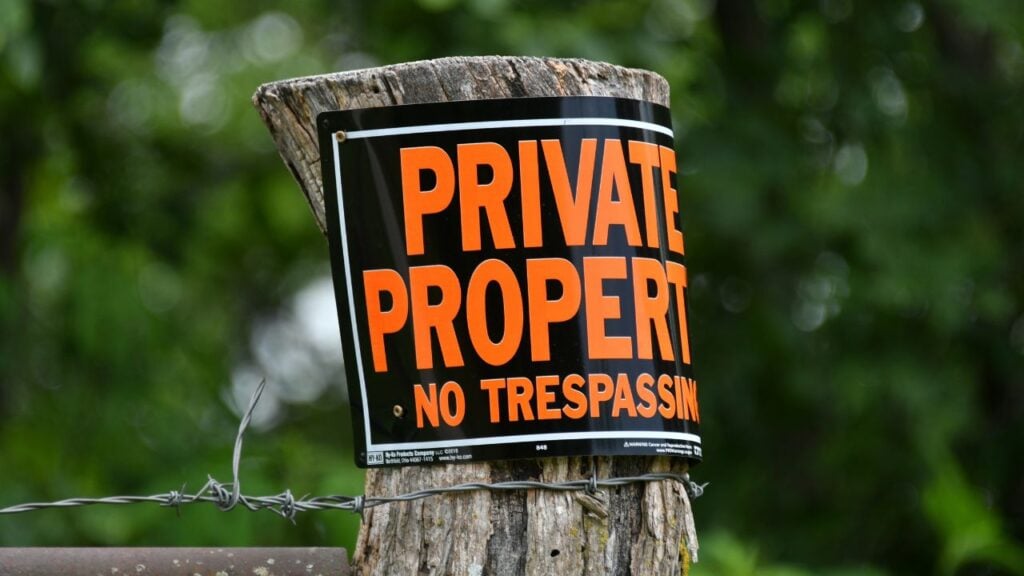
West Virginia only needs ten years before someone else’s use of a piece of land can legally turn into their land.
State lawmakers tried to end that rule in 2025, but the repeal bill died in committee, so the old clock still runs statewide.
8 West Virginia Land Boundary Disputes Rural Homeowners Get Wrong
9 West Virginia Habits Nobody Realizes Are a West Virginia Thing Until They Move

Many West Virginia lunch boxes have carried the same thing since 1927: a pepperoni roll, wrapped in wax paper, no fork required.
Cross the state line, and the words “pepperoni roll” draw a confused look instead of a nod.
9 West Virginia Habits Nobody Realizes Are a West Virginia Thing Until They Move
