
9 New York Travel Mistakes Even Seasoned Vacationers Still Make

A New York day trip to Niagara Falls can end at the Canadian border with the wrong ID in your hand.
Travelers who’ve driven every bridge and tunnel in New York State still trip over rules that changed since their last visit.
These are the New York travel mistakes even seasoned vacationers still make.
Note: This is general information, not legal advice. Parking, tolling, and border-entry rules are subject to change.
1. Missing the Alternate-Side Sign
Park on the wrong side of a New York City street past the posted hour, and a $65 ticket is waiting when you get back.
Alternate-side parking rules require a parked car to move on set days and hours so a sweeper can get through.
The posted hours shift block by block.
The city also suspends the rule on certain holidays, often without much warning for a driver visiting from out of town.
Read the sign twice before you walk away.
Even a driver who’s parked on the same block for years can still get a ticket once a holiday suspension nudges the schedule by a single day.
2. Forgetting the Toll Zone Exists
New York’s Congestion Relief Zone covers Manhattan below 60th Street.
The system starts charging the moment a car’s plate or E-ZPass tag crosses that line.
No booth marks the line.
Under the Metropolitan Transportation Authority’s congestion pricing program, a passenger vehicle pays $9 during the zone’s peak hours, weekdays and weekends alike.
Overnight the rate drops to $2.25.
The system only charges once every 24 hours, no matter how many times a car crosses back in.
Rental cars pay it too.
A driver who still expects tolls only at bridges and tunnels, the way things worked for decades, finds the extra line on the next credit card statement instead.
How New York’s Toll Zone Bills You
New York’s Congestion Relief Zone toll locks in at whichever rate applied the first time a car’s plate crossed that day.
Leaving the zone and coming back later doesn’t add a second charge, even if the return trip crosses during a different pricing window.
Drivers who enter through the Lincoln, Holland, Queens-Midtown, or Hugh Carey Tunnels get up to a $3 credit toward that toll, the MTA says.
Those crossings already charge a toll, which is why the credit exists.
3. Cutting Through a Bus Lane
New York City has turned entire streets, like 14th Street in Manhattan, into bus-only corridors.
Driving a bus lane for even a block counts as a violation.
Cameras catch it, not officers.
New York’s Automated Camera Enforcement program issues a $50 ticket by mail for a first bus lane violation.
The fine rises by $50 with each repeat, up to $250.
The ticket arrives weeks later, long after a rental car is back at the counter and the driver is home.
Turn-by-turn map apps don’t always flag the restriction either, so a driver can follow the directions straight into a violation without meaning to.
Stay out of the painted lane, no matter how empty it looks.
4. Renting a Car Without E-ZPass
The state doesn’t run a single cash toll lane for travelers anymore, not on the bridges, not on the tunnels, not on the Thruway.
Every crossing reads a plate or a transponder.
Decline the rental counter’s toll package, and the rental company still pays each toll automatically.
That part is invisible.
The bill that follows isn’t.
Enterprise charges $4.95 a day for that service, capped at $34.65 for the whole rental.
Avis charges $6.95 a day, up to $34.95.
Hertz’s fee runs $18 to $28 a day depending on the location, or a flat $9.99 charge instead.
None of those numbers include the toll.
Bringing a personal E-ZPass transponder from home beats paying a daily fee blind.
5. Overpaying for the Subway
New York City’s subway and buses cost a vacationer $3 a ride.
OMNY, the system’s tap-to-pay reader, never charges a rider more than $35 in a week for tapping in with the same card or phone.
That’s by design.
OMNY tracks the total automatically, no separate card refill required.
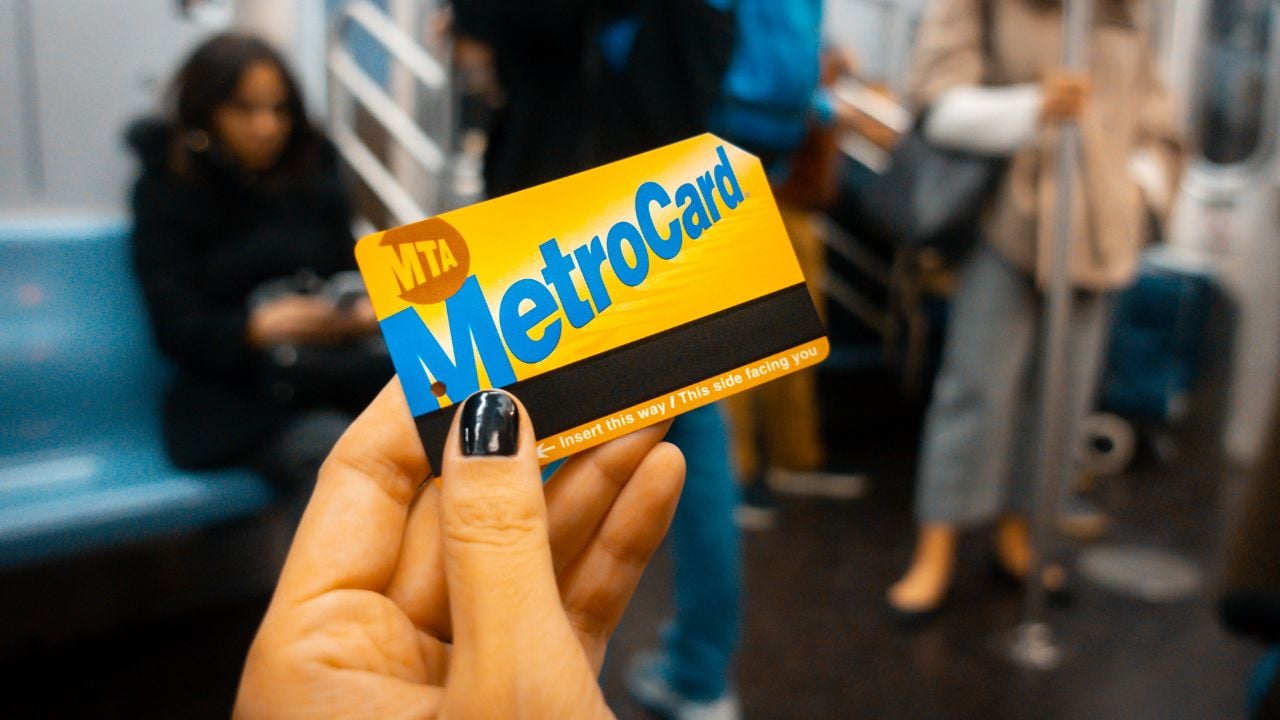
A visitor who buys a fresh single-ride MetroCard for every trip gets none of that.
Tap the same card twice within two hours, and the second ride, subway or bus, comes free.
Pay with a new paper ticket each time instead, and every tap costs the full $3, transfer or not.
The $35 cap resets only for a card that stays the same the whole week.
6. Buying the Wrong Liberty Ticket
New York’s Statue of Liberty sells two different tickets to the same island.
Only one includes the crown.
General admission covers the ferry ride, the pedestal, and the museum.
Crown access requires the separate Crown Reserve ticket, capped at about 500 visitors a day and limited to four tickets per booking.
Crown tickets often sell out months ahead, the ferry operator’s site warns, while general admission stays bookable much closer to a trip.
A repeat visitor who’s taken the ferry before may assume any Liberty Island ticket includes the top.
It doesn’t.
Book the Crown Reserve tier by name, and do it months out.
7. Parking in the Wrong Niagara Lot
New York’s Niagara Falls State Park puts Prospect Street’s Lot 1 closest to the main overlooks.
New York charges $10 to park there on a weekday, rising to $15 Friday through Sunday in peak season.
Lot 2 charges the same.
Lot 4, a few minutes deeper into the park, carries no listed fee at all.
Lot 3 runs free most of the year too, aside from a Friday-through-Monday charge each summer.
An $80 Empire Pass covers unlimited entry at most state-run parks for a year, per the pass’s terms.
It pays for itself fast for anyone visiting more than a handful of days.
A driver who’s paid at Lot 1 for years may never learn Lots 3 and 4 sit just down the road for free.
Psst! How much do you know about New York beyond the five boroughs? Take our quiz and see if you can ace it.
Quiz
New York Travel IQ
Answer nine questions on New York geography, history, and travel trivia. We bet you can’t get them all right. Prove us wrong?
Which New York county has zero traffic lights anywhere within its borders?
8. Crossing the Border on a License
New York is one of just five states that issue the Enhanced Driver's License needed to cross into Canada by land.
That still doesn't make a standard New York license enough on its own.
New York's Niagara Falls looks even better from the Canadian side.
Many visitors decide to drive across and see for themselves.
A driver's license doesn't get them there.
Not on its own.
Even a REAL ID-compliant license, the federal government's upgraded ID standard, doesn't satisfy the border rule for entering Canada by land.
Crossing requires a passport, a passport card, or the Enhanced Driver's License already mentioned.
Michigan, Minnesota, Vermont, and Washington are the other four.
Show up at the Rainbow Bridge with only a standard license, and the trip across ends at the booth.
9. Showing up Without a Trailhead Reservation
New York's Adirondack Mountain Reserve trailhead, the gateway to Noonmark and Round Mountains, turns away any hiker who shows up without a reservation.
No reservation, no parking.
No exceptions.
The reservation costs nothing, and the state opens same-day slots as early as 4 a.m.
The rule runs May 1 through October 31 each year, so a fall hiking trip still falls inside the window.
New York turns back walk-in hikers at the gate, no warning given.
A New York hiking trip built around one peak can end in a parking lot instead of on the trail.
8 Diner Orders That Instantly Reveal a New Yorker's Age

A cup of coffee at a New York diner still comes with unwritten rules, some tracing back to a 1932 marketing push that colored every decaf pot orange.
The vocabulary stuck around long after the marketing did. Ordering it the old way still gives away exactly how long someone's been coming to the counter.
8 Diner Orders That Instantly Reveal a New Yorker's Age
8 New York City Bodega Rules Newcomers Break Their First Week
New York City corner stores run on rules a first-week newcomer has no way of knowing.
One of the biggest surprises decides how a shopper can even pay for that first cup of coffee.
8 New York City Bodega Rules Newcomers Break Their First Week
