
11 Things Professional Louisiana Pet Sitters Notice the Minute They Enter Your Home

Your dog may be the first one to greet your pet sitter at the door.
But Fido isn’t the only thing getting their attention.
While you’re explaining your routine, the sitter is already picking up on details you may never have noticed.
These are the things professional Louisiana pet sitters spot as soon as they step inside your home.
1. What’s in the Bowl, and What It’s Made Of
Humidity turns a forgotten bowl of wet food sour within a few hours.
A pet sitter checks the timestamp on breakfast almost as fast as they check anything else in the house.
An empty bowl by lunchtime means the pet ate on schedule.
A full bowl still sitting there at dinner means something’s off, and a sitter clocks which situation they walked into before saying hello to anyone.
A professional dog sitter’s checklist has the sitter confirm the exact portion and the feeding times before the owner’s car ever clears the driveway.
That same checklist also covers the feeding order in a multi-pet home and has the owner label food for any pet on a special diet.
The bowl itself matters too, not just what’s in it.
Scratched plastic traps bacteria in a way glass and stainless steel don’t, and veterinary hospitals link that buildup to chin acne along a cat’s jawline.
Many owners blame allergies instead.
A sitter who spots an old, scuffed-up plastic bowl already has a better guess.
A quick swap to something smoother is one of the cheapest fixes in the whole visit.
2. Heartworm Box on the Counter
Louisiana sits among the ten states with the most heartworm-positive dogs in the country, per the American Heartworm Society’s latest incidence survey.
Mosquitoes carry the parasite, and the wet, warm climate keeps them active much of the year.
So a pet sitter looks for the monthly preventive box on the counter before anything else in the medicine cabinet.
No box.
That’s a conversation worth having with the owner, not a detail to let slide until the next visit.
3. What’s Living in the Canal Out Back
The state’s flat, water-laced geography means the yard behind an ordinary home might back up to a canal, drainage ditch, or retention pond.
Cottonmouths, also called water moccasins, live in that kind of water throughout the state.
Alligators share those same canals and ponds, and they’re not confined to the swamp.
Neither gives warning.
An alligator pulled a leashed dog into Lake Pontchartrain near a Kenner pumping station in August 2026, on a path residents use daily to walk their dogs.
A pet sitter scans the water line before ever letting a dog off the porch in a yard that backs up to the water.
What Louisiana Pet Sitters Do When a Snake or Gator Shows Up
Louisiana pet sitters keep a dog on a short leash near any canal, ditch, or pond, since cottonmouths and alligators both live in that water.
A sitter who spots a snake backs the pet away instead of moving closer.
A sitter who spots an alligator near the yard calls the owner right away.
If the alligator is approaching a pet or person, the next call goes to 911, the same guidance Kenner police gave after the August 2026 attack.
4. Fire Ant Mounds in the Yard
Louisiana has hosted red imported fire ants since the 1950s, according to Louisiana State University’s AgCenter, and the mounds show up in yards across the state every summer.
A pet sitter scans the grass before ever opening the back door for a dog that likes to nose around.
A curious nose finds a mound fast.
Every time.
A swarm of stings around the muzzle or paws sends many dogs straight back to the door.
A sitter who already spotted the mounds knows exactly which corner of the yard to steer around.
5. Storm-Anxiety Hiding Spot
Louisiana pets get far more practice being afraid of the sky than pets in many parts of the country.
The New Orleans area averages 66 thunderstorm days a year, per the National Weather Service.
A pet sitter walks a home already looking for the evidence.
A worn track in the carpet, a blanket dragged into a closet, fur pressed into the grout behind the toilet all count.
The wear tells the story.
A sitter who spots that wear on the first walk-through skips the frantic search once hurricane season brings the bigger storms.
6. Crawfish Boil Leftovers on the Counter
Louisiana crawfish boils run from mid-January to early June, according to the state’s tourism office, and a pot cools on many Louisiana stoves during that stretch.
Onions go into nearly every pot alongside the corn and potatoes, and onions are toxic to dogs.
Veterinarians say onions damage a dog’s red blood cells in large enough amounts, and cooking the onion down into a boil doesn’t cook the risk out.
A pet sitter checks the counter and the trash for boil leftovers before a dog gets near them.
Corn cobs and crawfish shells carry a separate risk, since a swallowed piece can lodge in a dog’s gut.
Not worth the risk.
A sitter who checked the counter already knows whether that risk is sitting in the room.
7. Year-Round Ticks
Mild winters never fully shut ticks down the way a hard freeze does farther north.
Louisiana State University’s AgCenter calls ticks a year-round hazard for people, pets, and livestock across the state.
So a pet sitter runs a hand through a dog’s fur on every single visit, not just during the stretch of summer people call tick season.
No off-season.
A sitter checks behind the ears and between the toes first.
A tick caught early is a five-minute problem instead of a vet visit.
8. Rabies Tag on the Collar
Louisiana law requires every dog and cat be vaccinated against rabies annually by a licensed veterinarian, per a public-health notice from Calcasieu Parish explaining the requirement.
Calcasieu Parish also requires a license tag on the collar at all times as proof the pet is vaccinated, and other Louisiana parishes run similar tag rules.
A pet sitter checks the collar for that tag within the first minute in the house, the same way they’d check for a leash.
Quick to check.
No tag doesn’t always mean no vaccination.
It does mean a phone call to the owner before the pet leaves the yard for the first walk.
9. Hurricane Kit by the Door
Louisiana law requires every parish to file an annual Parish Pet Plan spelling out how it evacuates and shelters pets during a disaster.
Louisiana State University’s (LSU) veterinary school tells owners to keep a carrier, leashes, and records ready before hurricane season builds toward its peak.
That readiness list also includes a two-week supply of food, water, and medication.
A pet sitter checks for that kit the same way they’d check for dog food.
No kit, no plan.
A sitter with no carrier and no two-week cushion has to improvise an evacuation instead of following a plan that was already in place.
That gap is worth closing long before a storm ever shows up on the radar.
Psst! How much do you know about pets and pet care in America? Take our quiz and see how many you can get right.
Quiz
American Pet IQ
Answer these questions on pets, sitters, and pet history across America. We bet you can’t get them all right. Prove us wrong?
New Orleans holds a Mardi Gras parade just for dogs. What year did the Krewe of Barkus start?
10. Which Rooms Stay Cool
Many older homes, especially the shotguns and camelbacks common across New Orleans, were built with no ductwork at all.
Air-conditioning crews who retrofit these houses still cool them room by room with window or wall units instead of one central system.
That leaves back bedrooms and add-on rooms noticeably warmer than the front of the house during the summer.
Some rooms just aren't cool.
A pet sitter checks which rooms have a unit running before deciding where a heat-sensitive dog or cat waits out the afternoon.
A closed door on an uncooled room is worth checking, not just walking past.
11. Door With No Buffer
Louisiana is full of shotgun houses, a style so common in New Orleans that builders put up thousands of them across the city in the 1880s and 1890s alone.
The front door opens straight into the front room, with no hallway or foyer to slow anyone down.
A pet sitter clocks that layout before stepping past the threshold.
Every inch counts.
In a house built like a hallway itself, an excited dog is one open door away from the sidewalk.
An experienced sitter blocks the doorway with a knee or a leg before the door ever swings all the way open.
Many of those shotgun houses were built with no storm door or screened landing, just one door between the front room and the sidewalk.
A sitter working those blocks clips the leash on before turning the handle, not after, so there's no scramble if the dog gets there first.
8 Ways Out-of-Staters Break Buc-ee's Etiquette Before They Reach the Brisket
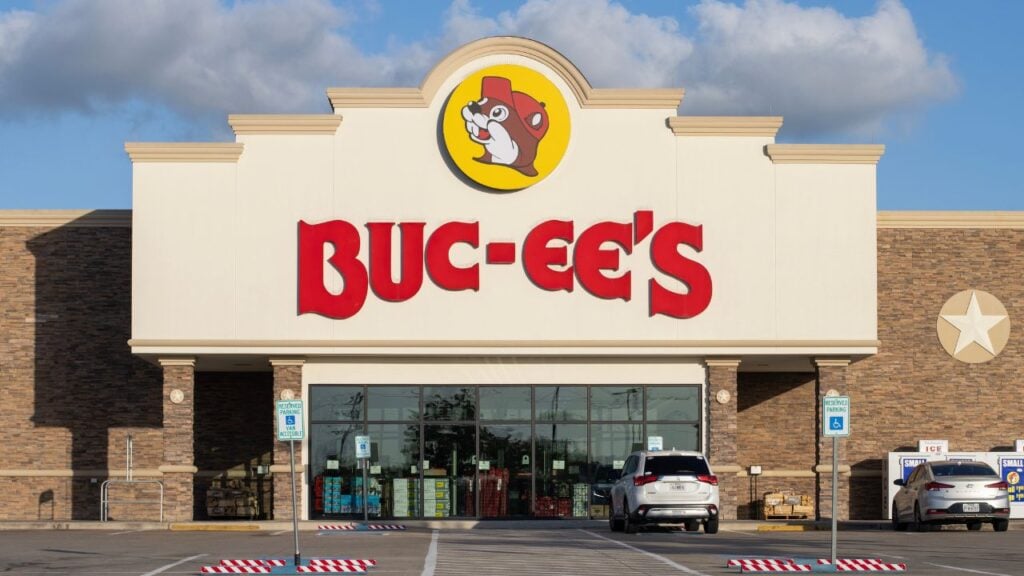
Buc-ee's calls out fresh brisket over the intercom the moment a new batch hits the board, and regulars already know exactly how the next five minutes are supposed to go.
Out-of-staters find out the hard way, usually somewhere between the beaver statue and the world's cleanest bathroom.
8 Ways Out-of-Staters Break Buc-ee's Etiquette Before They Reach the Brisket
